
Last updated November 23, 2026
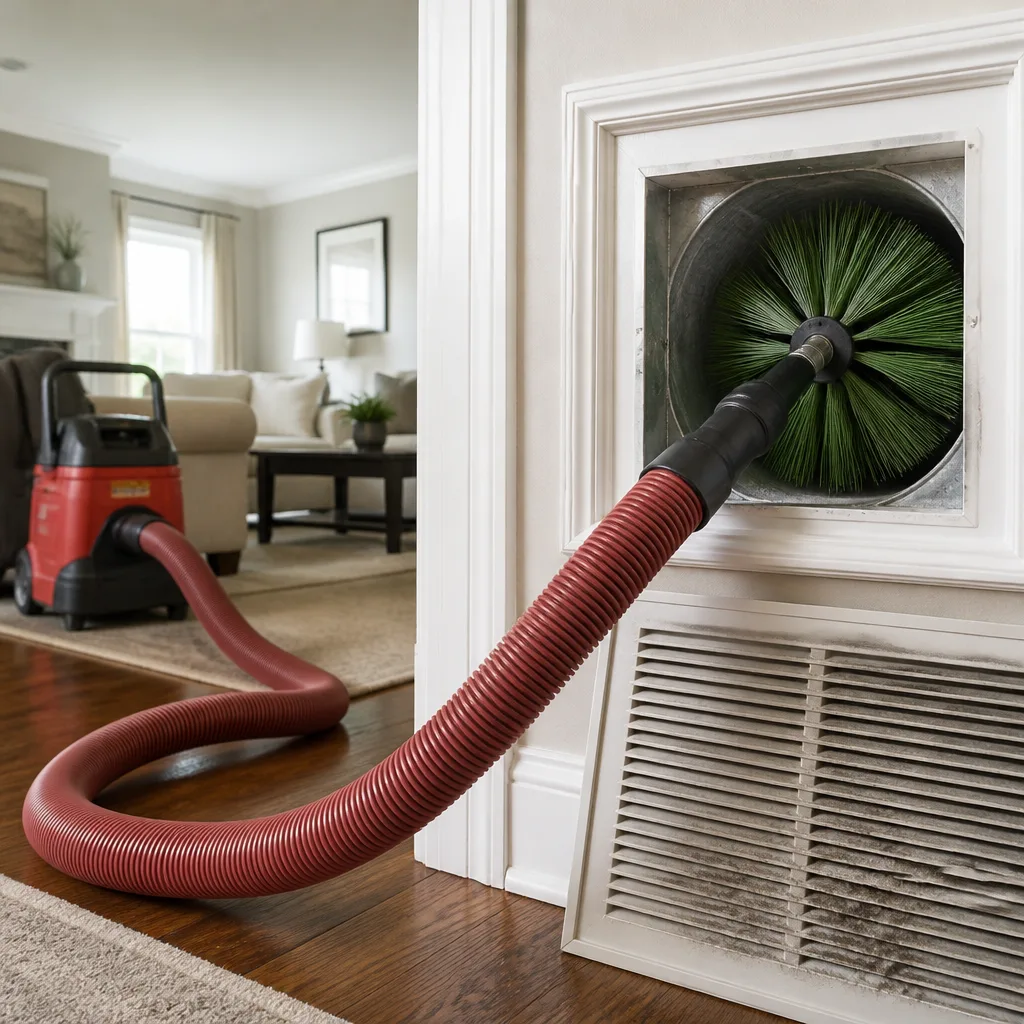 Whole-home duct cleaning
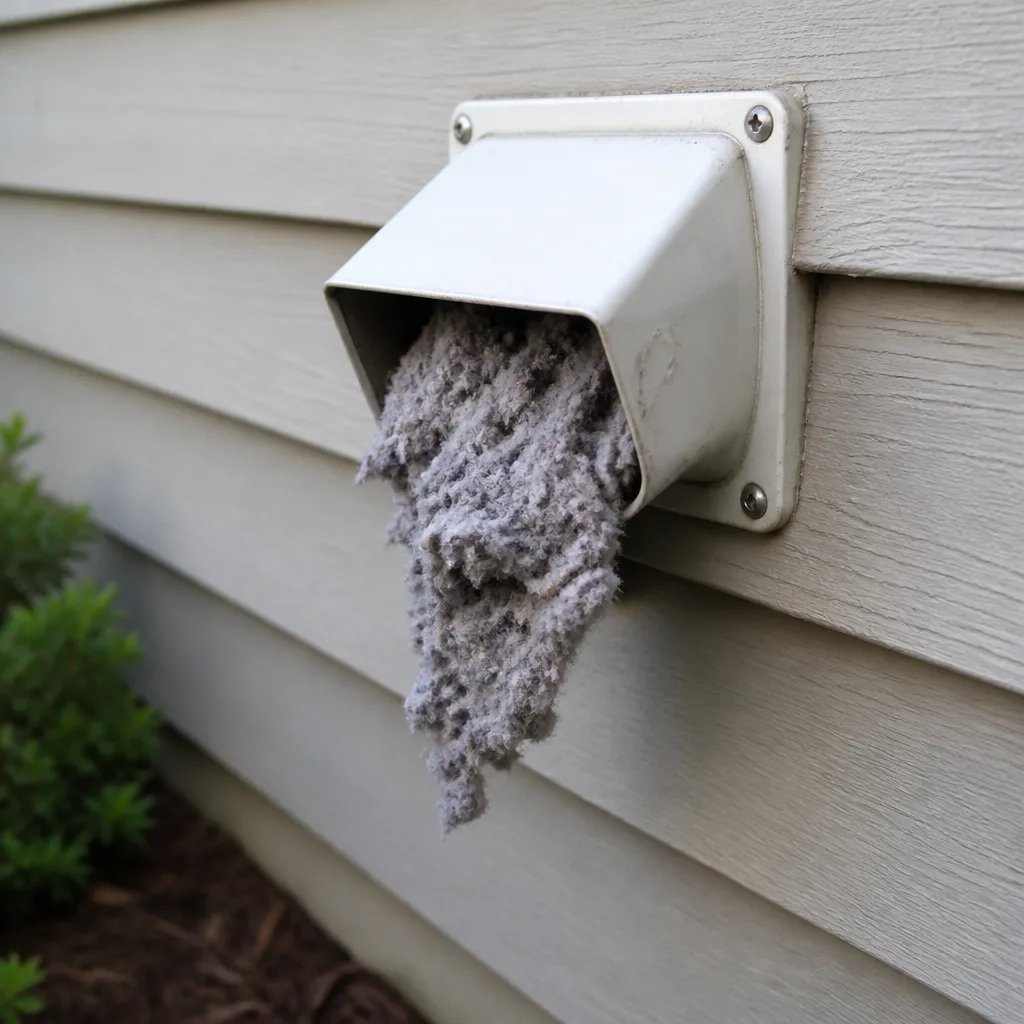 Dryer vent cleaning
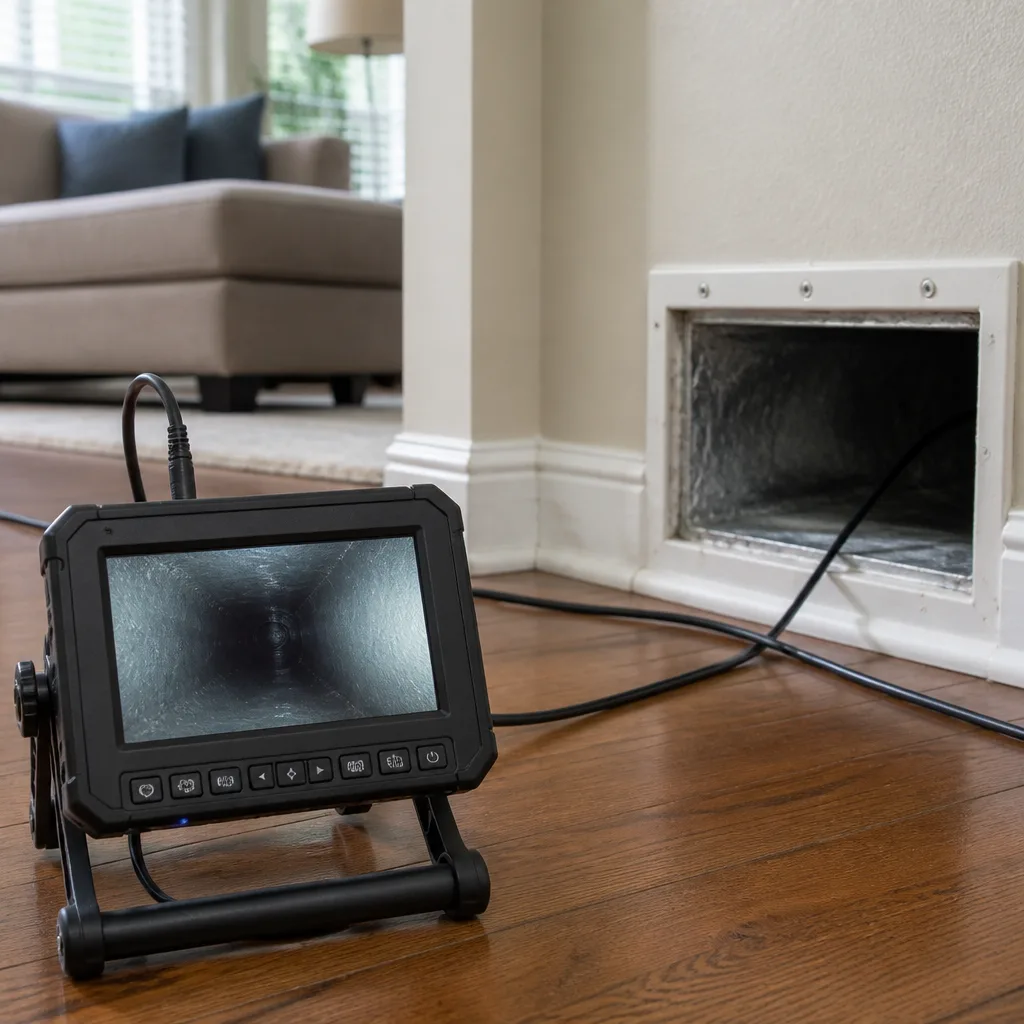 Camera inspection
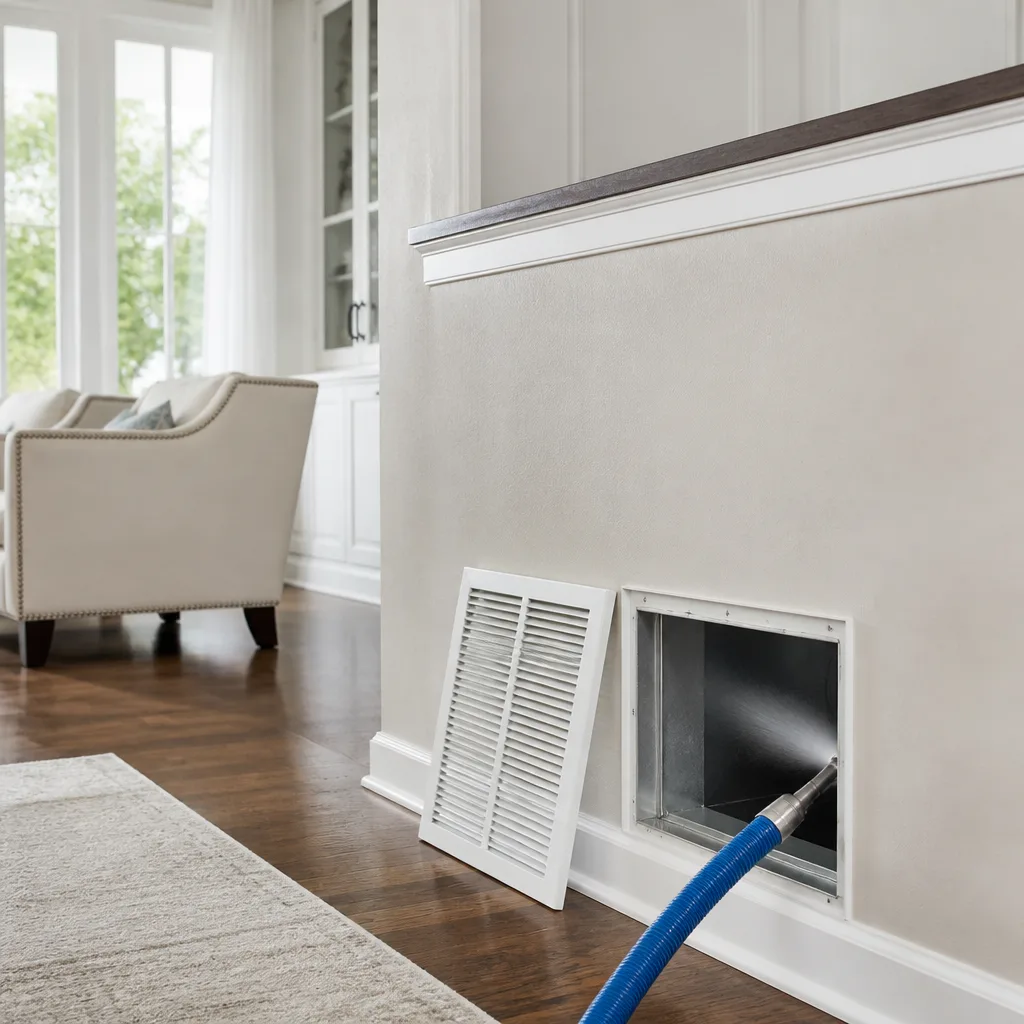 Sanitizing & deodorizing
Whole-system duct and dryer vent check with before-and-after photos - you see exactly what came out of your vents
That "$99 whole-house special" is a bait ad - the real number appears once they are in your hallway, or the "clean" is a shop-vac at the register. We photograph the inside of your ducts before and after instead.
DIY vs Professional Air Duct Cleaning: The Thornton Homeowner’s Decision Guide
Most homeowners who decide to clean their own ducts are not lazy. They are thorough, careful, and willing to spend a Saturday on their hands and knees with a shop vac. That effort almost never produces the result they expect, and the reason is not technique. It’s physics. A consumer-grade shop vac pulls roughly 1 to 2 inches of water column of suction. Professional duct cleaning equipment, the kind certified contractors run, pulls 8 to 12 inches or more. The dust packed into your trunk lines doesn’t respond to the first number no matter how hard you work. In this guide we explain what DIY duct maintenance actually accomplishes, where professional service genuinely begins, and how to build a hybrid routine that keeps Thornton homes cleaner for longer.
Quick Answer
DIY air duct cleaning can handle surface-level work at the registers, grilles, and filters, but it cannot remove debris from trunk lines because consumer equipment doesn’t generate enough negative pressure. Professional cleaning uses truck-mounted or high-powered portable equipment that creates source removal at the point of contamination. For a Thornton home with visible dust, musty odors, or a recent remodel, professional cleaning plus duct repair and sealing is the only path to a verified result.
| Factor | DIY | Professional |
|---|---|---|
| Suction power | 1-2 inches water column | 8-12 inches or more |
| Reach into trunk lines | First few feet | Full run with rotary tools |
| Containment of debris | None | Negative-air containment |
| Verification | Visual only | Before-and-after inspection |
| Repair and sealing | Not addressed | Included as separate service |
Styles & brands we work with
- Whole-home duct cleaning
- Dryer vent cleaning
- Camera inspection
- Sanitizing & deodorizing
Table of Contents
- What DIY Duct Maintenance Actually Accomplishes
- The Physics of Negative-Pressure Source Removal
- When DIY Attempts Cause Damage
- The Honest Cost Comparison
- The Hybrid Approach: What to Do Between Professional Cleanings
- Why Thornton Homes Accumulate Duct Debris
- What a Professional Duct Cleaning Visit Covers
- Signs You’ve Moved Past DIY Territory
What DIY Duct Maintenance Actually Accomplishes
Let’s be clear about what a homeowner can legitimately do. Register cleaning, filter replacement, and reachable return-grille vacuuming are all worth the effort, and none of them require special equipment. A shop vac with a brush attachment on the supply and return grilles pulls off a surprising amount of surface dust, and swapping out a loaded filter is the single highest-return maintenance task in the entire HVAC system. In a Thornton home during a windy spring, that filter is doing heavy lifting every single day.
What DIY does not do is clean the duct system. Your ductwork isn’t a hollow tube. It’s a branching network of trunk lines, run-outs, elbows, dampers, and transitions, and the dust that matters accumulates at the joints, in the low spots, and inside the flex runs buried behind drywall. A homeowner reaching in from a register can access the first few feet. Everything past that is untouched.
Here’s the honest list of what DIY does well:
- Removing visible dust from supply and return grilles
- Replacing the HVAC filter on a regular schedule
- Vacuuming the accessible inside of a return plenum once the grille is off
- Wiping dust from register covers and the floor around them
- Catching small debris near a register (pet hair, dust bunnies, construction crumbs)
And what DIY cannot do:
- Remove debris from trunk lines and run-outs beyond the first few feet
- Lift settled dust from the duct walls, which requires mechanical agitation plus strong negative pressure
- Contain what is loosened, which means some of it re-enters living space
- Identify broken joints, disconnected flex ducts, or crushed segments of ductwork
- Sanitize the interior air stream or treat microbial growth
For a small condo with a short duct run and no history of dust problems, DIY upkeep may be all you need for years. For a Thornton family with allergies, a recent renovation, or a pet shedding through the seasons, the register cleaning is the warm-up, not the job.
The Physics of Negative-Pressure Source Removal
Air duct cleaning is a source-removal job, not a polishing job. The goal isn’t to wipe every surface down. It’s to dislodge settled contaminants and trap them at the point of collection so they leave the system instead of floating into the room you’re standing in.
That requires two things working together: mechanical agitation and strong negative pressure. Agitation comes from rotary brush systems and air whips that scrape the duct walls and put settled dust back into the air stream. Negative pressure comes from a vacuum source powerful enough to overcome the resistance of an entire duct system. The two must be matched. A strong vacuum with no agitation leaves wall dust intact. Agitation with weak vacuum just blows it around.
This is where the numbers matter. A consumer shop vac generates perhaps 1 to 2 inches of water column of suction. A small dust collector bolted to a shop-style motor struggles above 4. Professional duct cleaning equipment, the kind built into a truck or a high-capacity portable unit, generates 8 to 12 inches water column or more, and it maintains that pressure across dozens of feet of hose and elbow turns. The equipment brands used by certified indoor air quality contractors exist because the numbers can’t be faked. Rotobrush builds rotary brush systems designed to work inside a live duct with the vacuum running. Nikro builds HEPA-filtered units and high-powered negative-air machines used across the trade. Abatement Technologies builds the containment equipment that keeps the working area under negative pressure so loosened debris doesn’t migrate into your living room.
That last point is worth sitting with. A homeowner scrubbing a register with a shop vac is generating positive air movement, however small, out of the register and into the room. A pro job is generating negative pressure at the register and capturing what’s loosened. The two operations look similar. They are opposites in terms of what they accomplish.
If you want a deeper walkthrough of the process a professional visit follows, our air duct cleaning page walks through the full sequence, from containment to agitation to final inspection.
When DIY Attempts Cause Damage
DIY duct cleaning isn’t just ineffective. In a handful of specific situations, it can cause problems you didn’t have before. We’ve seen all three of the following in Thornton homes, and each one is avoidable.
- Flex duct punctures. Flex duct is a plastic-and-metal-mesh tube wrapped in insulation, and it punctures easily. A shop vac wand, a stiff brush, or a rough nozzle can tear the inner liner. Once the liner is punctured, the duct leaks air into the cavity behind your drywall, and your energy bill quietly climbs while the room gets warmer. Repairs usually mean replacing the damaged section, not patching it.
- Disturbing settled contamination. If microbial growth has settled on a duct wall, a shop vac can pull it apart and launch spores into the air stream. That’s the opposite of what you want in a home with anyone who has respiratory sensitivities. Professional cleaning runs under negative pressure for exactly this reason.
- Dislodging poorly secured joints. Older Thornton homes sometimes have duct sections that were joined with a mastic seal or foil tape that has aged out. Suction applied at a register can pull a joint apart, and now a duct you didn’t know was loose is venting into a wall cavity. Not an emergency, but a repair job nobody asked for.
Add to that list the normal mechanical hazards of working around an air handler and the risk of pulling a wire or knocking a damper linkage loose while reaching above a register, and the DIY path has more downside than the effort suggests. If you’re unsure whether your system has any of these weak points, that’s exactly the question a professional inspection is built to answer.
The Honest Cost Comparison
The DIY argument usually comes down to cost, so let’s be honest about the math. DIY isn’t free. It’s just spread across different line items you may not have tallied.
A realistic consumer-grade setup includes a shop vac with a HEPA filter cartridge, a brush kit, a flexible wand extension, gloves, and a respirator. Filters need periodic replacement. Some homeowners rent a carpet-style vacuum with a long hose, which adds rental cost and still doesn’t hit professional suction numbers. Then there’s the time: a homeowner who works carefully through a whole-house duct system is looking at most of a day, and the result is still register-level.
A professional cleaning is priced per system, not per vent and not per hour. The range varies with the number of registers, the layout of the home, and whether duct repair and sealing are part of the visit. Typical Thornton-area professional duct cleaning estimates land in a mid-hundreds range for a standard single-system home, with the exact number set by a written estimate after a walkthrough. When you add duct repair and sealing or air sanitizing, the range moves up, and the result is a sealed, clean, verified system instead of a partially-cleaned one.
| Line item | DIY estimate | Professional estimate |
|---|---|---|
| Equipment | Shop vac + filter + brush kit | Included in service |
| Rental (optional) | Carpet/extractor unit adds cost | Not applicable |
| Time | Most of a day, register-level result | A single scheduled visit |
| Repair and sealing | Not addressed | Available as added service |
| Verification | Visual only | Before-and-after documentation |
| Result | Surface clean | Full source removal |
Which is cheaper depends entirely on what you’re trying to accomplish. For light upkeep between professional visits, DIY wins handily. For a system that’s never been cleaned or one recovering from a renovation, the professional job is the only one that delivers what the homeowner was actually after.
The Hybrid Approach: What to Do Between Professional Cleanings
The most sensible plan for most Thornton homeowners isn’t DIY or professional. It’s both, on a schedule that respects what each one can do. Here’s a routine that extends the interval between professional cleanings and keeps the system from drifting back into problem territory.
- Change the HVAC filter on the right schedule. Check it monthly, replace it when the media is loaded. A loaded filter is the cheapest duct contamination you’ll ever prevent. In Thornton’s dusty spring, monthly checks during April and May are worth the habit.
- Vacuum the grilles every couple of months. A shop vac with a soft brush attachment on the supply and return grilles catches surface dust before it settles deeper into the run-outs.
- Keep return plenums clear. Don’t store boxes or furniture tight against return grilles. Airflow restriction pushes the system toward longer runtimes and more dust settling.
- Watch for the first signs of a problem. A musty smell when the AC kicks on, dust settling quickly on horizontal surfaces, or a room that stays warm are all signals to look closer.
- Schedule professional cleaning on a realistic interval. Some homes need it every three to five years, others go longer, and homes with pets or recent renovations move to the front of the line. Duct repair and sealing is a one-time job that keeps paying back for years.
That last item matters more than most homeowners realize. Clean ducts are step one. Sealed, repaired ducts are the finish line. A system that leaks at joints and transitions stays contaminated no matter how well the ducts were cleaned. Our HVAC cleaning service is often scheduled alongside duct work for exactly that reason: cleaning without sealing just resets the clock, and sealing without cleaning traps the contamination behind a closed door. If your dryer is one of the paths where lint builds up (an entirely different system with its own risks), that’s covered in our dryer vent cleaning page.
Why Thornton Homes Accumulate Duct Debris
Thornton isn’t a coastal town, and there’s no salt air eating away at the system. What we do have is a specific combination of conditions that push duct contamination faster than you’d expect.
Start with the wind. The Front Range gets spring and winter wind events that push fine dust through every gap a house has, and a system with a return plenum near grade can pull that dust in faster than a well-sealed return should. Add the dry air that defines the region for much of the year, and you get static buildup that pulls fine particles onto duct walls where they stick and stay.
Then add construction dust. Thornton has seen steady residential growth, and any home that’s had a remodel, an addition, or even a bathroom renovation has drywall dust that finds its way into the return. It settles in the trunk lines and sits there until it’s agitated, which is why we hear from so many homeowners shortly after a project wraps up.
Then there’s HVAC runtime. Hot summers and cold winters mean the fan runs a lot, and every hour the fan runs is another hour dust settles in the system. In a neighborhood off 120th or further east near the newer builds, homes with a single-zone system work the fan harder than they realize.
None of this means duct cleaning is urgent for every Thornton home. It means the question “how often do I actually need this?” has a different answer here than it would in a temperate coastal city. For a Boulder County or Adams County neighbor with a similar climate, the same forces apply, which is why the professionals we work with approach duct work as an indoor-air-quality problem rather than a one-time vacuum job.
What a Professional Duct Cleaning Visit Covers
A professional visit is not a bigger shop vac. It’s a sequence, and the sequence is what makes the result verifiable. Here’s what a properly run visit looks like in a Thornton home.
- Walkthrough and inspection. Before any equipment runs, the technician inspects the system: register count, duct layout, visible condition, and any signs of mold, pest activity, or disconnected joints.
- Containment setup. Negative-air containment goes up around the equipment and the working areas. Abatement Technologies equipment is standard for this. The goal is that loosened debris leaves the system, not the room.
- Rotary agitation and source removal. Rotobrush and Nikro systems run a rotary brush and high-pressure air through the duct runs while the vacuum captures what’s loosened. This is where trunk lines and run-outs actually get cleaned.
- Air handler and coil area cleaning. The blower compartment and coil area collect dust too, and a full visit usually includes them.
- Duct repair and sealing. Anything flagged in the walkthrough is addressed: loose joints, disconnected flex runs, punctured sections. Sealing is what makes the cleaning last.
- Sanitizing where appropriate. Guardsman-grade products are used when microbial activity or odor calls for treatment. Not every visit needs this, and a good technician will tell you when it does.
- Before-and-after documentation. Photos prove the work actually happened. Any professional you hire should be able to show you the difference.
A full-scope indoor-air-quality specialist can also recommend and install whole-home products when they’re the right fit, using brands like Honeywell and Aprilaire for filtration and humidity control. That’s the difference between a duct cleaner and a partner in the home’s air quality. If you want to see how we handle the whole system, our Thornton Air Duct Cleaning home page is the place to start.
Signs You’ve Moved Past DIY Territory
Register cleaning and filter changes will carry you a long way. These signals mean it’s time to bring in trained hands.
- Dust returns within days of cleaning. If horizontal surfaces in a room are dusty again within a week of wiping them down, the source is upstream, not the surface.
- A musty or stale smell from the registers. Odor is often the first sign of microbial growth or trapped moisture, and it’s the one thing a shop vac should never try to handle on its own.
- A recent remodel or renovation. Drywall dust in the return is common and best addressed before it moves deeper into the system.
- Visible debris at the registers. If you can see it at the grille, it’s likely sitting in the first few feet of every run-out too.
- Persistent allergy symptoms that ease when you leave the house. A useful clue that the home is contributing, though obviously any health question deserves a doctor’s input.
- A home inspection flagged the ducts. Anything from pest evidence to poorly sealed joints is worth a professional look before closing.
- The system has never been cleaned. A single professional cleaning establishes a baseline you can then maintain with the DIY routine above.
Common Mistakes to Avoid
- Assuming a stronger shop vac solves the problem. Suction is not the only factor; you also need containment, agitation, and reach. Upgrading the vacuum at home still leaves the trunk lines untouched.
- Cleaning ducts during active renovations. Drywall dust keeps settling for days after the crew leaves. Cleaning during the project means cleaning again afterward. Wait until the dust has settled, literally.
- Ignoring visible mold or musty odor and cleaning anyway. Agitating contamination without containment spreads it. This is the wrong time to DIY. Call a professional.
- Skipping duct repair and sealing after a cleaning. A leaky system pulls new dust in from day one. Cleaning without sealing resets the clock to zero but doesn’t stop it.
- Hiring on price alone. A coupon price with a surprise invoice is the industry’s oldest trick. Ask what’s included and what isn’t, and get one flat price per system in writing before work starts.
- Forgetting the filter. The single most common cause of early duct contamination in a Thornton home is a filter that was never changed. Everything else is downstream of that.
- Never asking to see proof. Before-and-after photos of your own system are the only real verification that the work happened. Any professional should show them without being asked.
See the difference
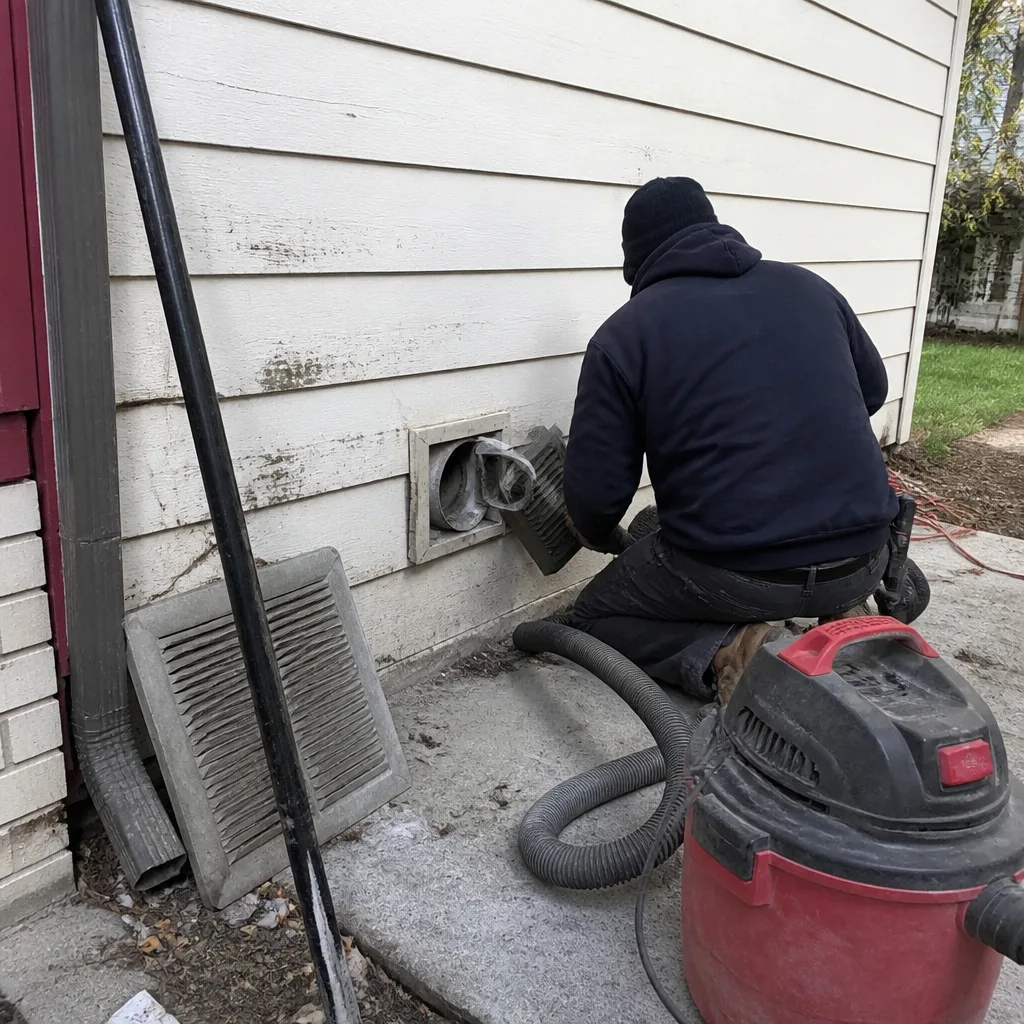 Before
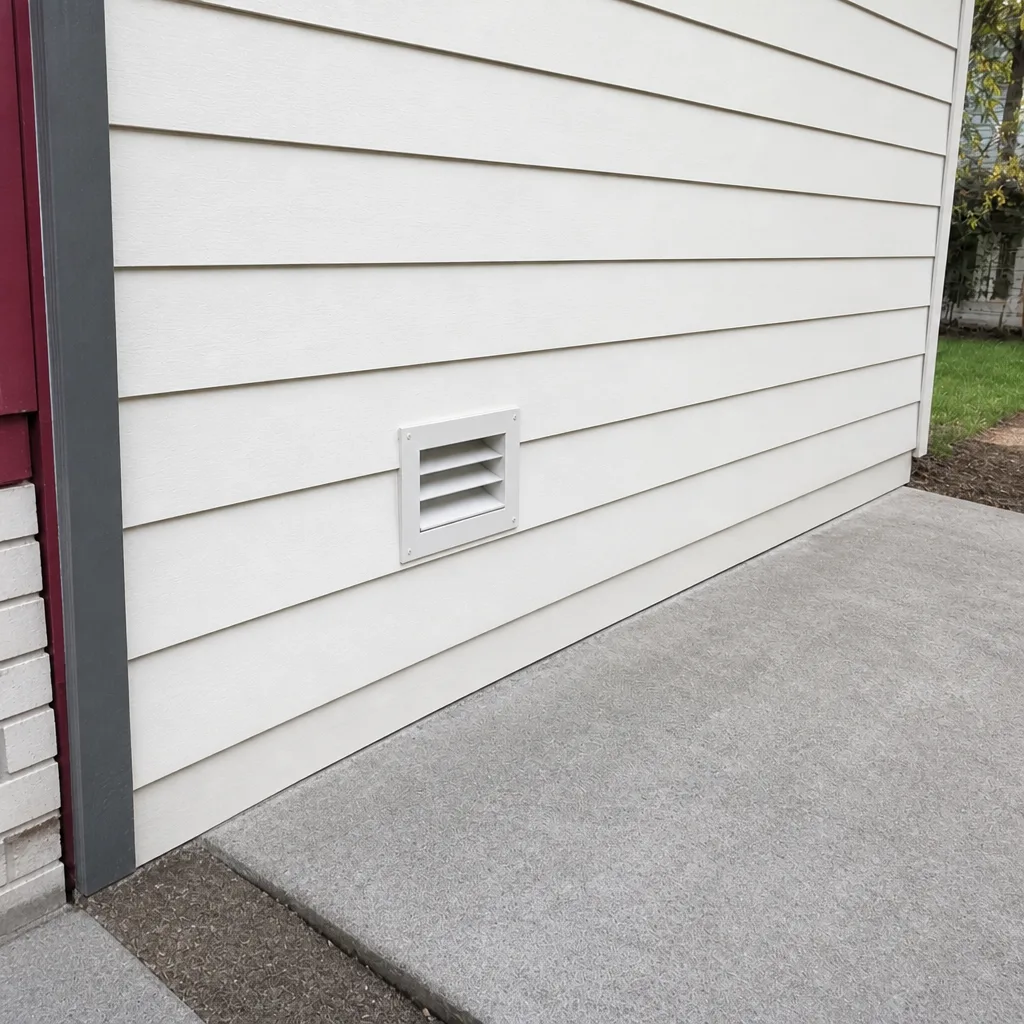 After
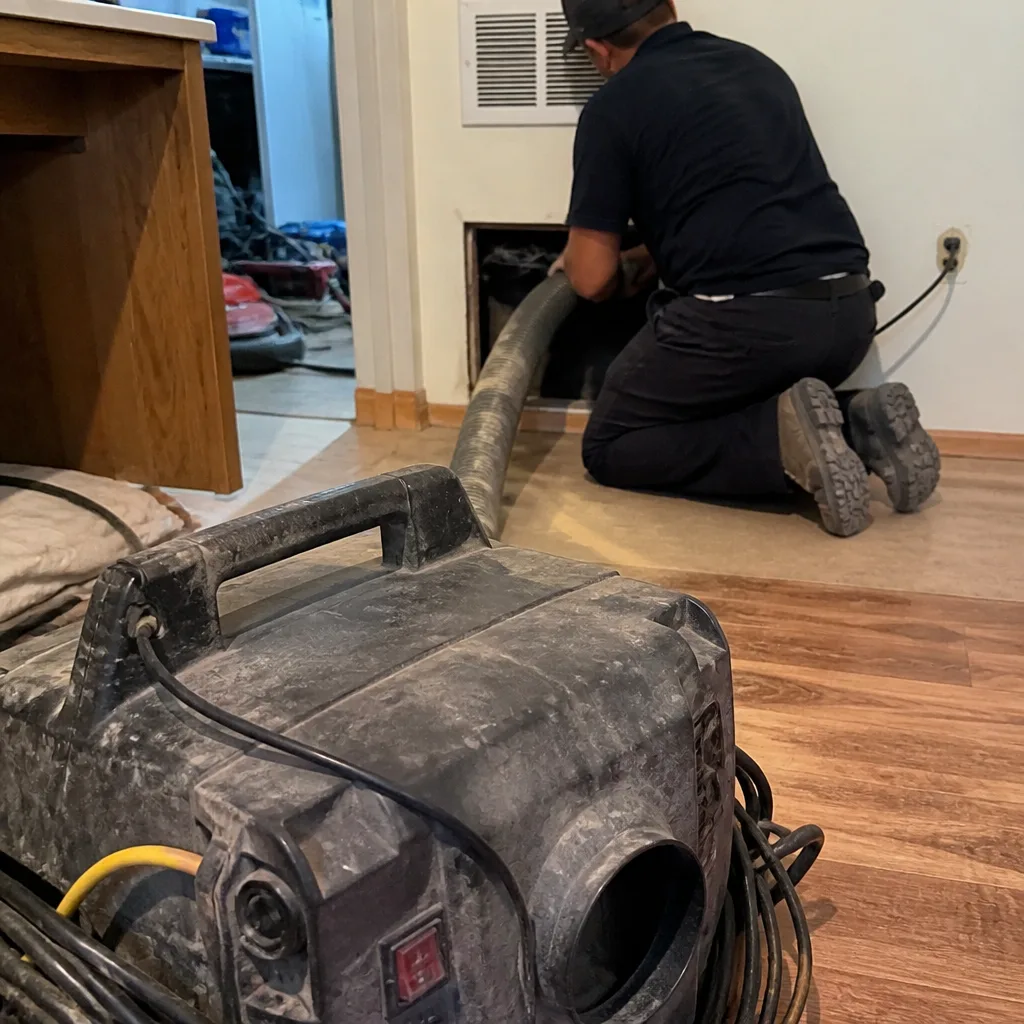 Before
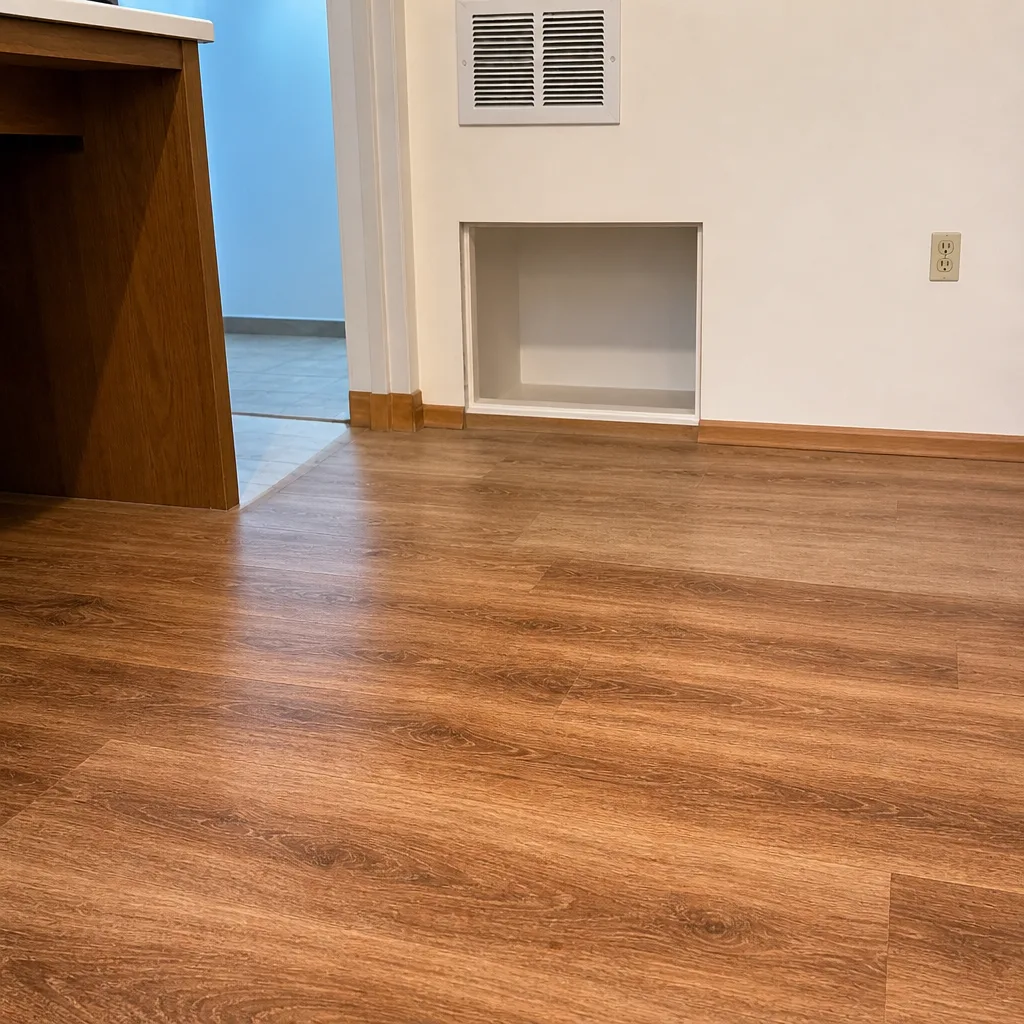 After
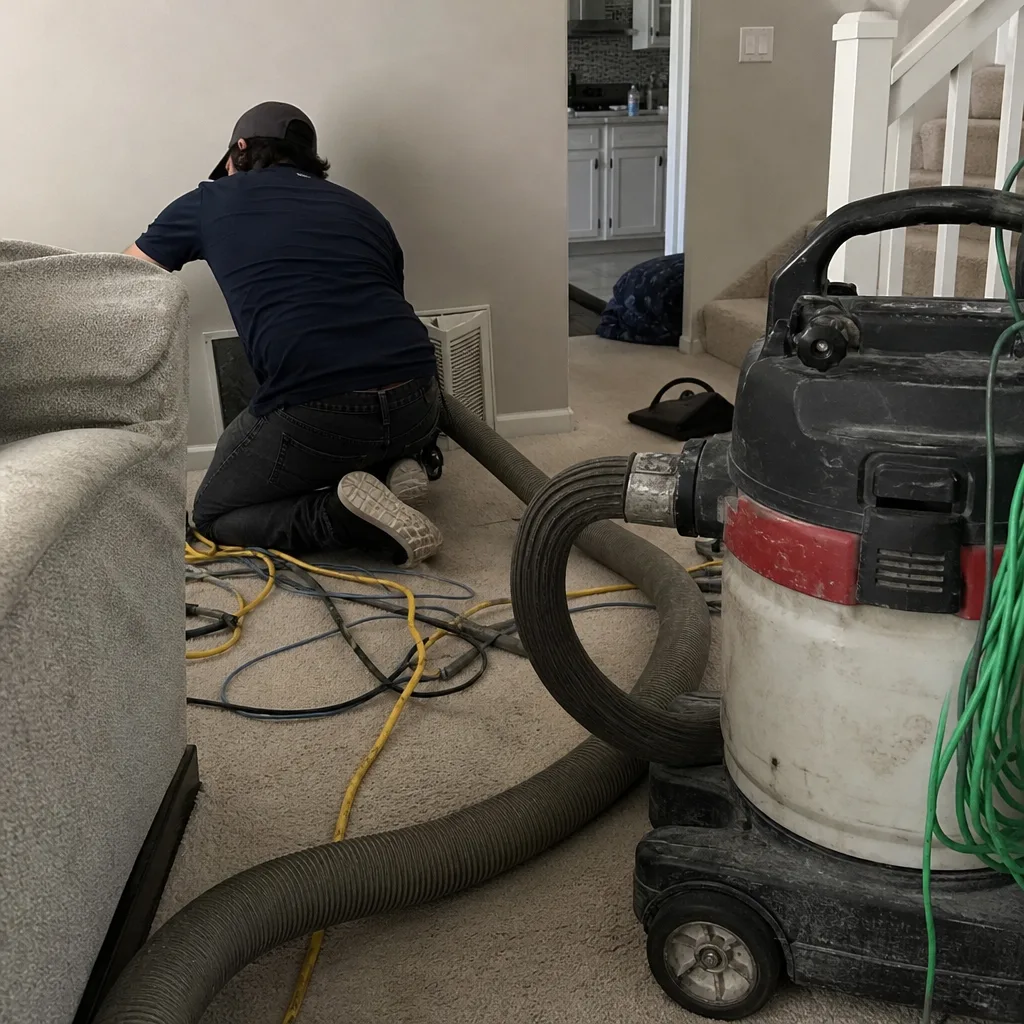 Before
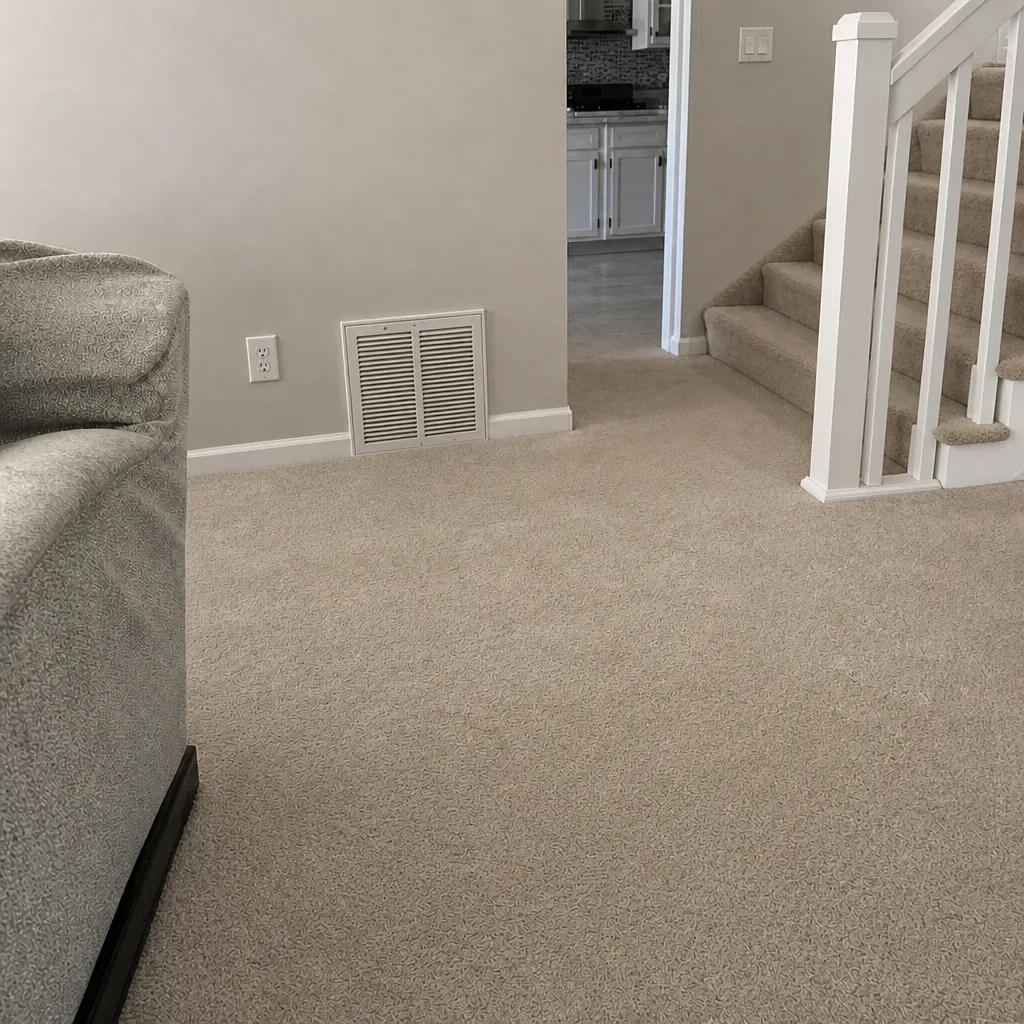 After
When to Call a Professional
Call a professional when the question shifts from “how do I keep up” to “what’s actually wrong with my system.” That means visible mold, a persistent musty smell, a recent renovation, an inspection finding, unexplained dust that comes back within days, or a system that’s never been cleaned and is heading into its first full cycle. For those cases a trained technician with the right equipment will give you a result you can verify. Thornton Air Duct Cleaning offers free estimates in Thornton. Call (866) 947-8149. We answer 24/7. Fast dispatch from 7am to 7pm, Sunday through Friday, and we’re closed on Saturday.
Frequently Asked Questions
You can clean the registers, grilles, and the first foot or two of duct accessible from a register with a shop vac, and that’s worth doing. You cannot clean trunk lines or run-outs with a shop vac because it can’t generate the negative pressure needed to lift settled debris from duct walls and capture it. A consumer unit pulls 1 to 2 inches of water column; professional equipment pulls 8 to 12 or more. Call (866) 947-8149 for an exact quote on full-system cleaning.
A professional cleaning in the Thornton area typically lands in the mid-hundreds range for a standard single-system home, and the exact figure depends on register count, system layout, and whether duct repair and sealing are included. The written estimate sets the final price, and one flat price per system is standard for a properly run business. Call (866) 947-8149 for a free estimate.
Because cheap quotes often cover a different job: a quick pass at the registers with consumer-grade equipment, no containment, no source removal, and frequently a surprise invoice once the technician is on site. The honest comparison isn’t the coupon number vs. the pro number, it’s the finished work. Ask one flat price per system, in writing, with before-and-after photos of your own ducts. Call (866) 947-8149 for an estimate you can trust.
The only reliable way is documentation: before-and-after photos of your own ductwork, taken during the visit, tied to what the estimate said would be completed. You should also see containment in place during the job, not just equipment on the truck. If a company can’t show you the work, assume it wasn’t done. Call (866) 947-8149 for a visit that comes with proof.
Most Thornton homes need professional duct cleaning every three to five years, with the interval shortening for homes with pets, recent renovations, allergy sensitivities, or a system that’s never been cleaned. A filter change routine between visits extends the interval and reduces total cost. If you’re unsure whether you’re due, that’s a good reason to call (866) 947-8149 for an estimate.
Cleaner ducts remove a reservoir of dust and settled contamination that would otherwise be reintroduced into the air stream during heating and cooling season, which many people with sensitivities notice as an improvement in symptoms. We don’t make medical claims, and anyone with a health condition should consult their doctor. For a system with visible dust or odor, a professional cleaning plus duct sealing produces a measurable improvement in overall dust levels in the home. Call (866) 947-8149 to schedule an inspection.
The Bottom Line
The DIY vs. professional question isn’t really about effort. It’s about equipment physics and the difference between a surface wipe and source removal. DIY duct maintenance is worth doing and worth doing well, on a schedule that includes filters, grilles, and accessible returns. But when the question is dust that comes back in days, musty odor, a recent renovation, or a system that’s never been cleaned, no amount of careful work with a shop vac will match what professional equipment accomplishes. The most cost-effective routine for a Thornton home is both: a professional cleaning and sealing as the baseline, with a DIY upkeep routine between visits. If you want a walkthrough of your own system and a written estimate before any work starts, we’re glad to help.
Our technicians have up to 14 years of experience, and we run the professional Rotobrush and Nikro equipment, plus Abatement Technologies containment and Guardsman sanitizing when the job calls for it. We service the full system: air duct cleaning, dryer vent cleaning, HVAC cleaning, duct repair and sealing, and air quality and sanitizing, with Honeywell and Aprilaire products available when a whole-home solution makes sense.
Call (866) 947-8149 for a free estimate on your Thornton home. We answer 24/7. Fast dispatch from 7am to 7pm, Sunday through Friday. Closures on Saturday; if a duct issue comes up over the weekend, call and we’ll book you into the next opening.
Written by the team at Thornton Air Duct Cleaning.