
Last updated November 23, 2026
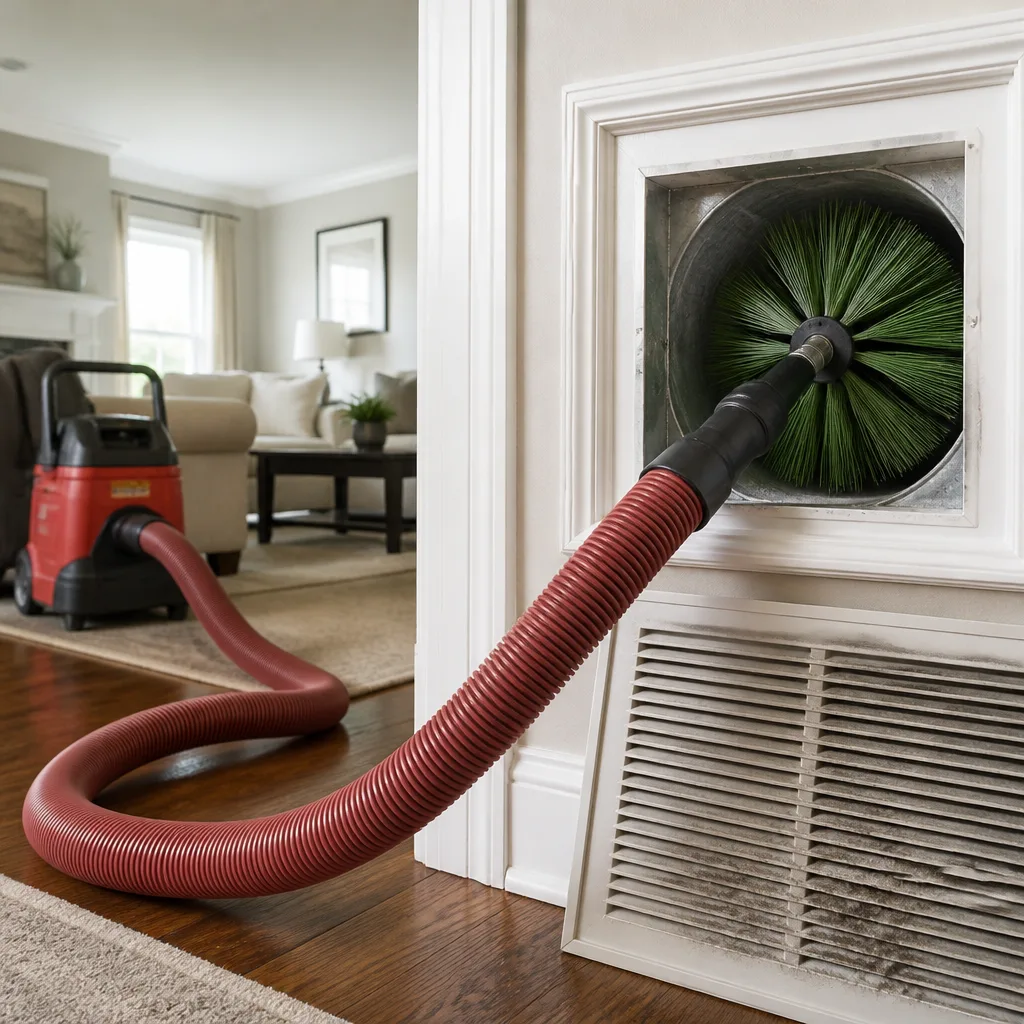 Whole-home duct cleaning
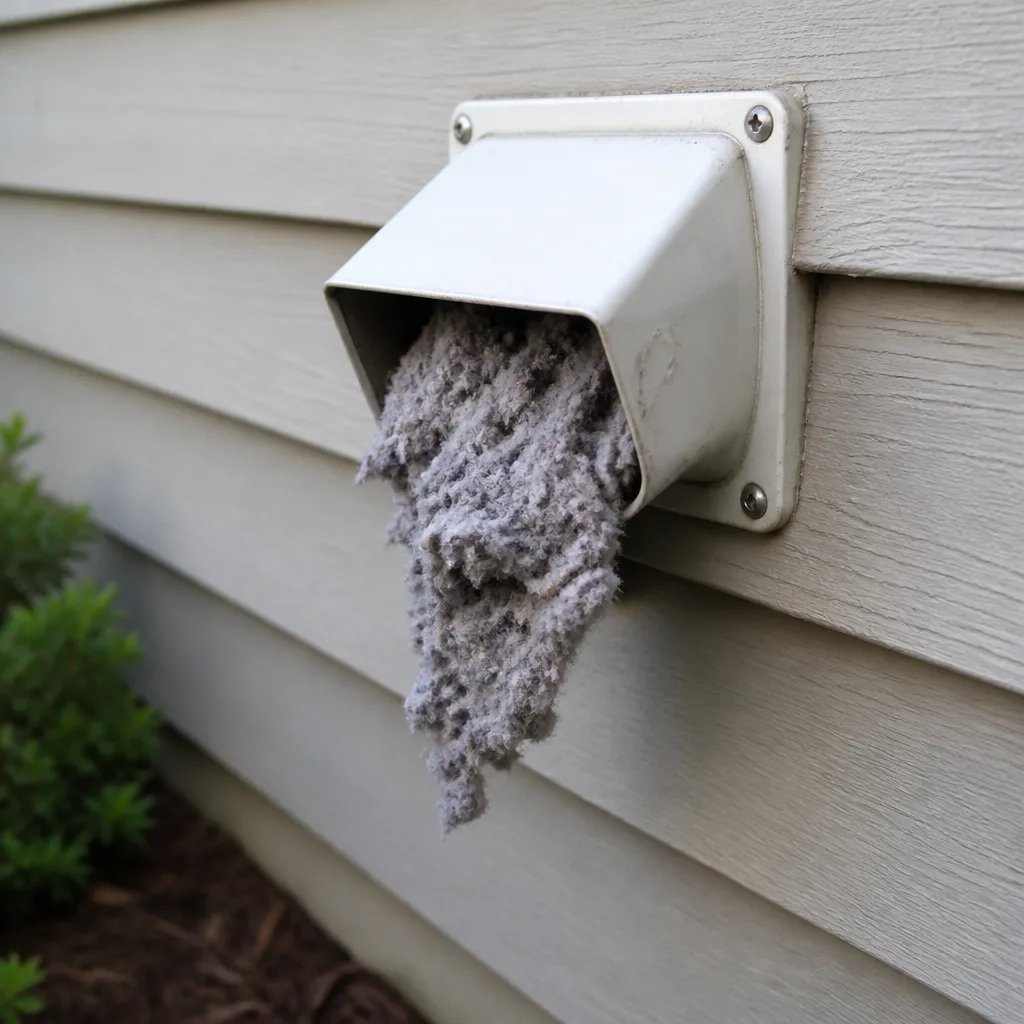 Dryer vent cleaning
 Camera inspection
 Sanitizing & deodorizing
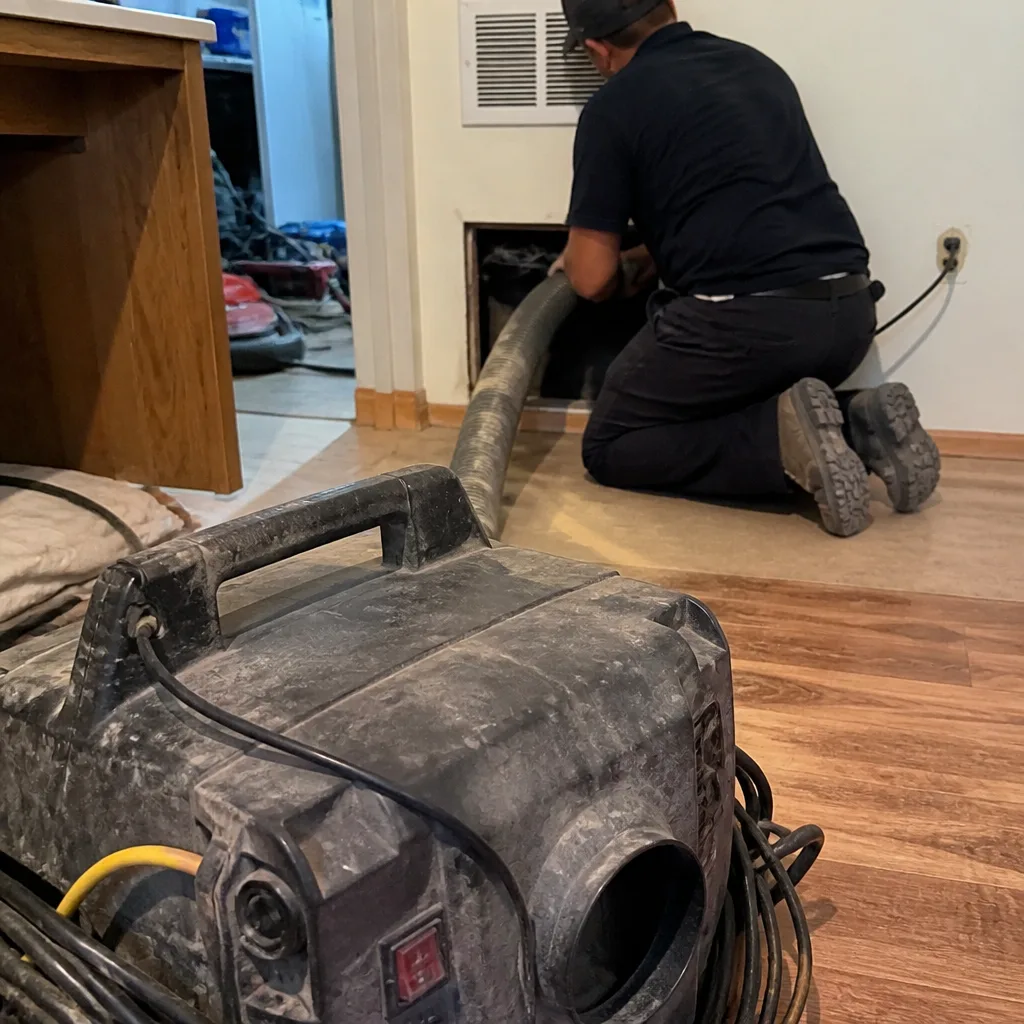
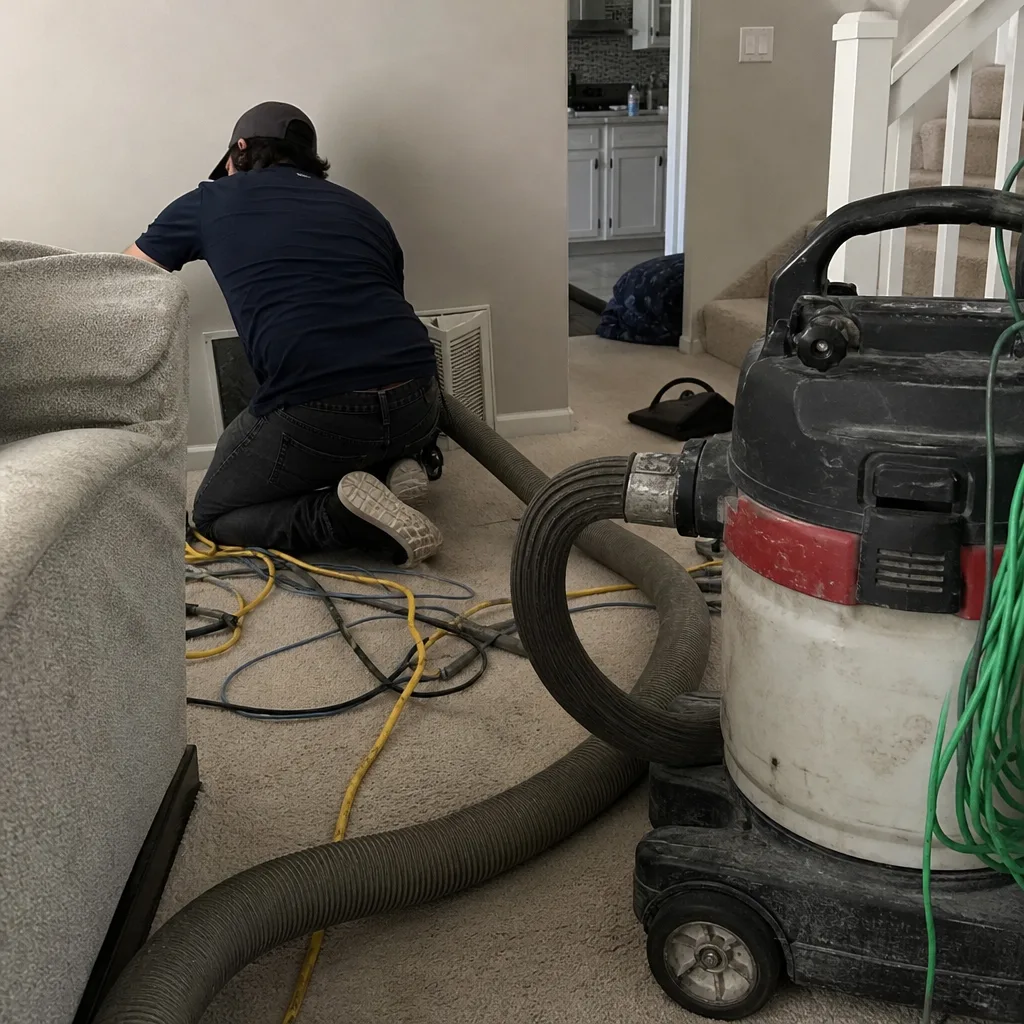
Whole-system duct and dryer vent check with before-and-after photos - you see exactly what came out of your vents
That "$99 whole-house special" is a bait ad - the real number appears once they are in your hallway, or the "clean" is a shop-vac at the register. We photograph the inside of your ducts before and after instead.
Seasonal Air Duct Cleaning Care for Thornton: Year-Round Homeowner’s Guide
Most duct cleaning advice you’ll find online was written for a national average that doesn’t exist. It assumes mild winters, moderate pollen, and steady humidity. Thornton doesn’t get any of that. This city sits on the Front Range, where spring wind drives particulate into every gap it can find, summer pollen loads the return side of your system, fall brings wildfire smoke from well beyond the metro, and winter air is dry enough to change how dust behaves inside your ducts. A fixed annual cleaning schedule ignores all of it. What follows maps the actual work to Thornton’s seasonal calendar, so you know what to check, when to check it, and when cleaning beats filtration. Keep reading and you’ll have a twelve-month plan built for a Thornton address.
Styles & brands we work with
- Whole-home duct cleaning
- Dryer vent cleaning
- Camera inspection
- Sanitizing & deodorizing
Quick Answer
Air duct care in Thornton should follow the Front Range climate calendar, not a generic once-a-year schedule. That means assessing filters and registers after the March to May wind season, checking the cooling coil and drain pan before summer, running higher-MERV filtration through wildfire smoke season in late summer and fall, and watching for static-driven dust adhesion during the dry winter months. Cleaning earns its place when contamination has actually accumulated, not on a calendar date alone.
Table of Contents
- Why Thornton’s Climate Changes Your Duct Schedule
- Spring: Post-Wind-Season Filter and Register Assessment
- Summer: Pre-Cooling-Season Coil and Drain Pan Check
- Fall: Wildfire Smoke Protocol and Filtration Decisions
- Winter: Dry Air, Static, and Dust Adhesion
- Building a 12-Month Air Quality Calendar for Your Thornton Home
- Cleaning vs. Filter Replacement: Knowing Which One You Need
- Duct Repair and Sealing: The Step Most Guides Skip
- Common Mistakes to Avoid
- When to Call a Professional
- Frequently Asked Questions
- The Bottom Line
Why Thornton’s Climate Changes Your Duct Schedule
Thornton sits where the plains meet the foothills, and that position does something specific to the air your system pulls in. Wind coming off the mountains accelerates as it drops, lifting loose soil, pollen, and street grit across the northern metro. Homes here breathe a different particulate load than homes in humid climates, and the load changes sharply month to month.
Three things about this city matter more than any national average:
- Wind-driven particulate. Spring on the Front Range is genuinely windy, and the fine material that moves with it is small enough to pass standard filters and settle inside the duct run rather than in the filter slot.
- Low winter humidity. Dry air raises static charge on duct surfaces, and charged surfaces hold dust more stubbornly than neutral ones. That changes what a cleaning actually has to remove.
- Wildfire smoke drift. Smoke from fires across the state and beyond reaches Thornton in late summer and fall, and fine smoke particles ride the same return air your system moves all day.
Add the region’s wide day-to-night temperature swing and you get a duct system that expands, contracts, and cycles far more than a coastal system does. That cycling works seams and joints loose over time, and loose seams leak conditioned air into unconditioned space. This is exactly why our service menu pairs air duct cleaning with repair and sealing rather than treating contamination as the whole story. Cleaning is step one. Sealed ducts are the finish line.
Thornton neighborhoods built across different decades also carry different duct realities. Older homes in the established parts of the city more often have rigid metal trunk lines with original seams, while newer construction around the northern edges of Thornton tends toward flex duct runs that can sag or kink. Each type collects and releases debris differently, and a professional assessment reads that before any equipment comes inside.
Spring: Post-Wind-Season Filter and Register Assessment
The single most useful thing a Thornton homeowner can do each spring is a full filter and register assessment in April or May, once the wind season settles. A spring filter change alone misses the point. What you’re checking is where the material actually landed.
Here’s the sequence we recommend:
- Pull the filter and look at the downstream face. A filter that’s dirty on the intake side is doing its job. Material clinging to the clean side means it’s bypassing the filter frame entirely, and that’s a fit problem, not a filter problem.
- Check the filter slot dimensions. Gaps around the filter edge let unfiltered air around the media. If you can see daylight past the frame, particulate is getting past it too.
- Open a sample of registers and return grilles. Look at the boot and the first stretch of duct behind the grille. Visible dust buildup on the duct walls past the boot is a sign the run has accumulated more than the filter caught.
- Wipe the top of the return grille louvers. A heavy film after a wind season tells you the return side is doing more work than it should.
- Note the date and the filter’s MERV rating. Write it down. Next spring you’ll want to compare.
Spring is also the right window for HVAC cleaning, before the cooling season starts and while the system is still in a low-demand stretch. If a full system cleaning is on your list for the year, doing it in spring means the coil and blower start the cooling season clean rather than collecting through it.
One caution about spring assessments: don’t read a dirty register as proof you need a full duct cleaning. A single heavy register behind a piece of furniture that blocks airflow is common and often local. The assessment tells you the scale. Clean ducts are step one. Making sure the whole run is protected is the point.
Summer: Pre-Cooling-Season Coil and Drain Pan Check
Before the first hot stretch in Thornton, the cooling coil and drain pan deserve a real look. This is the part of the system most often skipped, and it’s where summer air quality problems start. By June, high pollen periods have pushed material into the return side of most systems, and a coil that’s already coated can’t dry it out of the airstream.
The check involves three components:
- The evaporator coil. A coil fouled with pollen and dust loses its ability to shed condensate, and a wet, dirty coil is where musty odor begins. The coil is inside the air handler and not a homeowner-safe component to open, so this part of the check belongs to a technician.
- The condensate drain pan and line. Standing water in a pan that doesn’t drain will grow biological matter, and that material becomes airborne the moment the fan runs. The pan should be dry between cycles and the line clear.
- The blower wheel. Pollen-fouled blower blades throw airflow off balance and move less air than they should. Less air means longer run times and more of the dust in the system staying there.
This is where professional equipment earns its keep. Consumer shop vacuums and improvised brush kits don’t reach the coil face cleanly, and they don’t contain what they loosen. Our technicians work with Rotobrush and Nikro systems, the same class of equipment certified HVAC and IAQ contractors specify, because a coil and blower detail is a mechanical job, not a surface wipe.
Summer is also a good time to check whether a whole-home filtration upgrade makes sense. We carry and install Honeywell and Aprilaire air quality products, and a properly sized filter cabinet at the return usually does more for summer pollen than a higher-MERV filter stuffed into an undersized slot. Our technicians have up to 14 years of experience reading exactly that question: what your system can handle versus what it needs.
Fall: Wildfire Smoke Protocol and Filtration Decisions
Fall on the Front Range means wildfire smoke season, and smoke particles are small enough that no standard duct filter catches them all. What fall really asks you to decide is this: is your system moving smoke through a clean duct network or a loaded one. A clean, sealed duct system with good filtration at the return gives smoke less surface to cling to and less chance to re-release.
Our fall guidance breaks into two tracks.
When to run higher-MERV filtration
- When smoke is visibly present in the air and your HVAC fan runs continuously through the day
- When you or anyone in the home has respiratory sensitivity, or when you’ve just finished a renovation
- When the existing filter slot can accept a higher-MERV media without choking airflow; an undersized slot can’t, and forcing it costs you system efficiency
When to call for a cleaning instead of just changing the filter
- When a fresh filter doesn’t change a musty or smoky smell at the registers
- When several registers across different rooms show dust film at the same time
- When the last cleaning predates a major renovation, remodelling project, or visible smoke event
- When registers are discolored at the boot, not just at the face
The distinction matters because a filter sits downstream of contamination, not upstream of it. Changing a filter over a loaded duct run protects the filter from nothing; the contamination stays put and keeps cycling. Fall is also when we run air quality and sanitizing work, using Abatement Technologies containment protocols and Guardsman-grade products, because removing what’s settled is what actually changes the air you breathe. Breathable results, not just cleaner ducts.
Don’t forget the dryer vent cleaning side of fall maintenance. Smoke season tends to focus attention on the HVAC system, and the dryer vent quietly accumulates lint through the same months. It’s a separate line, and it’s one of the five services we handle as a single accountable specialist.
Winter: Dry Air, Static, and Dust Adhesion
Colorado’s winter air is dry, and dry air changes physics inside your ducts. Low humidity raises surface charge, and a charged duct wall holds onto dust that would otherwise stay suspended and get caught by the filter. What that means practically is simple: dust that sticks in winter doesn’t come loose on its own. It waits for a professional cleaning to remove it.
A few winter realities worth planning around:
- Static attraction concentrates dust on the first several feet of each run. That’s why a winter dust film often looks heaviest closest to the register.
- Dry air and winter furnace run times combine. Longer furnace cycles move more dry air through the same duct network, which accelerates adhesion.
- Interior humidity drops, seal seams dry and shrink. Small leaks open slightly in winter and close again in summer, which is one reason winter energy bills often look worse than they need to.
- Static in flex duct runs can pull the liner loose over time. A sagging or detached inner liner restricts airflow and traps debris where cleaning can’t reach it.
Winter is the worst season to attempt a DIY cleaning project, and the reason is less about the ducts and more about the systems around them. The furnace heat exchanger and combustion pathway sit on the same air handler, and getting into them without training can create a safety problem that didn’t exist before. That’s a technician call. Our team schedules winter work without any premium on the estimate: the price is set per job by the written estimate, and nothing about the season changes the written number.
Winter is also the best season to plan a spring cleaning. A Thornton home that wants its duct network clean before the wind season starts has to book the work in winter or early spring, and the assessment that tells you whether it’s needed is done in the cooler months when the system’s easier to open safely.
Building a 12-Month Air Quality Calendar for Your Thornton Home
A calendar built for a specific Thornton address is different from a generic one because it starts with your house, not a template. Here’s the structure we walk homeowners through.
- Note the age and duct type of your home. Rigid metal trunk lines and flex duct runs need different attention, and the age of the house tells you roughly which you have.
- Record your filter size, current MERV rating, and change intervals. Include the slot dimensions, not just the nominal filter size.
- List every register and return in the home. Note the ones behind furniture, in closets, or in rooms that always feel dusty.
- Mark the month of your last professional cleaning and the month of your last dryer vent cleaning separately. They run on different clocks.
- Note any renovation or smoke event in the past two years. Both reset the clock on cleaning more than time does.
- Anchor the calendar to the seasons above: spring assessment, summer coil and drain check, fall smoke protocol, winter static awareness.
- Review the whole calendar each January. Anything that’s changed in the home, from a new pet to a new furnace, changes the plan.
Here’s how that looks as a simple table:
- April-May: Filter and register assessment, spring HVAC cleaning if due
- June-July: Coil, drain pan, and blower check before the cooling season; register assessment
- August-October: Higher-MERV filtration if a smoke event reaches Thornton; cleaning assessment if smell or dust persists
- November-March: Filter changes on schedule, note static-driven dust at registers, plan spring work
- Any time of year: Duct repair and sealing if seams or flex runs show damage; dryer vent cleaning on its own interval
If this feels like a lot to hold in your head, the simpler version is this: one assessment in spring, one coil and drain check in early summer, one filtration decision in fall, and one awareness pass in winter. That’s the whole year, built for Thornton rather than for the national average.
Cleaning vs. Filter Replacement: Knowing Which One You Need
Filter replacement handles what the airstream is currently carrying. Duct cleaning handles what has already settled on the duct surfaces. Most homeowners need both, but the decision of which to do right now depends on what you’re trying to solve.
Filter decisions are simple. Change media on a schedule that matches your home’s dust load and your filter’s MERV rating, and re-check the fit if you see material clinging to the clean side. Higher MERV catches more, but only if the slot and blower can handle the pressure drop. A filter pushed past what the system can move is worse than a lower-MERV filter that fits.
Cleaning decisions follow observation, not a timer. Ask yourself:
- Does a fresh filter fail to change the smell at the registers?
- Are multiple registers showing dust film at the same time?
- Has the home seen a renovation or a visible smoke event since the last cleaning?
- Are there visible dust trails at the boot of the register, not just the grille face?
If two or more of those are true, a cleaning assessment is worth the visit. If none are, filter work is likely enough for the season.
One more piece of the picture: cleaning a duct network without sealing it is a temporary win. A leaky duct system pulls in unfiltered attic or crawlspace air every time the fan runs, and that air brings new contamination with it. Our Duct Repair & Sealing service exists because cleaning without sealing leaves the same problem in place. We use professional containment when we work the system, and we seal what we find so the cleaning holds.
Duct Repair and Sealing: The Step Most Guides Skip
Seasonal cleaning guides almost never talk about duct repair, and that’s the gap that matters most for a Thornton home. The same wide temperature swing that pushes you into a seasonal cleaning schedule works joints and seams loose over time. Every leak is a place where the system exchanges air between conditioned and unconditioned space.
What that means through the year:
- Winter: seams shrink and open, and heated air escapes into cold space
- Summer: seams open again and humid outside air enters, raising cooling load
- Spring and fall: wind and smoke find the same leaks and pull particulate into the supply side
Repair and sealing addresses the root cause. Where seams have separated, where flex duct liners have pulled away, or where a previous installation left gaps at boots and grilles, a professional repair ties the system back together before any cleaning can stay clean. That’s why we treat repair and sealing as a first-class service, not an upcharge at the end of a cleaning. When we finish a repair, we can show you the before-and-after of the actual seams and boots we worked on, so you know what was fixed and where.
Cleaning ties to repair. Once the seams are tight, the cleaning removes what’s already inside, and the two together are what give the system a fresh baseline. Without the repair, the cleaning restarts the clock on a leaky network. One specialist for the whole system beats two separate vendors chasing the same problem.
Common Mistakes to Avoid
- Following a national annual cleaning schedule instead of the Front Range calendar. The dates that make sense for a humid-climate home don’t line up with Thornton’s wind season, smoke season, or dry winters. Anchor your plan to the four seasons above, not to a generic template.
- Replacing a filter without checking the slot fit. A filter that doesn’t seal to its frame lets particulate bypass it entirely. Check the intake and clean side before you decide the media is the problem.
- Assuming every dirty register means a full duct cleaning is needed. A single heavy register behind furniture is local, not a system-wide signal. Look for dust film at multiple registers before you assume the whole network is loaded.
- Skipping the coil and drain pan check in spring. A fouled coil in Thornton’s summer is where musty odor and higher cooling bills begin. Doing the pre-cooling-season check is the cheapest intervention on the calendar.
- Running a higher-MERV filter in a slot that can’t handle it. Filtration upgrades only work if the blower and cabinet can move air through the higher media. An oversized filter in an undersized slot costs efficiency, not gains.
- Cleaning without sealing. A clean duct network with loose seams reintroduces contamination with every fan cycle. Repair and sealing is what makes the cleaning last.
- Ignoring the dryer vent through smoke season. It’s a separate line from duct cleaning and it accumulates lint quietly. Treat it as a rolling item, not something that follows the HVAC schedule.
When to Call a Professional
Some seasonal tasks are homeowner work, and some aren’t. Calling a professional is the right move when a fresh filter doesn’t change a musty or smoky smell at the registers, when several registers show dust film across different rooms at the same time, when a renovation or smoke event has passed since the last cleaning, or when you’ve spotted visible contamination past the boot inside a duct run. It’s also the right move whenever you’re dealing with the furnace heat exchanger, combustion pathway, or coil, because those are the components where a DIY mistake can create a safety problem rather than solve one.
Thornton Air Duct Cleaning works as a full indoor-air-quality specialist, not a one-service duct cleaner. Cleaning, dryer vent, HVAC detail, repair and sealing, and air quality and sanitizing sit under one company name, so the seasonal plan stays with one accountable specialist rather than several vendors. Thornton Air Duct Cleaning offers free estimates in Thornton – call (866) 947-8149.
Frequently Asked Questions
Most Thornton homes do well with a cleaning roughly every two to three years, but the calendar matters more than the count. A home that’s seen a renovation, a visible smoke event, or persistent dust across multiple registers needs a cleaning sooner regardless of the clock. The spring register and filter assessment is the check that tells you whether the year’s schedule needs adjusting. Call (866) 947-8149 for an exact quote – estimates are free.
Spring is the better window for most Thornton homes because it lands after the wind season and before the cooling season, so the coil and blower start the summer clean. Fall matters too, but the fall task is usually a filtration decision rather than a cleaning. If your home is due for a full cleaning, book it in late winter or early spring. Our technicians have up to 14 years of experience reading the coil and register seasonal patterns, so the schedule fits your home specifically.
No. A higher-MERV filter catches more of what’s in the airstream, but it doesn’t remove what has already settled on the duct surfaces, and it doesn’t fix loose seams or flex duct liners. Filtration and cleaning solve different problems, and cleaning what’s settled is what lets higher-MERV filtration do its best work. If a fresh filter isn’t changing a smoky or musty smell at the registers, that’s the sign to call for a cleaning assessment.
Low winter humidity raises static charge on duct surfaces, which makes dust stick to the walls instead of staying suspended and getting caught by the filter. That’s why winter dust films usually look heaviest on the first several feet of each run and why they come loose after cleaning rather than on their own. Static also works on flex duct liners and surface seams, and that’s why winter is the season we most often find small seam gaps that were closed the summer before.
Cleaning alone is enough only when the duct network is intact. If seams have separated, flex duct liners have pulled loose, or there are gaps at boots and grilles, cleaning restarts the clock on a leaky system and the contamination comes back. Repair and sealing is what makes the cleaning last, and it’s the difference between a seasonal fix and a long-term one. We use professional containment when we work the system, and we can show you the before-and-after of the actual seams and boots we repaired.
Duct cleaning in Thornton is priced per system by the written estimate, which sets the final price. The estimate is free, and the written estimate is agreed before work starts, which removes the bait-and-switch risk that duct cleaning has a reputation for. We don’t quote per-vent or coupon pricing because the number doesn’t hold. Call (866) 947-8149 for an exact quote – estimates are free.
The Bottom Line
Thornton’s four seasons each ask a different question of your duct system, and one generic annual schedule answers none of them properly. Spring is the assessment season, after the wind drops but before the cooling season starts. Summer is the coil and drain pan check. Fall is the smoke-filtration decision. Winter is when static-driven dust settles and when spring cleaning gets planned. Cleaning earns its place when contamination has actually accumulated, and it holds only when repair and sealing make the network tight. Build the calendar around your address, let the assessment tell you when to clean, and let the written estimate tell you the price.
For a free estimate on duct cleaning, duct repair and sealing, HVAC detail, dryer vent cleaning, or air quality and sanitizing, call (866) 947-8149. We answer 24/7. Fast dispatch from 7am to 7pm, Sunday through Friday. The team at Thornton Air Duct Cleaning works with professional Rotobrush, Nikro, Honeywell, and Aprilaire equipment, so the seasonal plan you build gets backed by tools the pros trust.
Written by the team at Thornton Air Duct Cleaning.
See the difference
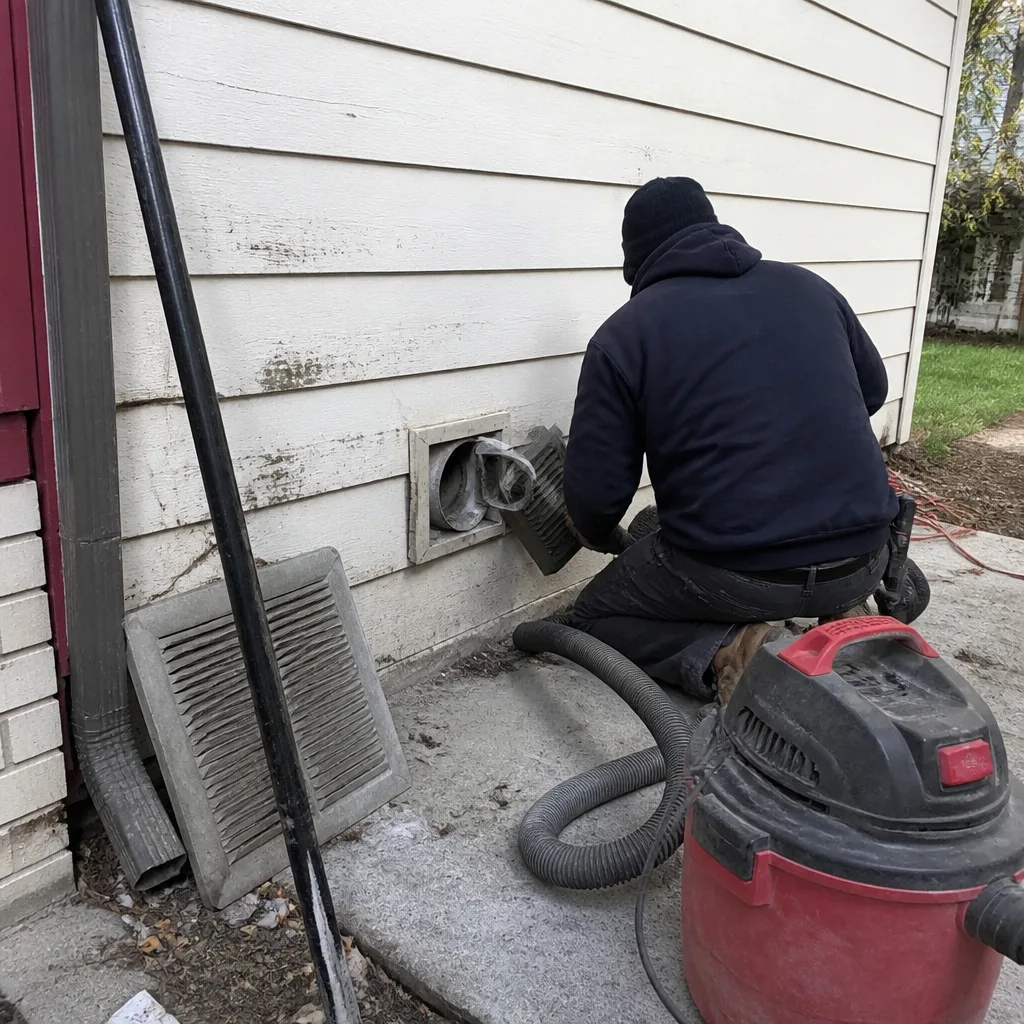 Before
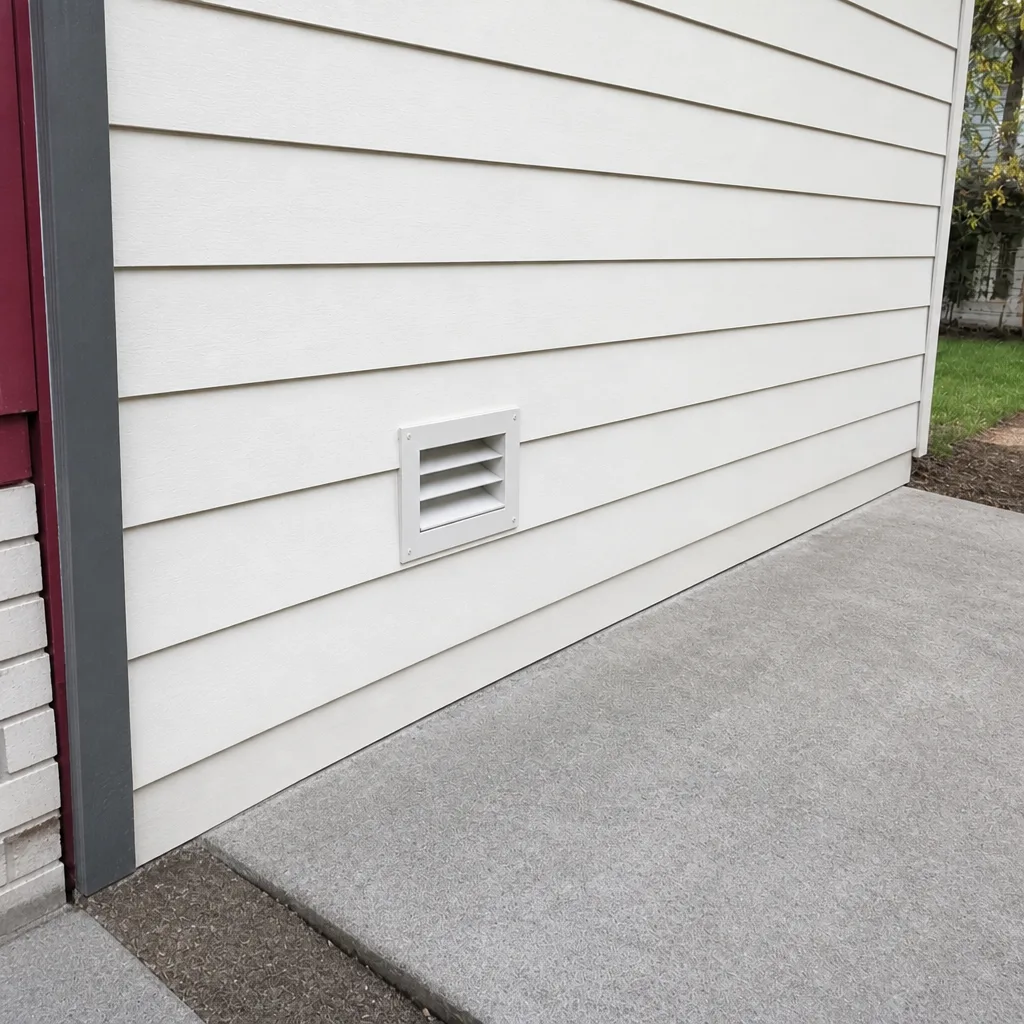 After
 Before
 After
 Before
 After