
Last updated November 23, 2026
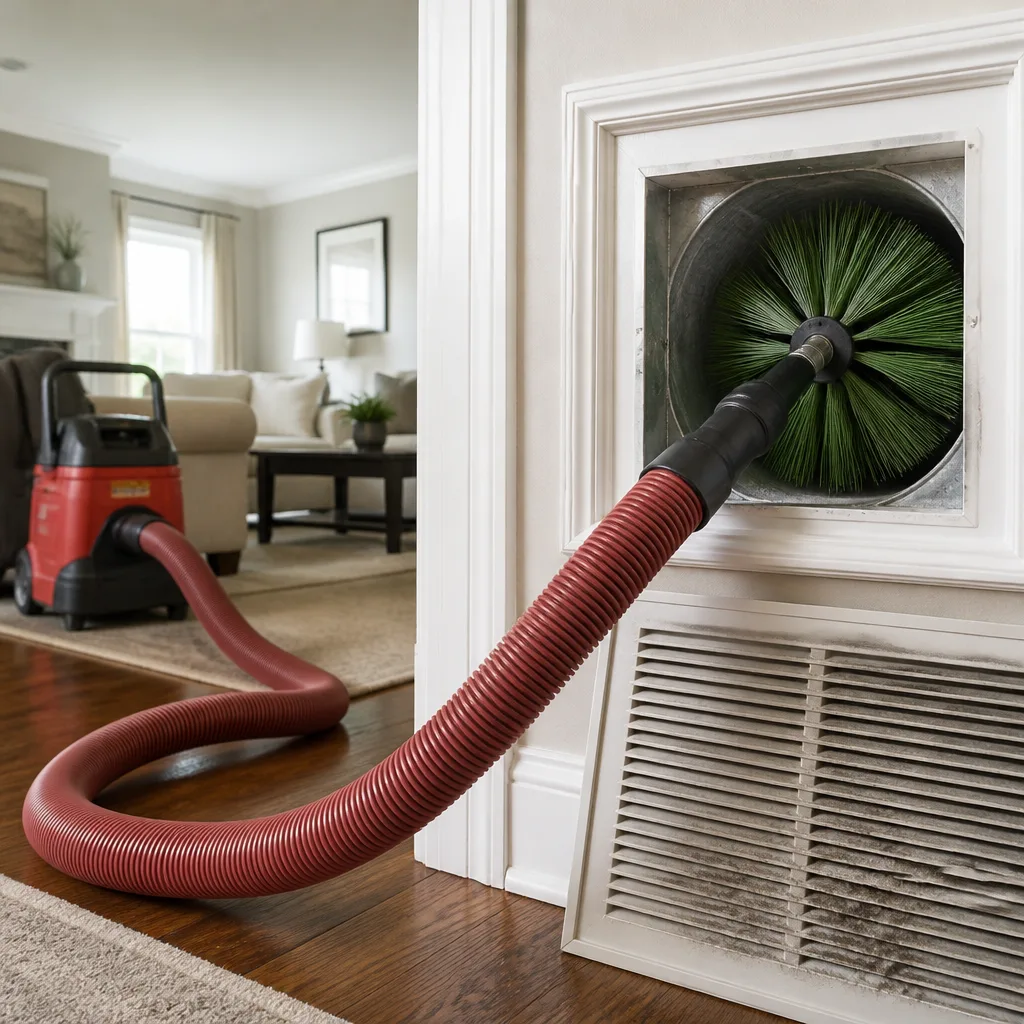 Whole-home duct cleaning
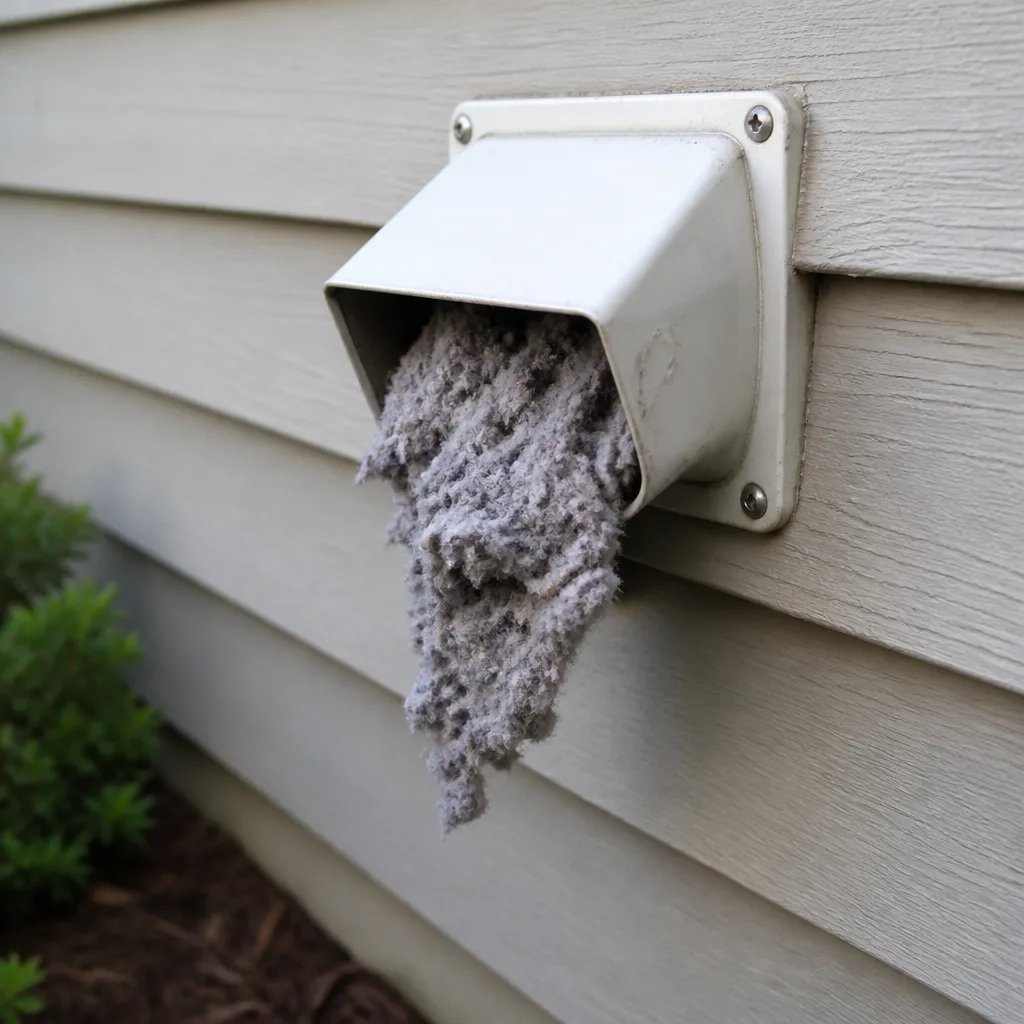 Dryer vent cleaning
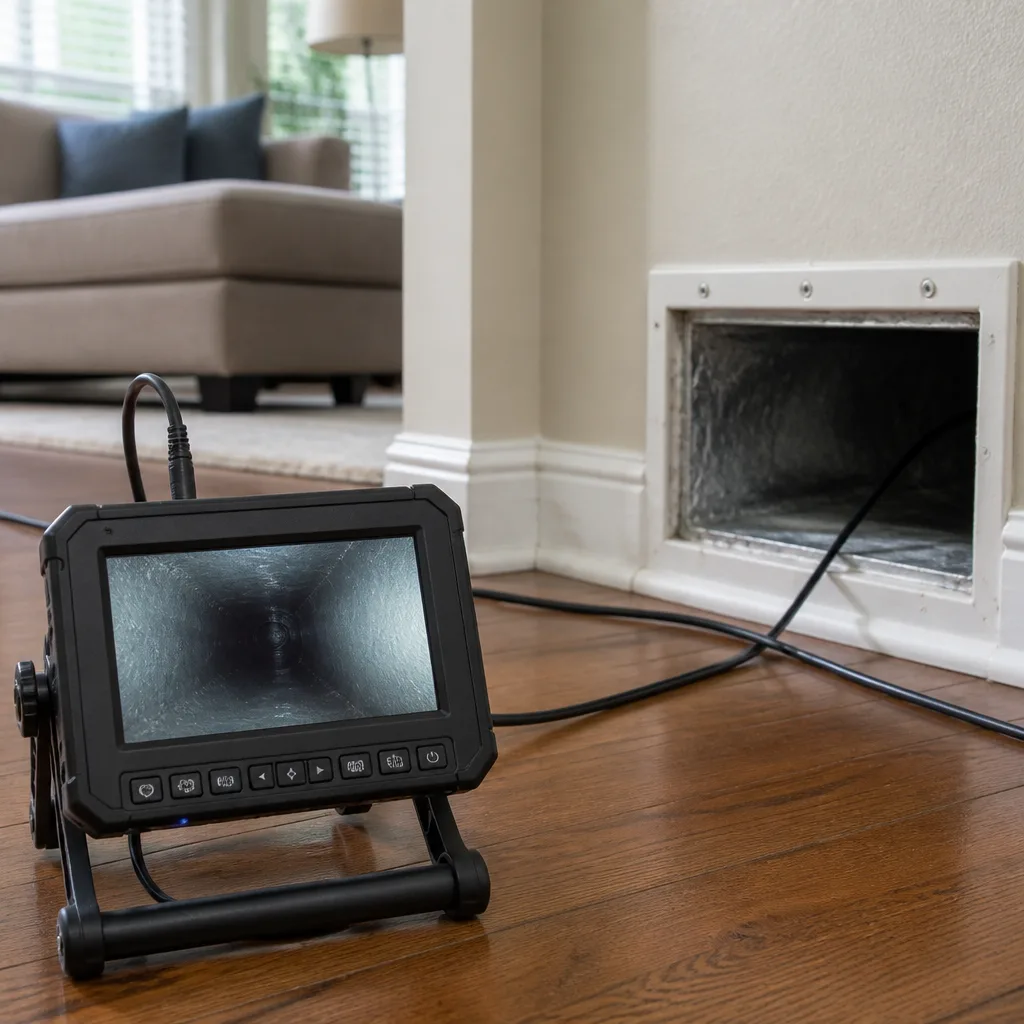 Camera inspection
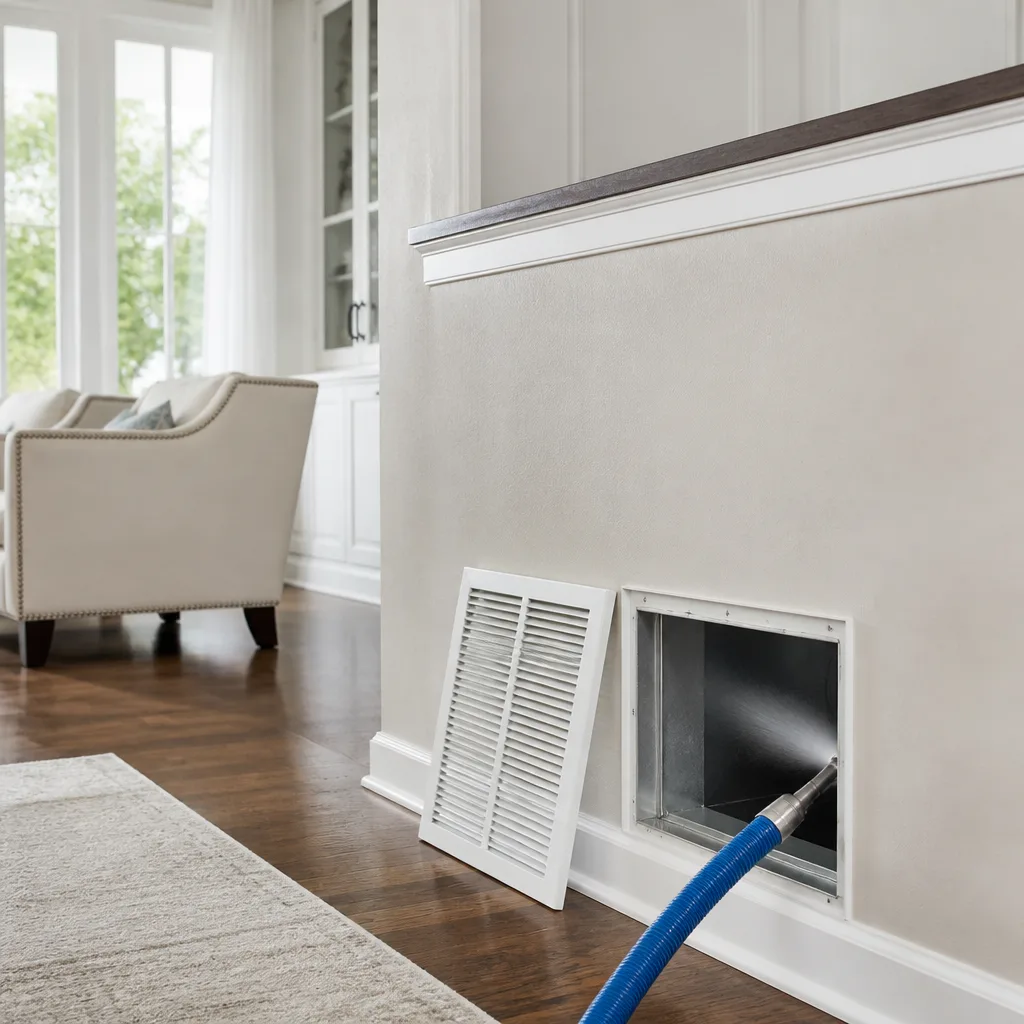 Sanitizing & deodorizing
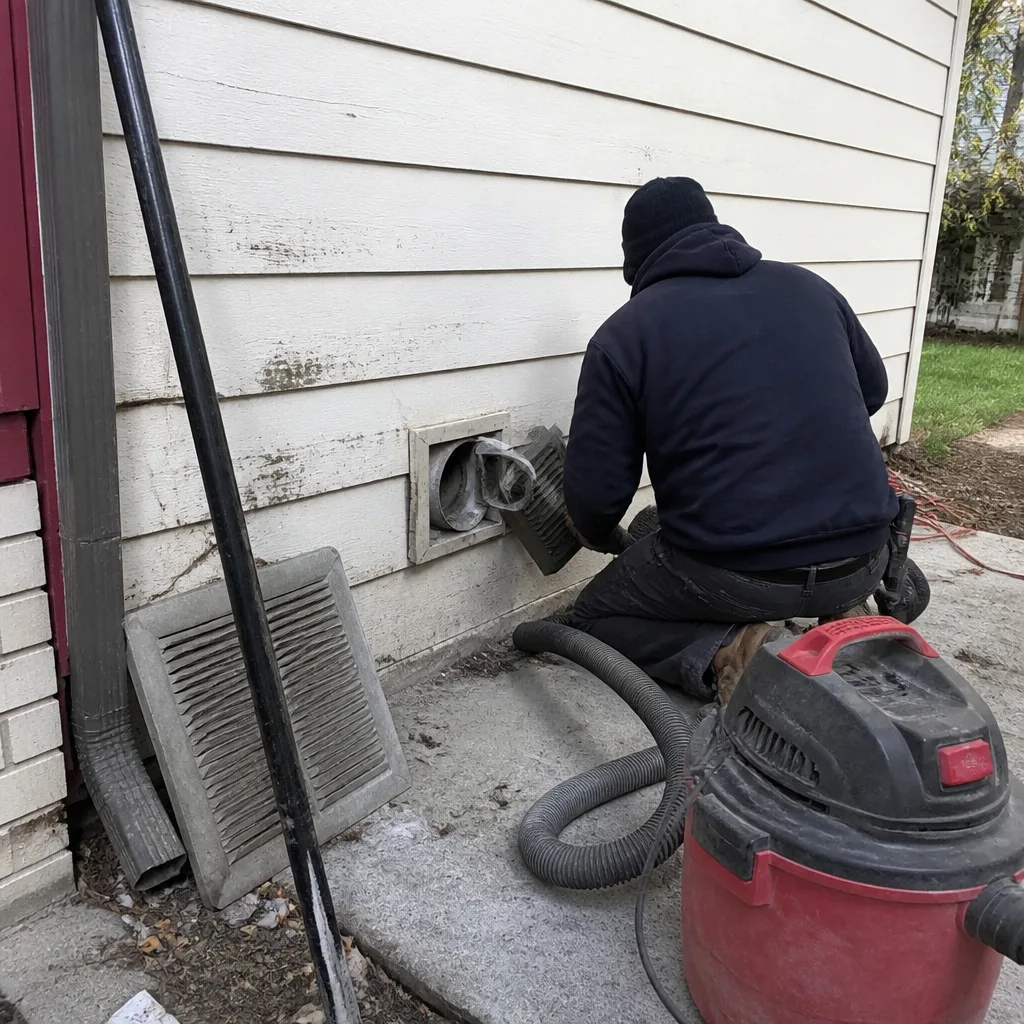
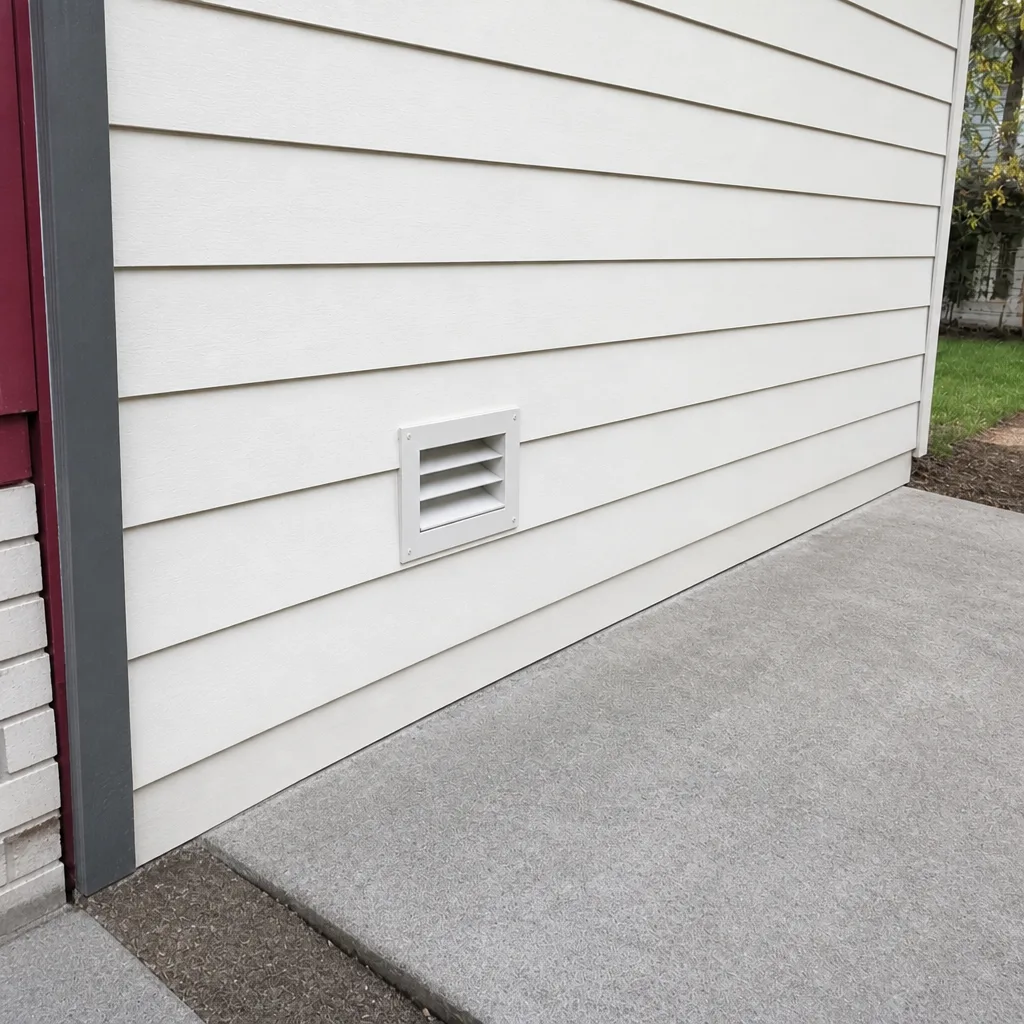
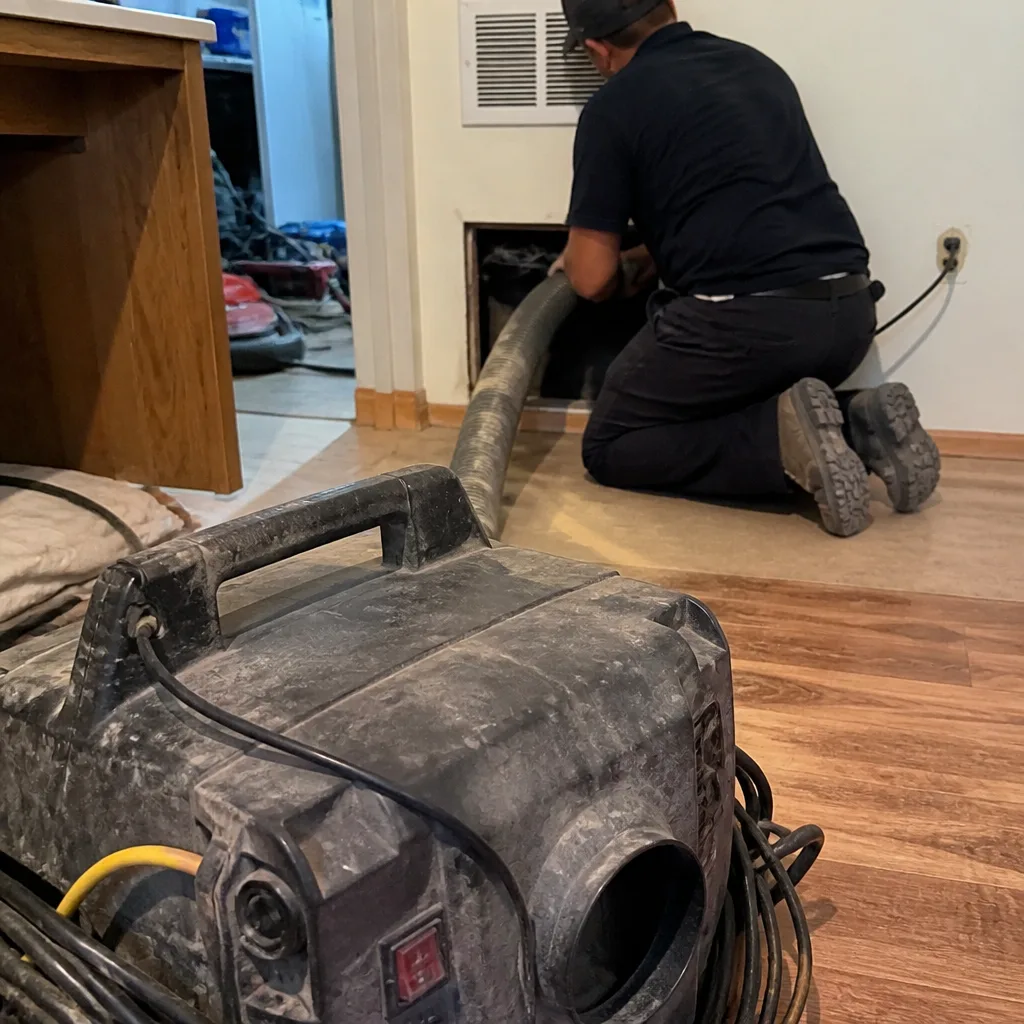
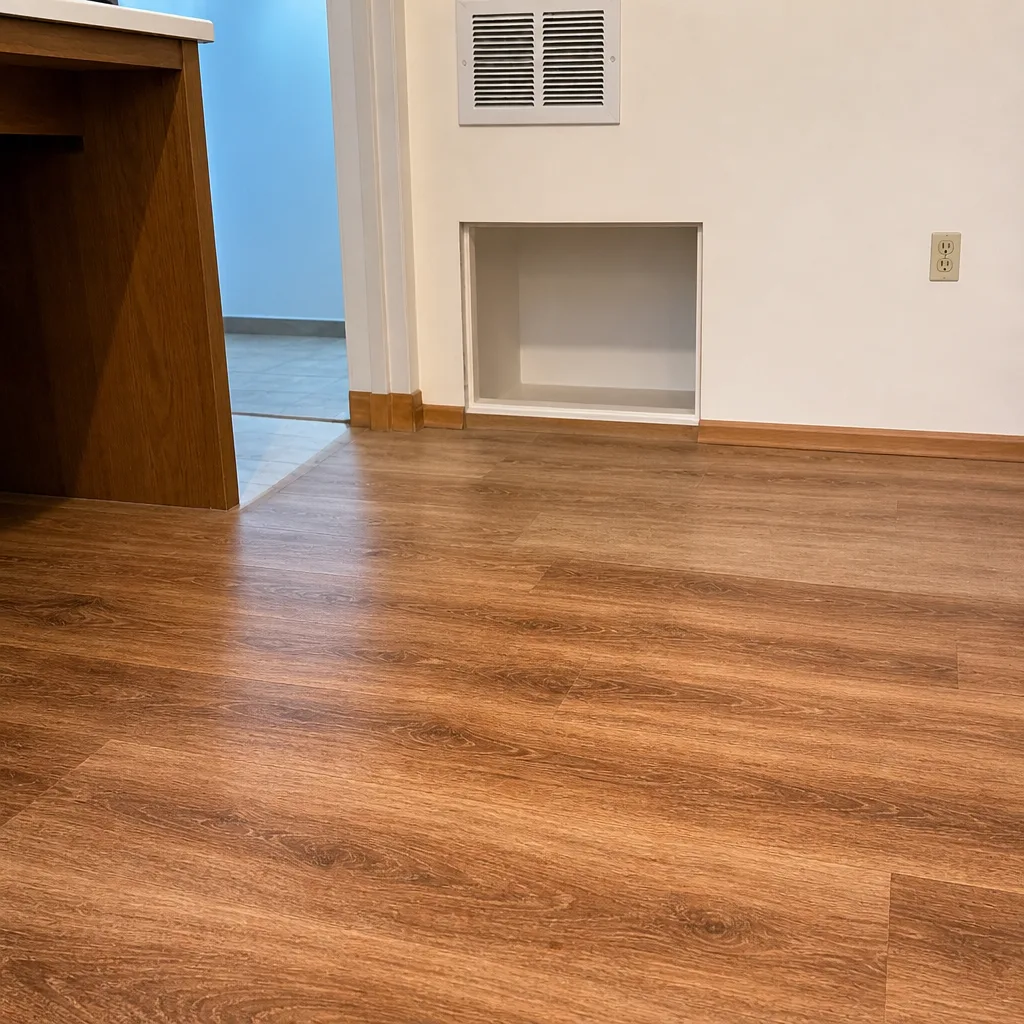
Whole-system duct and dryer vent check with before-and-after photos - you see exactly what came out of your vents
That "$99 whole-house special" is a bait ad - the real number appears once they are in your hallway, or the "clean" is a shop-vac at the register. We photograph the inside of your ducts before and after instead.
Air Duct Cleaning Permits, Codes & Inspections in Thornton, CO: What You Need to Know
Here’s the part almost nobody tells you: the cleaning itself is the easy half of the permit question. Standard air duct cleaning in Thornton doesn’t require a building permit. But the moment a contractor reconnects a run of ductwork, adds a new register, reroutes a supply line through a finished wall, or moves the air handler to make room for cleaning, you’ve crossed into work that the City of Thornton and Adams County treat as a mechanical alteration, and that’s a different conversation entirely. A company that patches disconnected ductwork without a permit may be saving you a conversation now and costing you a home inspection flag later. This guide draws that line for Thornton homeowners and property managers: what’s permit-free, what isn’t, how inspections actually work, and what documentation to ask for before anyone touches your system.
Quick Answer
In Thornton, CO, cleaning-only air duct work (mechanical brushing, vacuuming, sanitizing, dryer vent cleaning) does not require a building permit. Work that modifies the duct system itself, such as adding new runs, rerouting existing runs, relocating the air handler, or adding HVAC zoning, generally requires a mechanical permit from the City of Thornton before work begins, followed by an inspection. Always confirm scope in writing with your contractor and verify permit requirements with the City of Thornton Building Division, since codes and local amendments change.
Styles & brands we work with
- Whole-home duct cleaning
- Dryer vent cleaning
- Camera inspection
- Sanitizing & deodorizing
Table of Contents
- Cleaning vs. Modification: Where the Permit Line Is
- When a Mechanical Permit Is Required in Thornton
- What Colorado and Adams County Code Actually Say
- Work That Stays Permit-Free
- Sanitizing and Air Quality Treatments: EPA-Registered Products
- How to Ask a Contractor About Permit-Eligible Work
- The Thornton Inspection Process, Step by Step
- How to Verify Permit Work After the Fact
Cleaning vs. Modification: Where the Permit Line Is
The cleanest way to think about it: cleaning removes what’s inside the ductwork. Modification changes the ductwork itself. Cleaning is maintenance. Modification is construction. Thornton building officials care about the second one because it changes the mechanical system that keeps a home safe, efficient, and code-compliant.
Clean the ducts and you’ve touched nothing structural. You’ve vacuumed debris, brushed the interior of the runs, maybe applied a sanitizing product to the surfaces. No permit is triggered. This is true whether the home is a 1970s ranch near the Northglenn border or a newer build in the Eastlake neighborhood. Cleaning is cleaning.
Now consider the scenario we run into regularly: while cleaning, a technician finds a run of flexible ductwork that has come loose at a trunk fitting, or a section that was crushed during a renovation, or a supply run that vents into a wall cavity instead of a room. Fixing that properly involves cutting, fitting, re-taping to code, and possibly replacing flexible duct with rigid pipe. That’s a repair to the mechanical system.
The line between “cleaning that includes a minor repair” and “a repair that needs a permit” isn’t always sharp, and that’s why the honest answer is often “let’s check.”
- Cleaning only: no permit, any homeowner or company can authorize.
- Reconnecting a loosened joint with code-approved tape or mastic: typically treated as maintenance, but ask.
- Adding, rerouting, or removing a duct run: mechanical permit territory.
- Relocating an air handler or furnace: mechanical and often electrical permit territory.
- Adding HVAC zoning with new dampers and duct runs: mechanical permit territory.
The reason the “ask” matters so much is timeline. A permit costs relatively little and takes a few days to process. The same repair done without a permit can complicate a future sale, an insurance claim, or a home inspection. In a Thornton real estate market that includes a lot of homes built across four decades, buyers’ inspectors look hard at mechanical systems.
When a Mechanical Permit Is Required in Thornton
A mechanical permit is generally required in Thornton when duct work goes beyond cleaning and maintenance. Here are the scenarios we see most often when a customer asks whether their repair needs a permit:
- New duct runs. Adding a supply or return run to a room that was previously unconditioned (a finished basement, a converted garage, an added bedroom) requires a permit.
- Re-routing existing runs. Moving a duct that currently passes through a closet, an attic chase, or a finished wall to a more sensible path.
- Air handler or furnace relocation. Moving the equipment means the connected ductwork must be rebuilt.
- Zoning additions. Adding a second zone with motorized dampers and a new thermostat is a modification, not a cleaning.
- Duct system replacement. Whole-system replacement when the original ductwork is beyond repair and efficient to replace.
- Duct sealing that involves cutting or changing the system. Sealing joints with mastic or tape is typically maintenance; sealing a system by installing new components may not be.
For each of these, a mechanical permit from the City of Thornton gets pulled before work begins, not after. A permit pulled after the fact can be an expensive and awkward exercise.
Duct repair and sealing is a big part of what we do, so we’re careful about the scope conversation. If the repairs fall within maintenance territory, we proceed. If a repair crosses into modification, we tell the homeowner that a permit is likely needed and recommend the path forward. That’s the honest answer, even if it adds a few days.
This matters more in Thornton than in many Colorado cities because so many homes here have ductwork that has been modified once or twice already, sometimes by previous owners doing weekend projects without documentation. When we find ductwork that doesn’t match the original layout, the first question is always “was the last modification permitted?” A poorly documented prior modification becomes the current homeowner’s problem at resale or insurance time.
What Colorado and Adams County Code Actually Say
Colorado’s building codes are adopted at the state level and amended by local jurisdictions. Adams County and the City of Thornton adopt mechanical code as part of their residential and commercial building permitting. Those codes are where the language about ductwork modification lives.
The recurring themes you’ll find in any adopted mechanical code:
- Duct systems must be installed with materials, joints, and supports that meet specific standards (sealing, materials, clearances).
- Ductwork modifications must maintain the integrity of the system, including fire-blocking or fire-damper requirements where a duct passes through rated walls.
- Flexible duct length is limited, joint count is limited, and duct must be properly supported.
- Return air pathways must comply with the code, particularly for combustion appliances (furnaces and water heaters) that need adequate return air to operate safely.
For a Thornton homeowner, the practical takeaway is this: the code language is precise, and ductwork touches life-safety provisions. A contractor who treats duct modification as casual work is a contractor whose work can fail inspection. When you call the City of Thornton Building Division, they’ll tell you whether a specific job needs a permit; we recommend calling them before agreeing to any work that isn’t clearly cleaning-only.
Where the local climate matters: Thornton’s dry, cold winters and its long furnace-running season mean ductwork failures (crushed duct, disconnected flexible runs, poorly sealed joints) show up dramatically during heating season. Ducts that lose integrity cost money to run and pull in attic air. That’s why duct repair and sealing is such a common part of the work here, and why we emphasize doing it properly with documentation.
Work That Stays Permit-Free
Most of what a duct cleaning company does on a typical Thornton job is permit-free. Knowing this helps you recognize when someone is trying to oversell you the paperwork or, worse, sell you a “repair” that technically should have been permitted.
- Air duct cleaning. Standard cleaning of air duct cleaning work – brushing, vacuuming, sanitizing the interiors – is maintenance, not modification.
- Dryer vent cleaning. Removing lint from a dryer vent cleaning run is maintenance. Cleaning a dryer vent is one of the highest-value preventive services in any home, and no permit is required.
- HVAC cleaning. Cleaning the blower, evaporator coil, and drain pan during HVAC cleaning is maintenance. Wiping down accessible components does not change the system.
- Sanitizing and air quality treatment. Applying an EPA-registered sanitizing product to duct surfaces is a treatment, not a construction change. More on this below.
- Minor re-sealing of a loosened joint. Re-taping or applying mastic to a joint that has opened is generally treated as maintenance, not modification.
The middle category – “minor” repair – is where a homeowner needs to push. A technician who says “that’s fine, no permit needed” for a repair that involves adding a run or rerouting a supply is a technician whose work you should question. Get it in writing that the scope is cleaning and maintenance only, or ask the contractor whether a permit is being pulled.
Sanitizing and Air Quality Treatments: EPA-Registered Products
When a duct cleaning company sanitizes your system, the product applied to the duct surfaces should be EPA-registered for that use. That’s a legal requirement in the United States for antimicrobials and sanitizers, and it’s a fact that’s easy for a homeowner to verify. Every product has an EPA registration number printed on the label, and that number can be looked up in the EPA’s registration database.
We use Guardsman-grade cleaning and protection products in the sanitizing process, precisely because the product selection and the application method both matter. Here’s what the homeowner should look for:
- An EPA registration number on the product label, and a label that specifically lists duct or HVAC surfaces as an approved site of application.
- Proper containment during application. We use Abatement Technologies equipment to establish negative-air containment, which keeps contaminants and product from escaping into living space during the process.
- A technician who explains the label, not just the process. If the technician can’t tell you the product name and the registration, ask for it.
- Ventilation and dry time after application. Sanitizing products require the system to run dry before use; the technician should walk you through the timing.
“Sanitizing” is not a claim that you’ll never have allergens again, and it’s not a claim that the ducts are sterile. It’s a treatment of surfaces that contacts a registered product at a labeled concentration. Be wary of anyone who promises more than that.
Sanitizing is also where we integrate air quality products like Honeywell and Aprilaire filtration and humidification solutions. Those aren’t part of the cleaning scope, and installing a product by manufacturer specifications is a separate conversation from duct cleaning permits. In practice, whole-home air quality upgrades usually sit in HVAC modification territory, so we discuss permit scope with the homeowner before proceeding.
How to Ask a Contractor About Permit-Eligible Work
The right questions before anyone starts a repair on your ductwork will save you significant time later. Ask them in this order:
- “Is the work in the estimate cleaning-only, or does it involve modifying the duct system?” A contractor should be able to answer this in one sentence. Vague answers are a warning.
- “If it’s a modification, will you pull a permit from the City of Thornton?” The answer should be yes, or the work should be scoped as maintenance-only.
- “Who pulls the permit, and is the permit in my name or the company’s name?” In Colorado, either is possible; ask which they do.
- “Can I see the estimate in writing, itemized by scope?” Permits and inspections are line-item scope, not adjectives.
- “What documentation will I get when the work is done?” A written summary of work performed, and for permitted work, the inspection record.
- “Are you insured as your state requires?” The local professional we connect you with is licensed and insured as their state requires. Ask to see proof.
The documentation you should request:
- Written estimate with scope, in plain language.
- Permit number, if a permit was pulled.
- After-inspection approval, if applicable.
- Before-and-after photos of the ducts, so you can see what was actually done.
- The product names and EPA registration numbers for any sanitizing treatment.
If a contractor hesitates on any of these, that’s the entire answer to whether they’re the right company for a permit-adjacent job.
The Thornton Inspection Process, Step by Step
When a mechanical permit is pulled for duct-related work in Thornton, the process follows the general path of Adams County building inspection. The specifics of scheduling and turnaround are set by the City of Thornton Building Division, and the process may vary by project, so always confirm with the city.
- Contractor files the permit application. This includes a scope description and often a simple system drawing. The city reviews the application for completeness.
- Permit is issued. Work can begin once the permit is issued and any fees are paid.
- Work proceeds to a point of inspection. For ductwork, this usually means the installation is roughed in but not yet covered or concealed (walls closed, insulation installed).
- Rough inspection. The inspector verifies materials, joints, sealing, supports, clearance from combustibles, and fire-blocking where required.
- Corrections, if needed. If the inspector finds an issue, the contractor corrects it and re-inspects. This is normal.
- Final inspection. Once the system is complete and accessible components are confirmed, the final inspection closes out the permit.
The most common failure point is that the homeowner never sees the inspection outcome. When you’re the one who asked for the work, ask for a copy of the approved inspection. The permit record belongs with the home.
How to Verify Permit Work After the Fact
If you’re buying a home in Thornton, or you’re not sure whether a previous owner’s duct work was permitted, there’s a straightforward path to check. The city keeps permit records, and a title company or a real estate agent can pull them during a sale.
If you’re the current homeowner and you want to verify prior work:
- Call the City of Thornton Building Division and ask for the permit history at your address. They can typically tell you whether a permit exists and its final status.
- Ask for the inspection record, which shows whether the work passed final inspection.
- Look for physical evidence: ductwork that doesn’t match original building plans, exposed tape joints where finished runs should be, flexible duct runs with obvious shortcuts, or a run that terminates into a wall cavity. A qualified technician can walk the system and identify the ones that raise concern.
- If unpermitted work is found, the honest path is to have the work evaluated and either permitted properly, corrected, or disclosed as-is in a future sale.
One of the reasons we take documentation seriously is that this scenario repeats in Thornton. A home inspector flags duct work that was done without a permit; a buyer asks the seller; the seller can’t prove the work met code; the sale stalls. None of that follows from work done with a permit and inspected.
Common Mistakes to Avoid
- Assuming “cleaning” covers “repairs.” The estimate should distinguish the two, in writing, before work begins.
- Accepting “it’s covered” without seeing the scope. A verbal “we’ll fix that” isn’t documentation. Get it in writing.
- Skipping the permit because the job is small. A single new duct run is exactly the kind of small modification that gets flagged in a home inspection later.
- Not asking who pulls the permit. If the homeowner is expected to pull it, that’s a contractor problem, not a homeowner’s job.
- Ignoring the inspection record. A permit without a final inspection is incomplete paperwork.
- Letting a sanitizing treatment run without a product name. Ask for the product and the EPA registration number.
- Trusting the cheapest quote. The quote that skips the permit is usually the quote that skipped the workmanship too.
If you’re already in a duct cleaning estimate conversation and a technician is proposing any repair beyond re-taping a joint, that’s the moment to pause and ask the scope question. In our experience, that single question heads off most of the post-work disputes we hear about.
See the difference
 Before
 After
 Before
 After
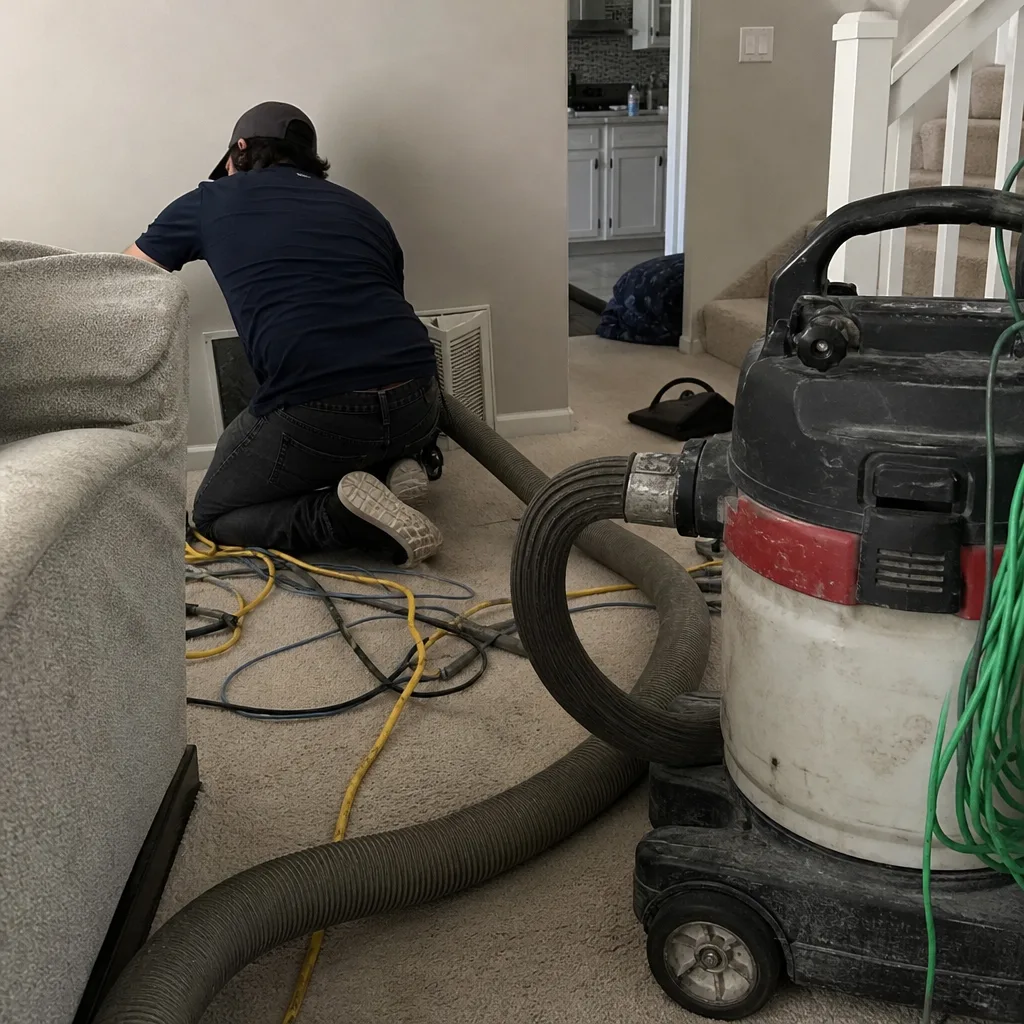 Before
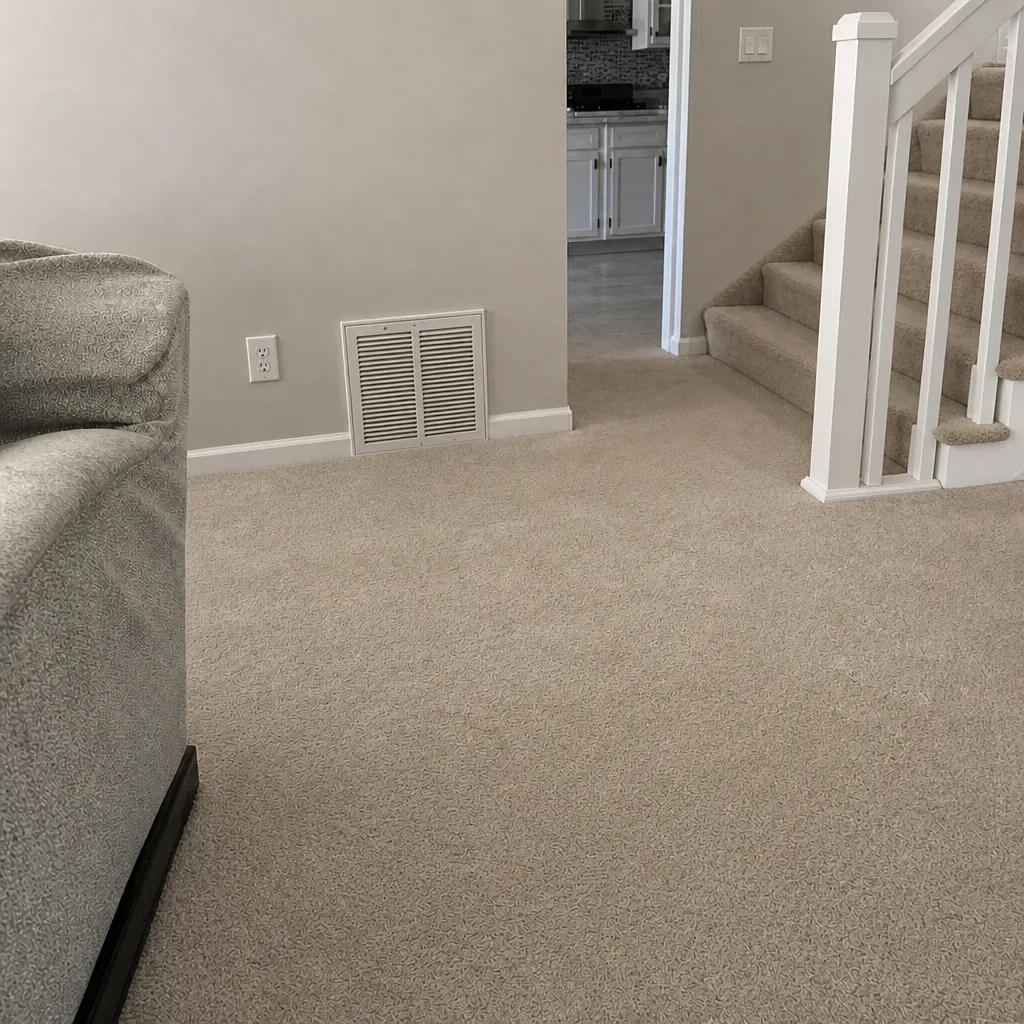 After
When to Call a Professional
Call a professional if you find disconnected ductwork in an attic, a crushed run in a finished space, or dust actively blowing from a supply register that isn’t coming from a filter problem. Call if a home inspector’s report notes unpermitted duct work, or if you’re buying a Thornton home and want a mechanical system evaluation before closing. Call if you notice musty odors in the return air, inconsistent airflow between rooms, or if a recent renovation filled the ductwork with construction dust. And call before doing any repair that would require a permit – the wrong scope here becomes an insurance claim later. Thornton Air Duct Cleaning offers free estimates in Thornton – call (866) 947-8149. We answer 24/7. Fast dispatch from 7am to 7pm, Sunday through Friday.
Frequently Asked Questions
No. Standard air duct cleaning in Thornton does not require a permit because it’s maintenance, not modification. Cleaning, sanitizing, and dryer vent cleaning are all permit-free. Only duct repairs that modify the system (new runs, rerouting, air handler relocation, zoning additions) generally require a mechanical permit from the City of Thornton. Call (866) 947-8149 for an exact quote on cleaning – estimates are free.
Duct repair requires a permit when it changes the duct system itself: adding a run, rerouting a run, relocating the air handler, or adding HVAC zoning. Reconnecting a loosened joint with code-approved tape or mastic is generally treated as maintenance. When in doubt, call the City of Thornton Building Division and confirm the scope. Call (866) 947-8149 if you’re unsure which category your repair falls into – we can walk the system and give you an honest read.
In almost all cases, yes. Adding a supply or return duct to a previously unconditioned space is a mechanical modification, and it requires a mechanical permit and inspection from the City of Thornton. The permit protects both you and any future buyer of the home. Call (866) 947-8149 if you’re planning this work and want to talk through the scope before signing anything.
Call the City of Thornton Building Division and ask for the permit history at your address, including the final inspection status for any permit you find. That record tells you what was permitted and whether it passed. If the work was never permitted, you can discuss correction options with a qualified contractor. Call (866) 947-8149 for a walkthrough that flags the physical signs of unpermitted work.
Yes. Any sanitizing product applied to duct surfaces should be EPA-registered for that use, and the label will carry an EPA registration number that can be verified in the EPA’s database. Our sanitizing process uses Guardsman-grade products with proper containment via Abatement Technologies equipment. Call (866) 947-8149 to schedule an estimate and review the products we use.
Permitted work costs a modest amount more in fees and timeline, and that’s the honest answer. The permit fee itself is set by the city, and the inspection adds a scheduling step. What you get in return is work that verifies against code and clears any future home inspection or insurance review. The price is set per job by the written estimate. Call (866) 947-8149 for a free estimate.
The Bottom Line
Cleaning your ducts in Thornton doesn’t require a permit. Modifying them usually does, and the scope question is the one that matters most. Ask in writing whether your estimate is cleaning and maintenance only or includes modification that crosses into permitted territory, and get the permit number and inspection record if it does. Get the product names and EPA registration numbers for any sanitizing treatment. Verify prior work at your address through the City of Thornton Building Division. None of that is difficult, but all of it depends on the contractor being willing to have the conversation. That’s how work holds up at resale, at insurance time, and at inspection. Call (866) 947-8149 for a free estimate. We answer 24/7. Fast dispatch from 7am to 7pm, Sunday through Friday. Our technicians have up to 14 years of experience, and we bring professional-grade Rotobrush and Nikro equipment to every job because the work here isn’t surface cleaning.
Written by the team at Thornton Air Duct Cleaning.