
Last updated November 23, 2026
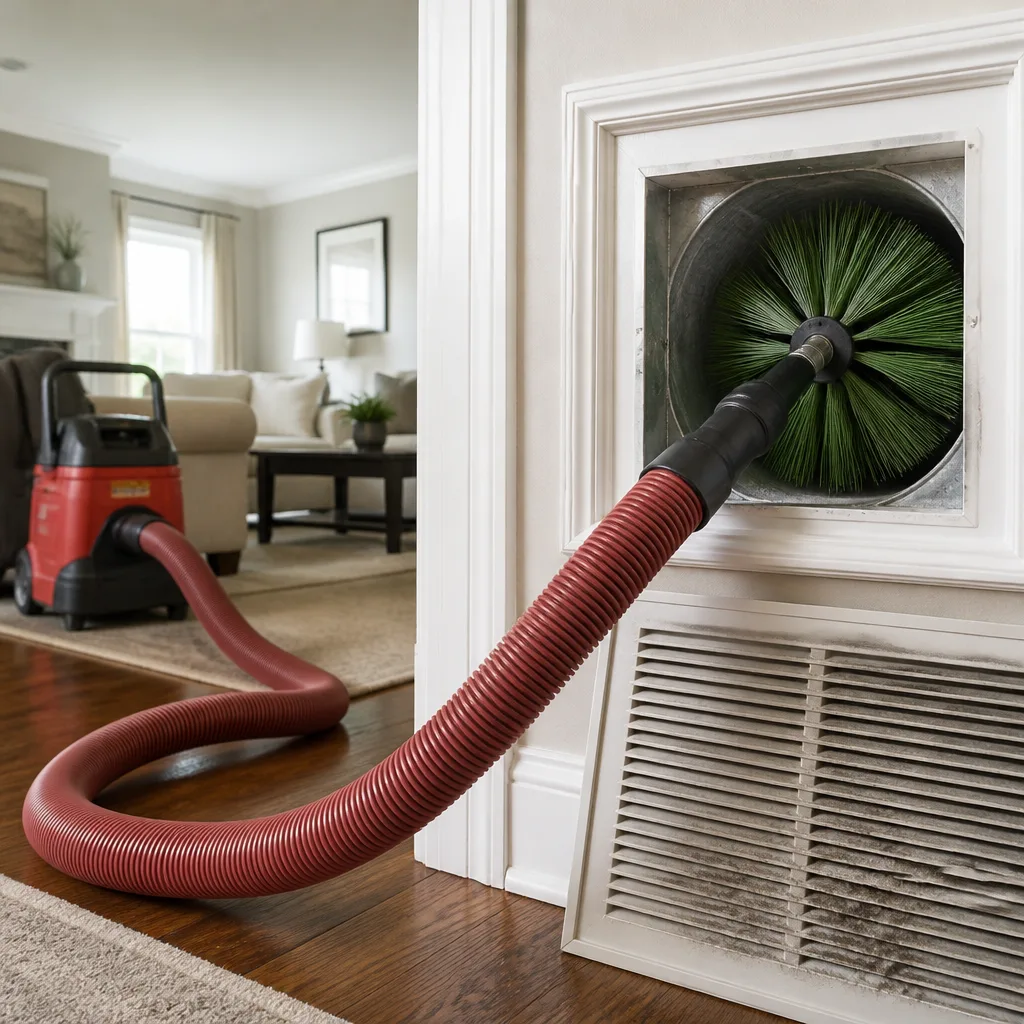 Whole-home duct cleaning
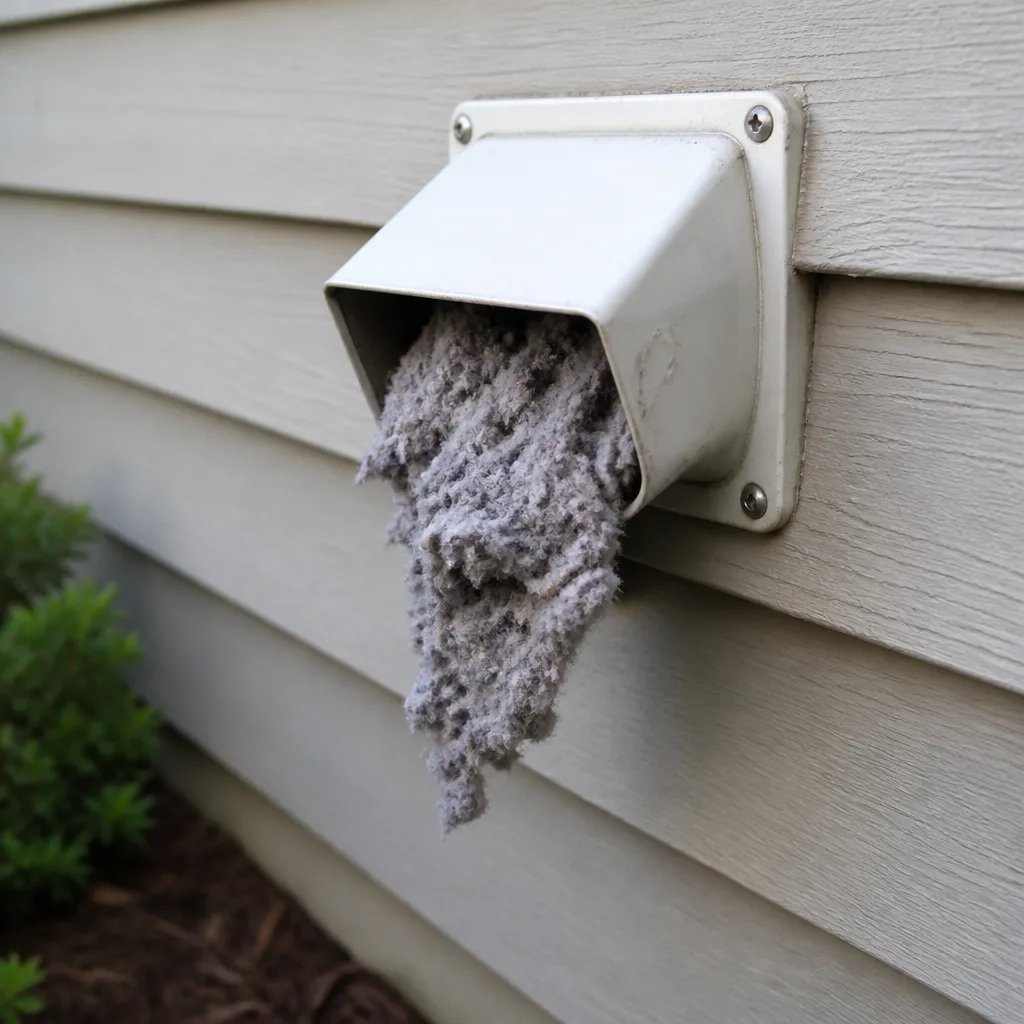 Dryer vent cleaning
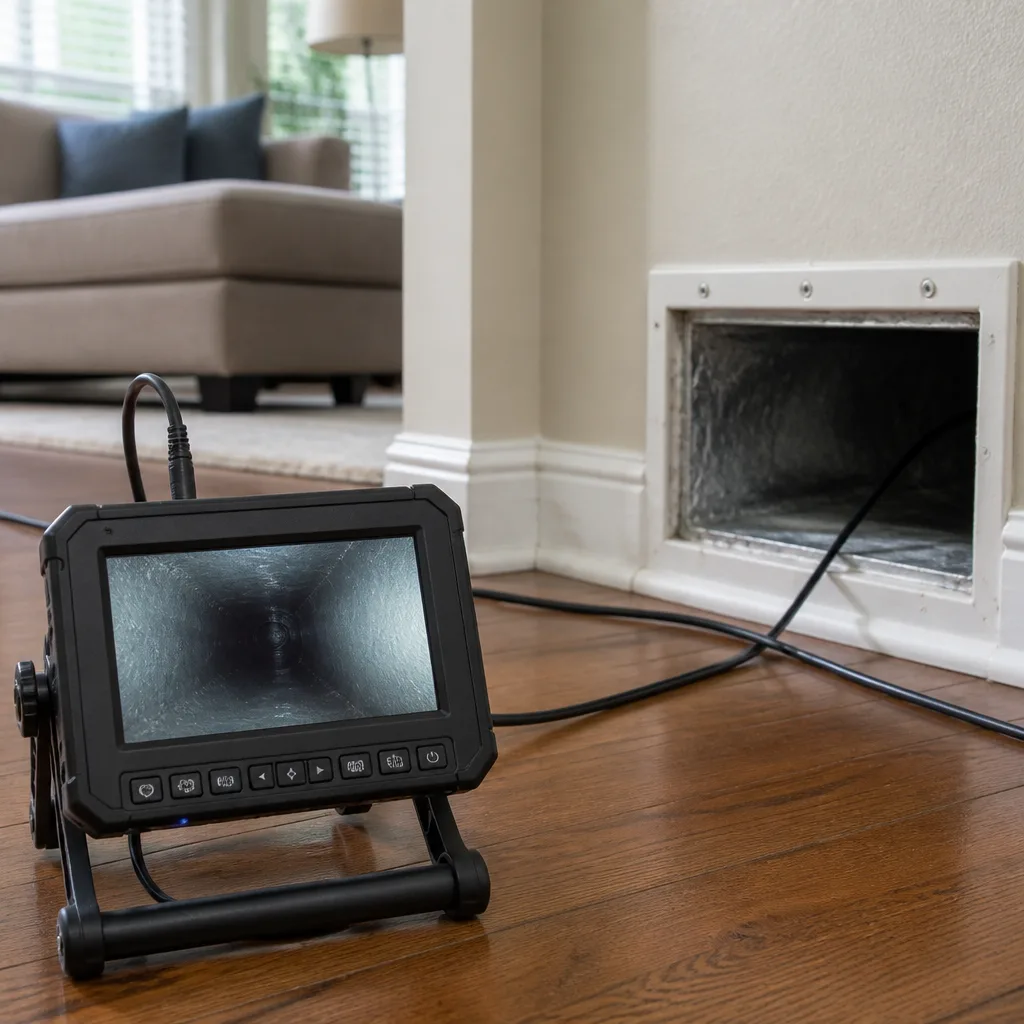 Camera inspection
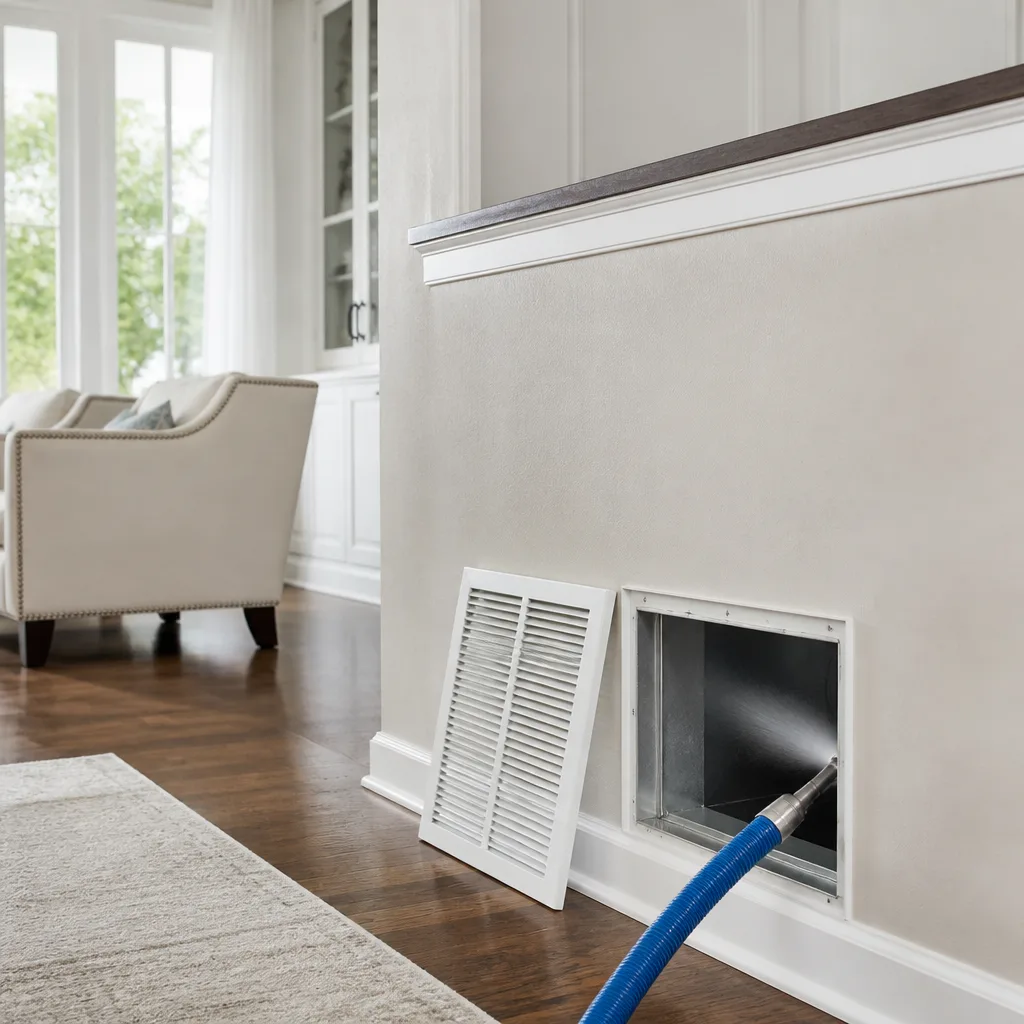 Sanitizing & deodorizing
Whole-system duct and dryer vent check with before-and-after photos - you see exactly what came out of your vents
That "$99 whole-house special" is a bait ad - the real number appears once they are in your hallway, or the "clean" is a shop-vac at the register. We photograph the inside of your ducts before and after instead.
Air Duct Cleaning Emergency Preparedness Guide for Thornton Homes
Most people think about their ducts after the smoke clears, the water goes down, or the fire crew packs up. That’s backwards. By the time you notice the smell or the dust settling on the shelves, your HVAC system has already cycled that contamination through every room in the house several times over. The system is a loop, and whatever gets into the return air gets redistributed to the bedrooms, the kitchen, the basement – everywhere. This guide covers what to do with your ductwork before, during, and after an emergency in Thornton, from wildfire smoke season to a burst pipe to a post-fire restoration. You’ll learn the shutoff protocol, the 48-hour mold window, why gas-phase contaminants behave differently from soot particles, and what documentation to hand your insurance adjuster.
Quick Answer
If your home has just been through a fire, flood, or heavy smoke event in Thornton, shut the HVAC system off before you do anything else – running it pulls contaminated air into the ductwork and redistributes it through every room. Keep the system off until a professional inspects the ducts, and call your insurer before restoration crews start work so the condition of the system gets documented properly. Standard cleaning handles particulate; smoke and chemical residue often need air scrubbing or activated carbon beyond a routine cleaning.
Styles & brands we work with
- Whole-home duct cleaning
- Dryer vent cleaning
- Camera inspection
- Sanitizing & deodorizing
Table of Contents
- Before an Emergency: Preparing Your Duct System
- Wildfire Smoke Events: Shutoff, Filters, and What Actually Helps
- After a Fire: The HVAC Lockout Protocol
- Flood and Moisture Events: The 48-Hour Window
- Why Smoke VOCs Need More Than Standard Duct Cleaning
- Working With Your Insurance Adjuster
- Common Mistakes to Avoid
- When to Call a Professional
Before an Emergency: Preparing Your Duct System
Preparedness isn’t about predicting the disaster. It’s about knowing the sequence of moves so you don’t have to think when you’re panicked. In Thornton, the realistic emergencies we hear about run the range: summer wildfire smoke rolling down from the foothills and settling over the metro, a kitchen fire that gets put out fast but leaves a residue, a washing machine supply line that lets go while the family is out, or a furnace issue that pushes soot into the return.
Here’s what you can set up before anything happens:
- Locate your HVAC disconnect. Find the breaker or the service switch for your air handler and furnace. Label it in the panel. If you’ve never looked, do it now – you may have one combined breaker or a furnace switch plus a separate air handler breaker.
- Keep a MERV-13 filter on hand for smoke events. A high-MERV filter won’t stop everything, but during a smoke event it buys you time by trapping more particulate at the return before it coats the interior of the ducts. Change it once the event passes.
- Photograph your ductwork. Open the return grille and take a few shots of the interior. If you ever need to file a claim, having a baseline image of what clean ducts look like is worth a lot.
- Know your system’s age and type. Rigid metal, flex duct, and duct board each respond differently to water and soot. Note what you have.
- Keep a spare filter and a roll of painter’s tape. If you have to seal off a return quickly during a fire or smoke event, tape works.
One more prep step worth mentioning: have a relationship with a duct specialist before you need one. When a fire happens, restoration crews are booked solid and everyone is trying to get an assessment. Having a name already in your phone for air duct cleaning in the Thornton area saves days of scrambling. Our technicians have up to 14 years of experience and can walk you through the assessment in a single visit.
Wildfire Smoke Events: Shutoff, Filters, and What Actually Helps
Wildfire smoke in the Front Range is a recurring event, not a rare one. When a smoke plume settles over Thornton and the air quality index climbs, the knee-jerk reaction is to close the windows and run the AC. That’s half right.
Running the system with a standard filter during heavy smoke does pull smoke particulate into the return, and if the filter is a cheap fiberglass one, most of it goes right through. Here’s a better sequence:
- Close windows and doors first. Then set the thermostat to fan “on” (not auto) only if you have a MERV-13 or higher filter in place. If the filter is standard, don’t run the fan continuously; the system will just recirculate whatever it’s pulling in.
- Install a MERV-13 filter as the event begins. These are available at most hardware stores in the Thornton area. Swap it out once the smoke clears – a loaded filter restricts airflow.
- If smoke is visibly entering the house (through a chimney, a fresh-air intake, or a poorly sealed attic hatch), shut the system off entirely rather than fight it. A closed system doesn’t pull smoke in, and it doesn’t push contaminated air around either.
- Don’t run a portable swamp cooler during a smoke event. Evaporative coolers pull outside air directly into the home.
Once the smoke clears, the question becomes: does the system need cleaning? A single moderate smoke event with a good filter usually doesn’t. A multi-day heavy event, a nearby fire, or any visible soot at the return grilles is a different answer. If you see grey film on the inside of the return, the particulate has made it past the filter and into the ductwork.
After a Fire: The HVAC Lockout Protocol
This is the point most people miss. After a structure fire – even a small one contained to one room – the HVAC system becomes a contamination highway. Soot, char, and volatile organic compounds get pulled into the return, and every time the system cycles, they get pushed back out. Restoration crews know this, but the sequence matters.
Here’s how it should go:
- Lock out the HVAC system before any restoration work begins. That means more than turning the thermostat off. The breaker for the air handler and furnace should be switched off and tagged. If the system cycles at any point during demolition, cleaning, or reconstruction, it reintroduces soot into rooms that were just cleaned.
- Call your insurance adjuster before disturbing anything. Most policies require you to document the pre-restoration condition. Take photos of the return grilles, the furnace filter, and any visible soot at the registers.
- Have the ducts assessed before cleaning starts. A post-fire duct assessment looks at three things: the extent of soot migration into the trunk and branch lines, whether flex duct has absorbed smoke odor (flex is often a total loss after a fire), and whether the air handler itself was contaminated. If the blower wheel and evaporator coil are coated in soot, cleaning the ducts without addressing the equipment is pointless.
- Clean with negative-air containment. This is where the equipment matters. We use Abatement Technologies negative-air equipment during post-fire cleaning because pulling contaminated air out of the work area and HEPA-filtering it prevents release into the rest of the home. Consumer-grade vacuums and shop-vacs don’t have the containment.
- Sanitize, then re-test. Cleaning removes the physical soot. Sanitizing addresses the microbial and odor residue. The work isn’t done until the system runs clean and the smell is gone.
One point worth emphasizing: your fire restoration contractor and your duct specialist are two different trades. Get the duct assessment done by someone whose job is ducts. The HVAC cleaning scope after a fire is broader than a routine cleaning, and it includes the air handler and coil, not just the duct runs.
Flood and Moisture Events: The 48-Hour Window
Water in your ductwork is a different problem from smoke, and the clock runs faster. Mold can begin to colonize a wet, organic surface – including duct board, the paper facing on flex duct, and the dust that lines rigid metal – within 48 hours of a moisture event. That’s the window.
If you’ve had a supply line break, a sump failure, or water intrusion that reached the return plenum or the ducts themselves:
- Shut the system off immediately. Wet ductwork plus airflow equals mold spores in every room within a day.
- Photograph everything before you dry it. Interior shots of the duct runs, the plenum, the insulation on the ducts, and any visible standing water. Insurance adjusters will want these, and once you’ve started mitigation the evidence is gone.
- Dry the structure first, not the ducts. If the house is wet, running a dehumidifier without addressing the ducts just moves moisture around. Get the ducts documented and then dried or replaced.
- Determine whether the ducts are salvageable. Rigid metal ductwork that got wet can often be cleaned, sanitized, and dried. Flex duct with a wet liner usually has to be replaced. Duct board that’s absorbed water is a replacement too.
- Document the replacement decision in writing. If your technician recommends replacement, ask for the reasoning in the invoice – the adjuster will want it.
In Thornton, we see this most after late-spring plumbing failures and after the occasional summer storm that finds a leak in an attic. The 48-hour rule applies either way. Once you’re past that window with wet ductwork, the conversation shifts from cleaning to remediation, which is more expensive.
Why Smoke VOCs Need More Than Standard Duct Cleaning
Smoke from a house fire or a wildfire isn’t just particulate. It’s a mix of two distinct problems, and standard cleaning only addresses one of them. Particulate – soot, ash, char – gets trapped in the ducts and on the blower wheel. Gas-phase contaminants – the volatile organic compounds (VOCs) that give smoke its smell and its irritating quality – are gases, not particles, and they don’t get trapped by a filter or washed out by a mechanical brush.
Here’s the practical difference:
- Particulate cleaning uses mechanical agitation (a rotating brush head on a professional system like a Rotobrush) plus HEPA vacuum extraction. This removes the visible soot.
- Gas-phase treatment needs activated carbon, air scrubbing, or hydroxyl/ozone treatment conducted properly. In our experience, post-fire homes need both, and skipping the gas-phase step leaves the smoke smell behind even when the ducts look clean.
This is where a duct cleaning company that also does air quality work matters. Cleaning removes the soot; it doesn’t remove the smell. Our air quality and sanitizing service uses Guardsman-grade products and air scrubbing equipment specifically for this reason. If a company quotes you only for “duct cleaning” after a fire, ask how they’re addressing the VOCs. If the answer is vague, that’s a signal.
Wildfire smoke events in Thornton differ from house fires in degree but not in kind. A multi-day heavy smoke event can push gas-phase residue into the ductwork, especially if the system has been running. Most homes don’t need gas-phase treatment after a typical smoke event, but homes with chemical sensitivity, elderly occupants, or infants warrant the conversation.
Working With Your Insurance Adjuster
Duct-related claims after a fire, flood, or smoke event are often where homeowners leave money on the table – not because insurers are stingy, but because the documentation doesn’t support the claim. Adjusters work from evidence, and ductwork is out of sight, so it has to be documented carefully.
What a professional technician should provide for a claim:
- Pre-cleaning photographs of the interior of every accessible duct run, plus the plenum, air handler, and blower. Interior photos matter more than exterior; the adjuster needs to see what was inside.
- A written assessment describing the type of contamination (soot, water damage, mold, odor), the extent (all runs, or a subset), and the recommended treatment (cleaning, sanitizing, replacement).
- An itemized estimate breaking out cleaning, sanitizing, any replacement, and equipment. A single lump-sum figure is harder for an adjuster to approve than a line-item one.
- Post-cleaning verification – photographs of the cleaned ducts and, where relevant, a note on whether odor was resolved.
Under Colorado practice, most homeowners’ policies cover sudden and accidental damage (fire, burst pipe) but typically exclude gradual damage from a slow leak. The distinction matters for the claim. If the water came from a fitting that failed overnight, that’s usually covered. If the ducts have been damp for weeks and mold is the result, the insurer may push back.
One thing to keep in mind: we’re not adjusters and we don’t negotiate claims. What we can do is document thoroughly and give you a clear written assessment to submit. That said, if the adjuster wants more detail on a repair-scope item like dryer vent cleaning damage after a fire, we can provide it.
See the difference
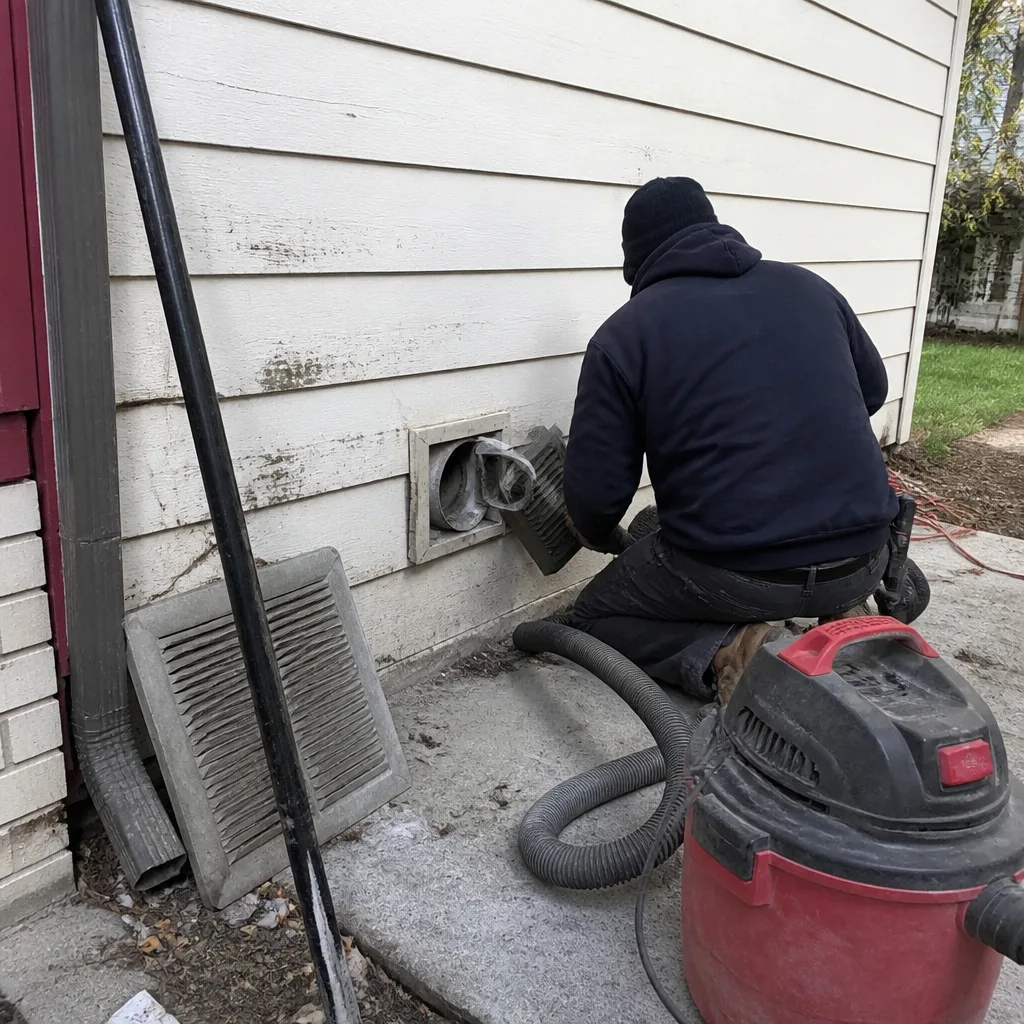 Before
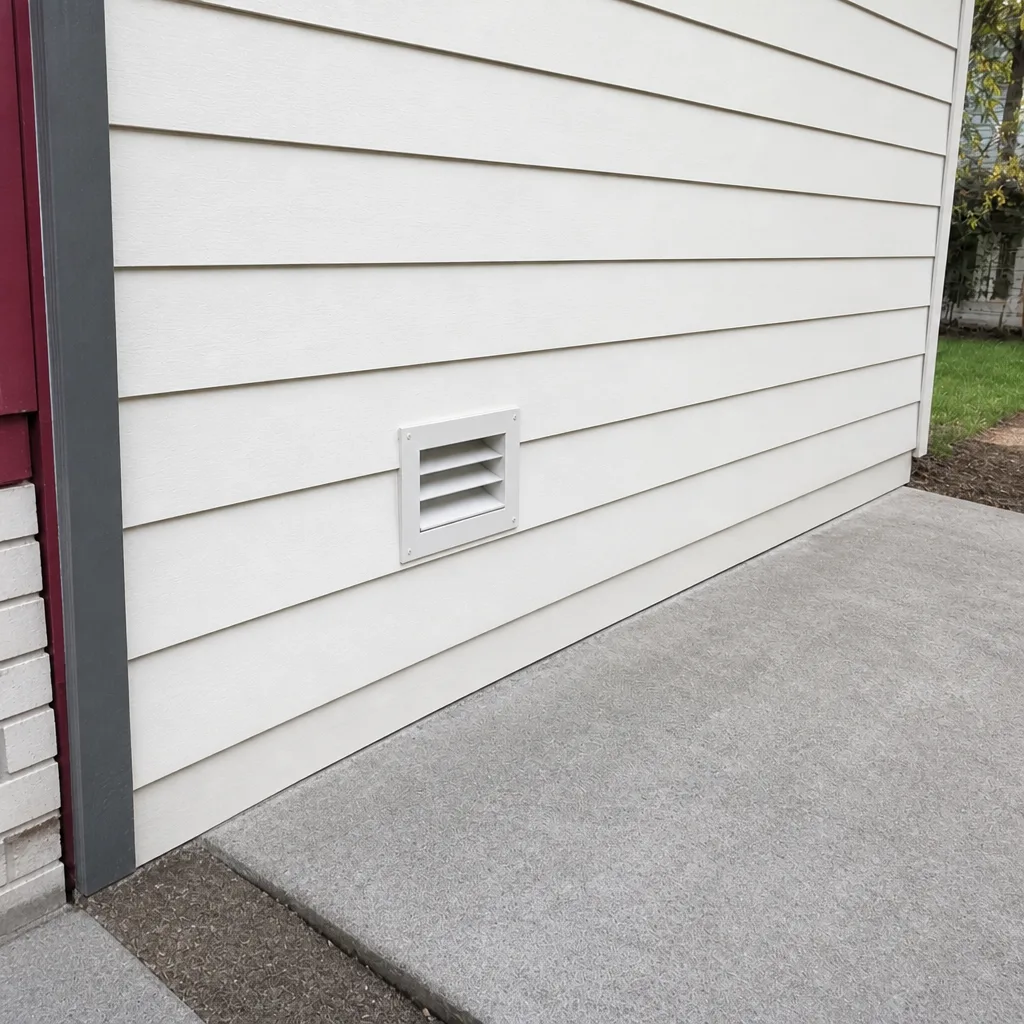 After
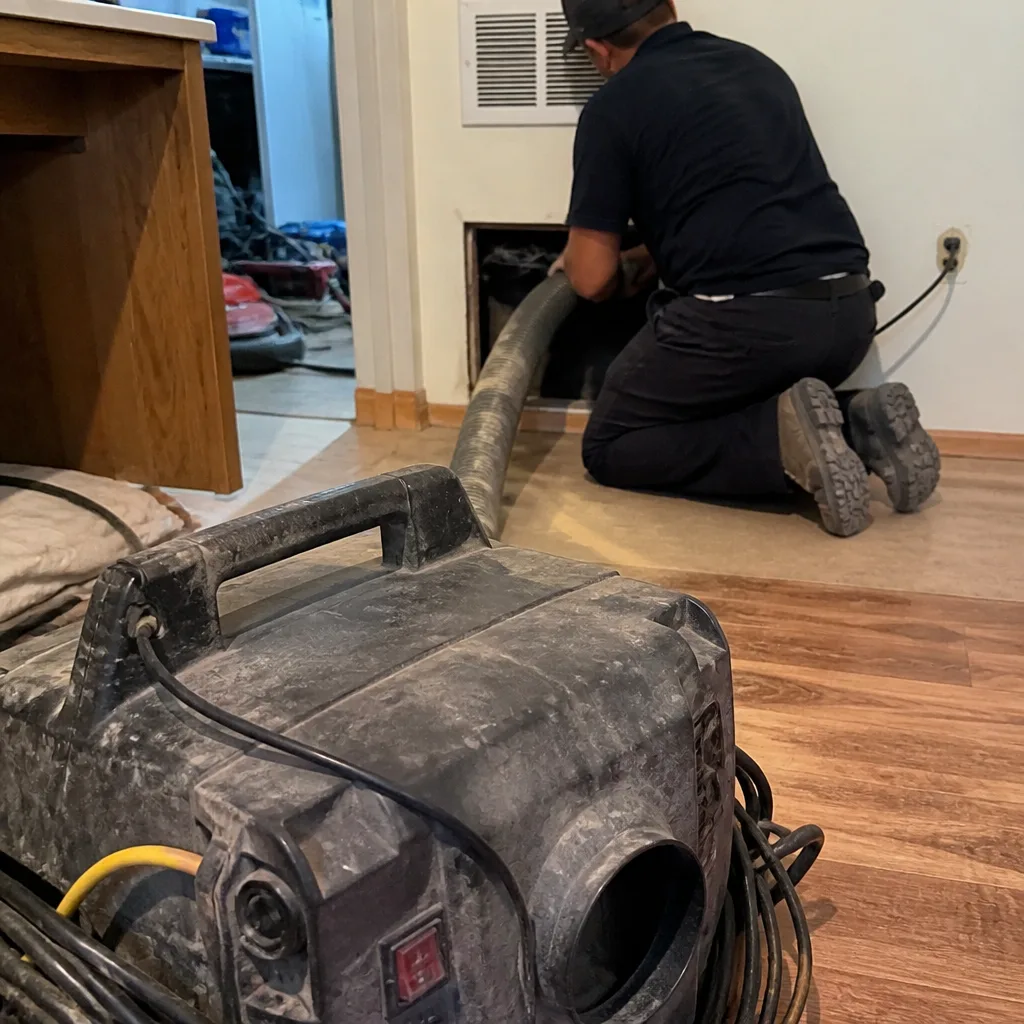 Before
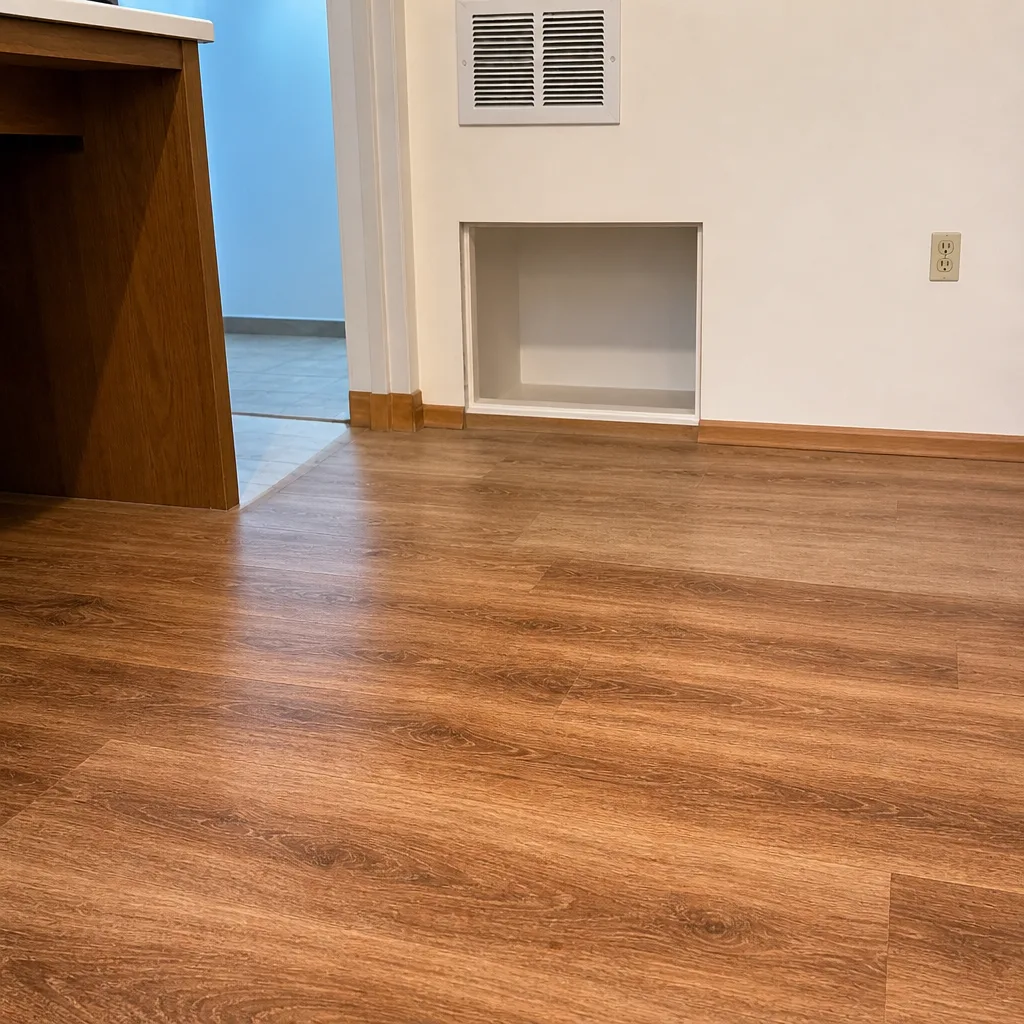 After
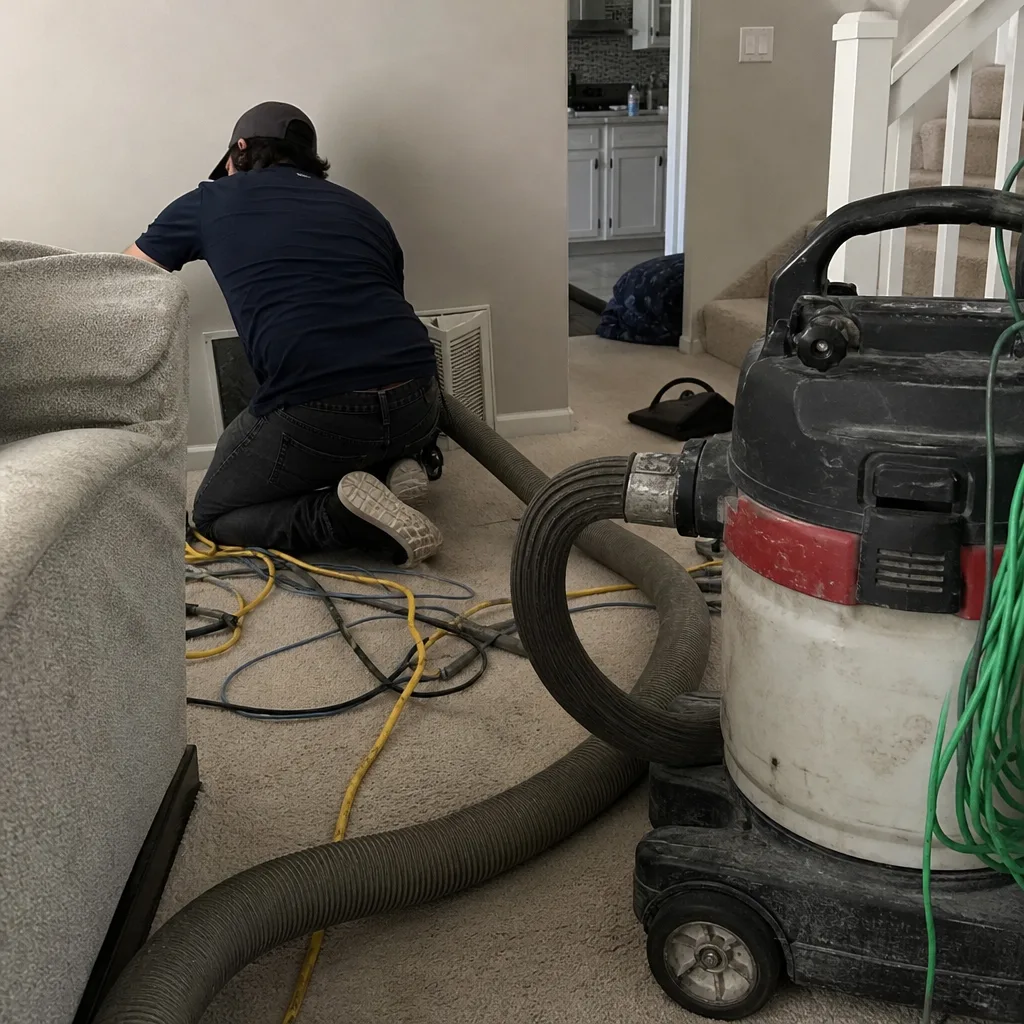 Before
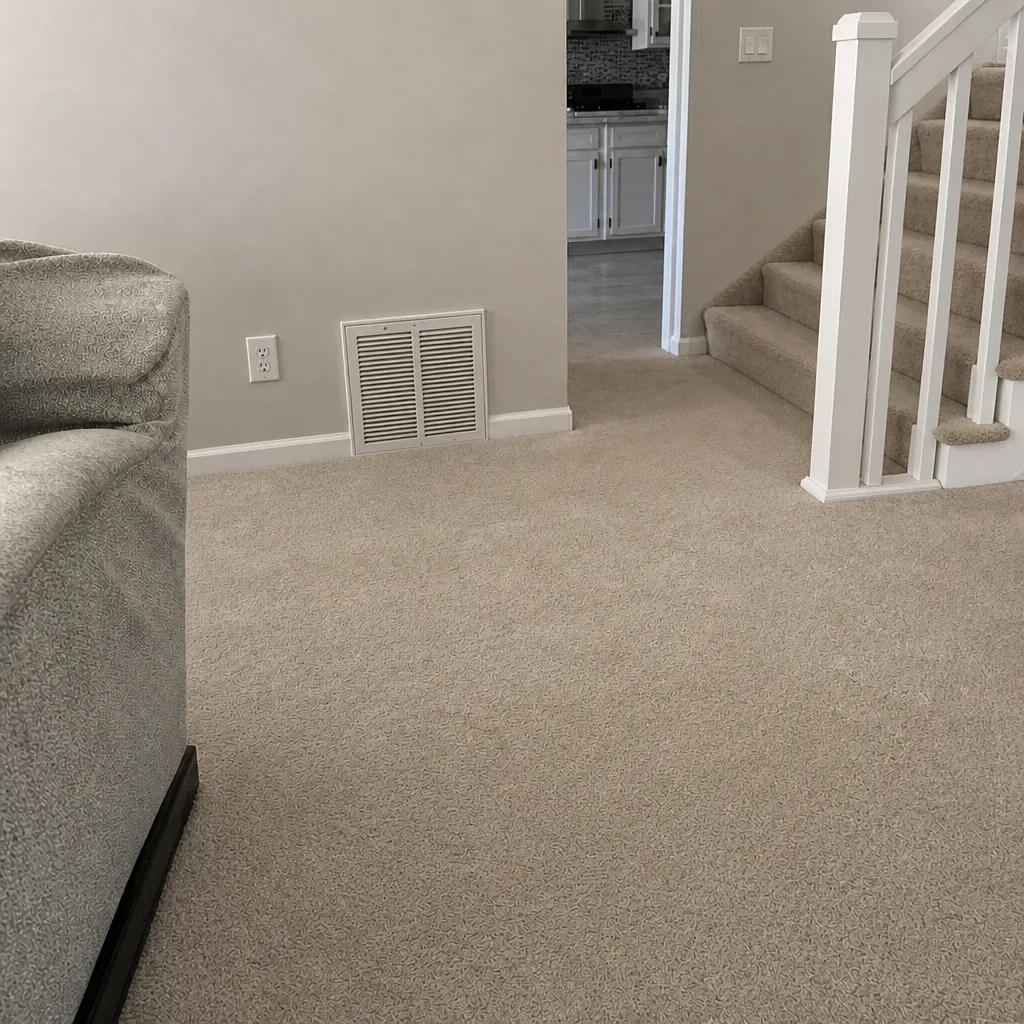 After
Common Mistakes to Avoid
- Running the HVAC system after a fire before lockout. Every cycle redistributes soot into rooms the restoration crew just cleaned. Turn it off at the breaker, not just the thermostat. Tag it so nobody turns it back on by accident.
- Skipping the documentation step before drying or cleaning. Once the evidence is gone, the claim is harder. Photograph everything before you touch anything.
- Replacing the filter and calling it done after a smoke event. A MERV-13 filter is the mitigation tool during the event. After a heavy smoke or fire event, the filter is the first line, not the whole job.
- Assuming a shop-vac will handle soot. Standard vacuums lack HEPA containment and can aerosolize fine particulates back into the air, which is exactly the problem you’re trying to solve. Professional negative-air equipment exists for a reason.
- Ignoring flex duct after water damage. Flex duct with a wet liner is a mold risk that usually can’t be cleaned out. Homes around the newer Thornton subdivisions with flex runs are especially prone to this because the ducts have less surface for moisture to escape from.
- Waiting past 48 hours on a water event. Mold colonization on wet duct surfaces begins within the two-day window. Calling on day four means the remediation scope has expanded.
- Trusting a written quote that lumps everything into one line. Post-emergency work needs an itemized estimate – cleaning, sanitizing, replacement, and any HVAC equipment work listed separately – or the adjuster can’t evaluate it.
When to Call a Professional
Some steps in this guide you can do yourself: locating the breaker, photographing the ducts, closing windows during a smoke event, swapping a filter. Other situations need a trained technician in the space.
Call a professional if any of these apply: the system ran after a fire or smoke event and the ducts have visible soot; water reached the ductwork and 48 hours have passed; the ducts are flex or duct board and got wet; there’s a persistent odor after a fire or flood; your insurer has requested a written duct assessment; or you’re moving into a home you know has had a prior fire or flood event. Those last two are often where documentation from a letterhead report actually matters.
Thornton Air Duct Cleaning offers free estimates in Thornton – call (866) 947-8149. We answer 24/7, with fast dispatch from 7am to 7pm, Sunday through Friday. Our technicians use professional-grade Rotobrush and Nikro systems with Abatement Technologies negative-air containment during contamination removal, so the work is done in a way that protects the rest of the house, not just the duct interior.
Frequently Asked Questions
Usually not, unless the event was multi-day with heavy smoke and the system ran continuously, or you can see grey film or soot at the return grilles. A single moderate smoke event with a MERV-13 filter in place typically doesn’t justify a full cleaning. If you’re unsure, a free estimate will tell you – call (866) 947-8149.
48 hours is the practical window. Mold can begin to colonize wet duct surfaces – especially flex duct liners and duct board – within two days of a moisture event. After that point, the scope shifts from cleaning to remediation, which costs more. Call us the same day the water is found.
Because smoke has two components: particulate (soot), which cleaning removes, and gas-phase volatile organic compounds (VOCs), which it doesn’t. Removing the smell requires air scrubbing, activated carbon, or a sanitizing treatment in addition to cleaning. Ask any company you hire how they handle VOCs, not just soot. We can walk you through it – call (866) 947-8149.
Photograph the interior of every accessible duct run, the plenum, the blower wheel, and the furnace filter before anything gets cleaned or removed. Then get a written assessment with a line-item estimate. Post-cleaning photos help close the claim. We provide written documentation specifically for this purpose, at no charge for the site visit.
Running the AC with a MERV-13 or higher filter is generally better than opening windows if the house is otherwise sealed. Running it with a standard fiberglass filter doesn’t accomplish much and can pull more particulates into the ductwork. If you don’t have a higher-MERV filter on hand, running the system on auto (not continuous fan) is the safer middle ground.
No. Even a contained fire pulls soot into the return system, and it’s the return where it accumulates fastest. A proper assessment costs nothing beyond the site visit and can prevent soot from getting pulled into a newly renovated room. Call (866) 947-8149 to schedule one. Estimates are free.
The Bottom Line
Emergency preparedness for your duct system comes down to three habits: know how to shut the system off, keep a MERV-13 filter on hand, and document everything before you touch it. After a fire, lock out the HVAC at the breaker before restoration begins. After a flood, treat 48 hours as the deadline. After a smoke event, check the returns and let the filter do its job. And when a claim is involved, get a written assessment with interior photos – it’s the difference between a smooth adjuster conversation and a fight.
None of this is complicated, but it has to be done in the right order. Thornton Air Duct Cleaning handles the full scope of the aftermath – air duct cleaning, sanitizing, sealing, and Thornton air duct cleaning consultations – and we can coordinate with your restoration contractor so the system doesn’t compromise the work. Call (866) 947-8149 for a free estimate. We answer 24/7. Fast dispatch from 7am to 7pm, Sunday through Friday.
Written by the team at Thornton Air Duct Cleaning.