
Last updated November 23, 2026
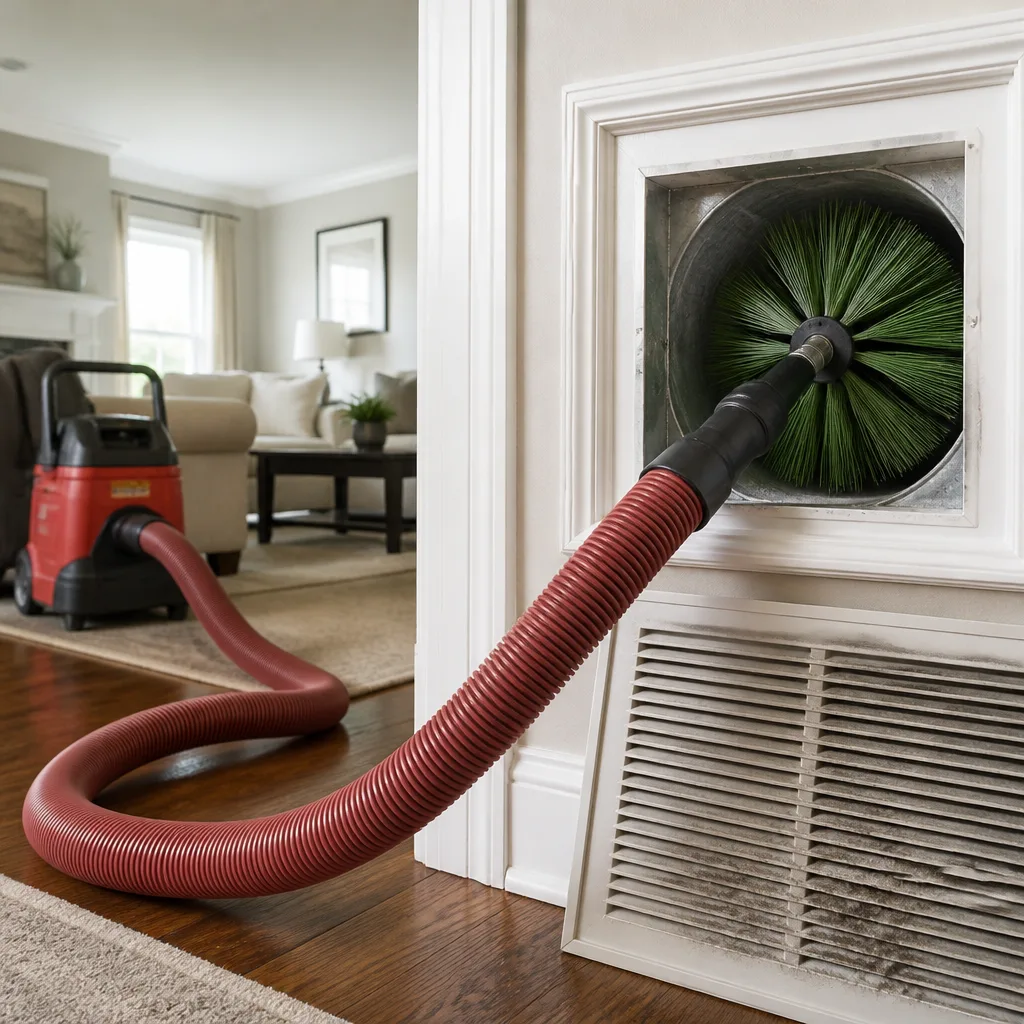 Whole-home duct cleaning
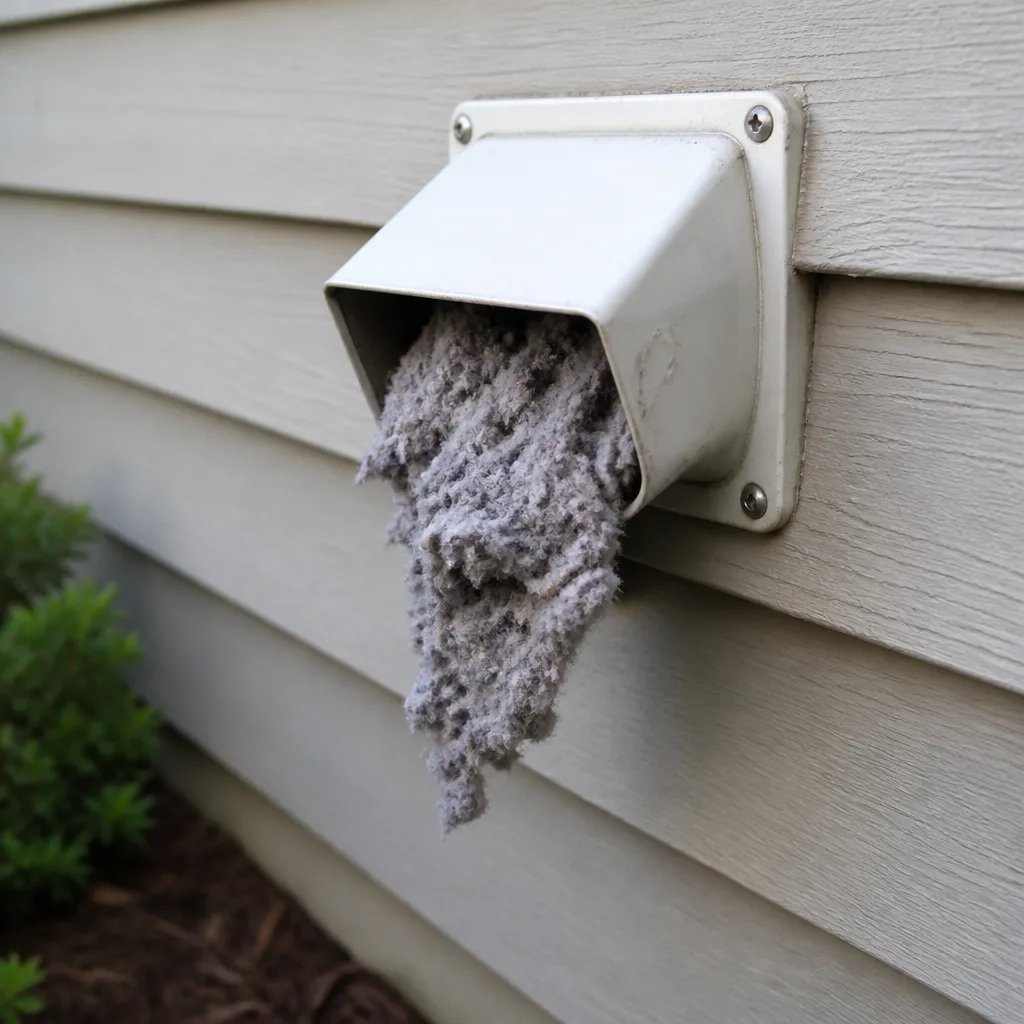 Dryer vent cleaning
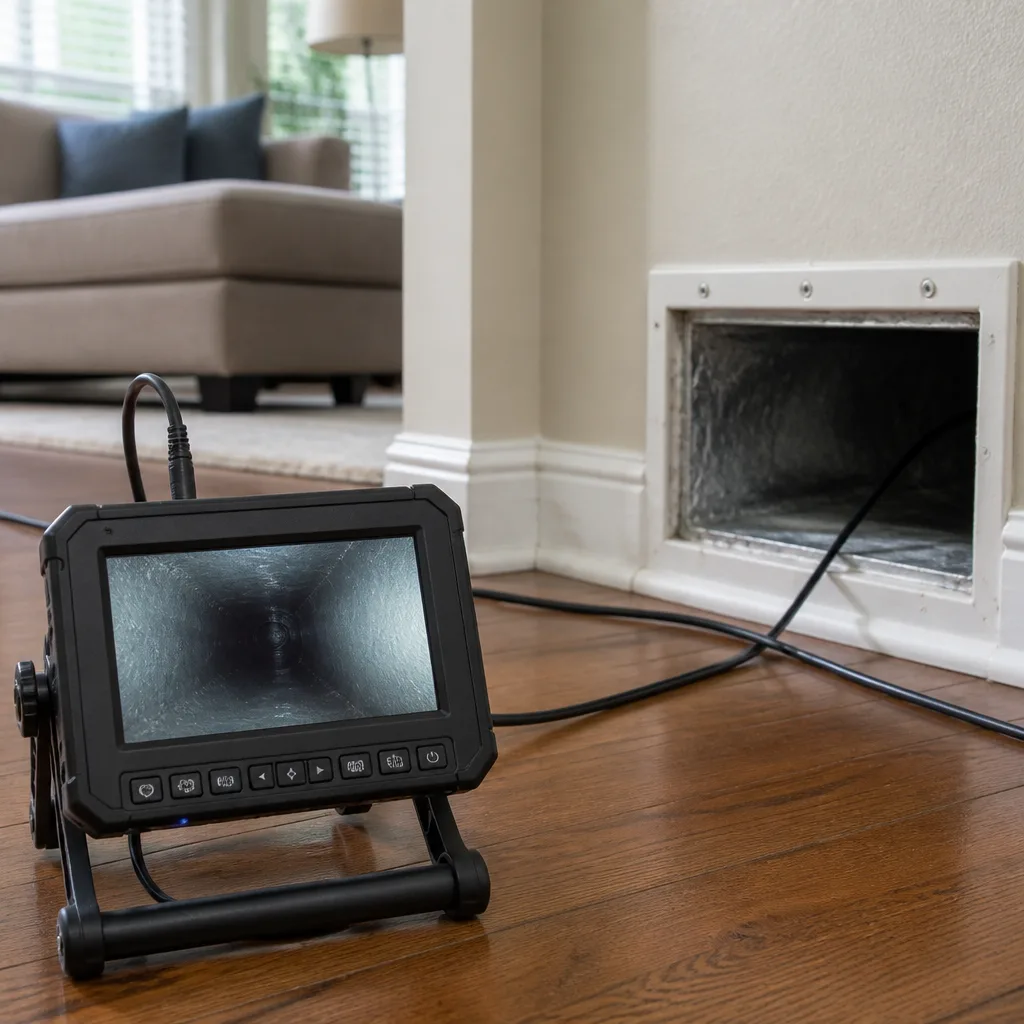 Camera inspection
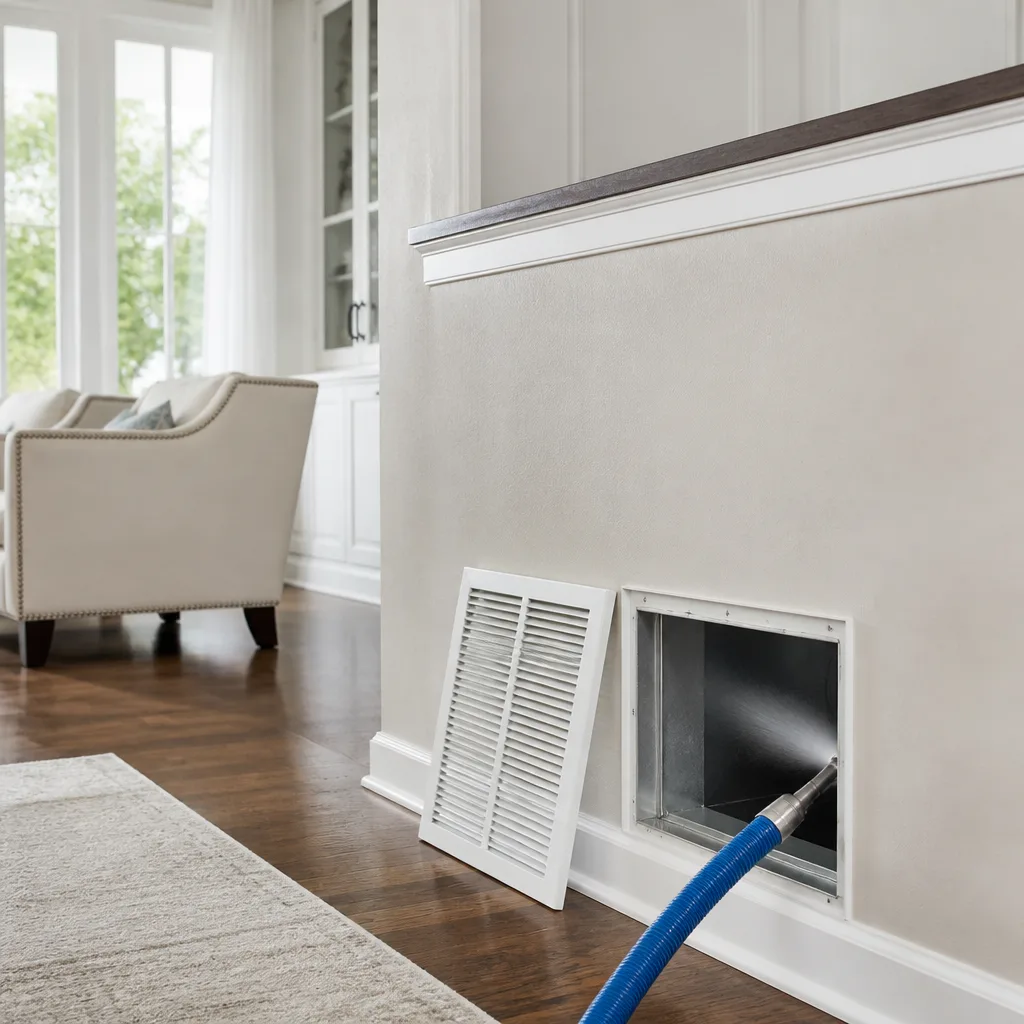 Sanitizing & deodorizing
Whole-system duct and dryer vent check with before-and-after photos - you see exactly what came out of your vents
That "$99 whole-house special" is a bait ad - the real number appears once they are in your hallway, or the "clean" is a shop-vac at the register. We photograph the inside of your ducts before and after instead.
Air Duct Cleaning Maintenance Checklist for Thornton Homeowners
Most duct cleaning marketing runs on a calendar: clean every year, no exceptions. The EPA’s actual guidance runs on conditions instead. Cleaning is recommended when there’s visible mold growth inside the ductwork, when ducts are infested with vermin, when they’re clogged with excessive debris, or when a family member’s health symptoms trace back to the home’s air. That’s a meaningful distinction, and it’s the one this guide is built around. What follows is a decision-based checklist for Thornton homeowners, not a schedule someone else set for you. You’ll learn which household events reset the clock, how to read the early signals your registers and filter slot are already giving you, and how to keep a maintenance record that makes every future visit faster and more accurate.
Quick Answer
Air ducts don’t need cleaning on a fixed annual schedule. They need cleaning when a specific trigger occurs: a renovation, a new pet, wildfire smoke season, water intrusion, an HVAC replacement, or visible debris and mold at the registers and filter slot. For most Thornton homes, that works out to a real cleaning every three to five years, with filter changes every one to three months depending on MERV rating, pets, and how often the system runs. The checklist below turns that into something you can actually follow.
Styles & brands we work with
- Whole-home duct cleaning
- Dryer vent cleaning
- Camera inspection
- Sanitizing & deodorizing
Table of Contents
- Event Triggers That Reset the Clock
- Thornton-Specific Triggers: Smoke Season, Construction Dust, and Wind
- What You Can Inspect Yourself at Registers and the Filter Slot
- Filter Changes as Your Leading Indicator
- Building a Simple Maintenance Log
- A Seasonal Walk-Through Checklist
- What a Professional Visit Actually Involves
- When You Don’t Need a Cleaning
Event Triggers That Reset the Clock
Instead of asking “how long has it been,” ask “what’s happened to this house since the last cleaning.” A duct system that’s been quietly circulating air through a settled, low-traffic home is a different system from one that just lived through a kitchen remodel. The events below are the ones that matter most, and each one restarts your clock regardless of where it was.
- Renovation or remodeling. Drywall dust is fine enough to travel past filter media and settle deep in the trunk line and branch runs. Any project that involved sanding, cutting, or demolition is a reset event.
- A new pet. Dander and hair load the return side faster than most homeowners expect. If you’ve added a dog or cat, plan a filter check within the first month, then reassess.
- Smoke or fire anywhere in the home. Even a contained kitchen fire leaves odor and fine particulate in the system. Cleaning plus an air quality treatment is usually the right combination here, not cleaning alone.
- HVAC replacement or major repair. When the equipment comes out and goes back in, debris gets disturbed. It’s the most efficient time to clean, because the system is already open.
- Water intrusion. A slow leak, a flooded basement, or a roof failure near a return can wet insulation inside the duct. Wet insulation is the one condition that genuinely warrants prompt attention, because it can support mold growth.
If more than one of those has happened since your last service, you’re past due regardless of the calendar. If none have, and nothing visible concerns you, waiting is a reasonable choice. Thornton’s housing mix – a lot of homes built through the 1990s and 2000s with flexible duct in the attic – means renovation dust and attic ductwork are common companions here.
Thornton-Specific Triggers: Smoke Season, Construction Dust, and Wind
Thornton sits on the Front Range, and that geography carries specific seasonal pressures that most generic checklists ignore entirely. If you moved here from somewhere with cleaner air and a milder dust load, your old habits won’t match this climate.
Wildfire smoke season
Smoke from regional fires moves in on the same weather patterns that bring our summer haze, and it doesn’t stay outside. When the Air Quality Index climbs for days at a stretch, your system is pulling that fine particulate through the filter and depositing a fraction of it in the ductwork. A single smoky week isn’t a reset event. A smoke season with several sustained episodes, especially if you run the fan continuously during them, is worth noting on your log. Odor that lingers after the smoke clears is the signal that the particulate has settled in.
Spring construction dust
Late winter and early spring in the north metro area bring both new home construction and a lot of renovation work on older properties. If you live near an active building site, or your own home has been under construction, you already know how far that dust travels. Wind from the west along the Front Range corridor picks up loose soil and fine sediment from open lots and pushes it against the house, and it finds its way in through every gap in the envelope. Your return ducts pull it into the system.
Sustained wind events
The Front Range produces wind events strong enough to drive dust through weatherstripping and around doors. Those events don’t require a cleaning after each one, but a season with repeated high-wind episodes is a legitimate entry in the log, particularly for homes with attic ductwork that has any compromised connections. Loose joints let that dust into the attic space, where it doesn’t belong.
We’ve seen this pattern play out across Thornton neighborhoods like Eastlake and Original Thornton, where older housing stock and nearby redevelopment sit close together. The dust load isn’t imaginary. It’s seasonal, and it’s addressable.
What You Can Inspect Yourself at Registers and the Filter Slot
You don’t need a scope to get useful information. A flashlight and five minutes at a handful of registers will tell you whether a professional visit is worth booking. Here’s the visual check, in order:
- Pull a supply register cover and look inside. A thin, even film of dust is normal. What matters is accumulation: a visible layer coating the duct wall, dust falling away in clumps, or a dark band near the boot.
- Check for color changes. Gray-brown dust is expected. Black or green-black staining that looks like it’s growing into the surface deserves a professional assessment, not a spray bottle.
- Smell the supply air after the system has been running for a few minutes. Musty or earthy odor points toward moisture. A sharp, stale odor points toward settled organic debris.
- Look at the return grille and the filter slot. A filter slot caked with dust means the filter isn’t sealing properly, and unfiltered air has been bypassing it for a while.
- Check the register closest to your air handler first. It reflects the trunk line condition most directly, and it’s usually the dirtiest register in the house.
What this tells you: heavy, repeated accumulation in the trunk line, visible growth, or persistent odor are all signals to bring someone in. Light, uniform dust on a register face is not. That’s just air moving, and every ducted system does it. The honest answer to “should I clean my ducts” is often no, and a quick visual inspection is how you get there without guessing.
Filter Changes as Your Leading Indicator
Your filter is the best diagnostic tool you own, and it costs almost nothing to read. How fast it loads tells you how much debris is entering the system from your living space. If a filter that used to last three months is now gray at four weeks, something changed: a new pet, a renovation, a return leak pulling attic air, or a wind season that pushed more sediment in.
MERV rating and change interval go together. Higher MERV doesn’t mean better in every case, because a filter too restrictive for your blower will reduce airflow and strain the equipment.
- MERV 8: a solid default for most Thornton homes. Change every 2 to 3 months, or monthly during heavy dust and smoke periods.
- MERV 11: reasonable if anyone in the home has allergies, and if your system’s blower can handle the added resistance. Change every 2 to 3 months.
- MERV 13: higher filtration, more airflow restriction. Use it with the understanding that it loads faster, and check it monthly until you learn your home’s pattern.
- MERV 16 and above: usually for healthcare or specialty applications, and not a typical residential choice without a blower assessment.
The pattern is what matters, not the number on the box. Start a note when you install a filter, write down the date, and check it monthly. After two filter cycles you’ll know your home’s real interval, and you’ll also know when the system is loading faster than it should. That’s your early warning for a return leak or an open duct joint. For the component that handles this filtration and distribution hardware, regular HVAC cleaning keeps the blower and coil from compounding the problem.
Building a Simple Maintenance Log
A maintenance log is the single highest-value thing you can do as a Thornton homeowner, and it doesn’t take a spreadsheet. A notebook stuck to the side of the air handler works fine. The point is that the next technician – whoever that is – can see what’s actually happened to the system, and you can spot patterns that are invisible in the moment.
Log these entries, each with a date:
- Filter installations. Brand, MERV rating, date installed. This is your baseline.
- Event triggers. Renovation start and finish, new pet, water intrusion, HVAC work, smoke episodes bad enough that you kept windows shut for days.
- Visual inspection notes. Which registers you checked and what you saw. A quick phone photo at each check tells the story better than words.
- Odor observations. Any time you notice musty or stale air, note the date and where you noticed it. Odor events cluster around moisture, and clustering matters.
- Every professional visit. What was cleaned, what was found, what was repaired. If the technician notes a loose joint or a compromised section that wasn’t fixed, write it down.
Here’s why this pays off: duct work is out of sight, and memory is unreliable. A log turns “I think it’s been a few years” into “last cleaned after the kitchen remodel, filters loading faster since spring, one register with visible growth.” That’s a technician who can bring the right equipment and the right scope to the first visit instead of the second. It’s also how you avoid paying twice for the same diagnosis. If repairing or sealing connections is on the list, that’s a job for air duct cleaning followed by Duct Repair & Sealing, because cleaning a leaking system is only half the fix.
A Seasonal Walk-Through Checklist
Rather than a cleaning schedule, run a short inspection seasonally. This one takes twenty minutes and gives you the year’s picture in four passes.
Spring
- Replace the filter after the heating season, since a winter’s worth of load is now in the media.
- Walk the register count and confirm each one is open, unobstructed, and showing normal dust.
- Check for any water staining near the air handler, return chases, or attic ductwork.
- Note nearby construction or redevelopment on your log – it affects the year’s dust load.
Summer
- Watch the smoke and air quality reports. On sustained smoky days, run the system with a fresh filter and keep windows shut.
- Check the filter monthly during smoke season rather than at the usual interval.
- Listen at the registers for whistling or a hiss that wasn’t there last summer, which can mean a loose joint.
Fall
- Replace the filter before heating season begins.
- Inspect attic-accessible duct connections for sagging, torn insulation, or disconnected sections.
- If you’ve had a renovation that year, this is the natural point to schedule an assessment.
Winter
- Watch for dry, dusty air and static, which often point to overall system load rather than a specific fault.
- Note any musty smell when the heat first comes on – that first-cycle odor can reveal moisture in the system.
- Update the log with the year’s events so the next inspection has a starting point.
What a Professional Visit Actually Involves
When a professional cleaning is warranted, it should look and sound a specific way. Knowing the steps tells you what to expect and what questions to ask. Our own approach, using professional-grade Rotobrush and Nikro equipment rather than consumer tools, follows a defined sequence.
- Inspection and containment. The technician sets up negative-air containment before any debris is disturbed, so loosened particulate goes into the machine and not into your living room. On the sanitizing side, that’s the role of Abatement Technologies equipment, the standard for proper containment during contamination removal.
- Mechanical cleaning of the entire system, including the trunk line, branch runs, and register boots, not just the visible registers.
- Source cleaning where relevant, including the blower and coil surfaces that feed the ductwork.
- Verification. Before-and-after photos of your own system should be part of the visit. You shouldn’t have to take the technician’s word for it.
- Repair and sealing of any compromised joints or torn insulation found during the process. Cleaning without sealing leaves the leak that pulled debris in to begin with.
If indoor air quality is the underlying concern, the visit can extend further: air sanitizing with Guardsman-grade products, or a whole-home solution using Aprilaire or Honeywell filtration and humidity hardware that we supply and install. One specialist for the whole system – cleaning, repair, sealing, and air quality – is the alternative to calling three different vendors who each handle a slice.
Your dryer vent deserves the same treatment, since lint accumulation in that exhaust path is a separate and more urgent fire risk. Annual dryer vent cleaning is a reasonable default, and the inspection takes minutes.
When You Don’t Need a Cleaning
Here’s the part most duct cleaning pages omit: often, the honest answer is that you don’t need service yet. You don’t need a cleaning on a timer, you don’t need one because a coupon arrived, and you don’t need one because someone told you every home should be cleaned annually. If your registers show light, even dust; your filters are lasting their normal interval; there’s no visible growth, no odor, and no recent trigger event, then your system is doing what it should.
The other thing you don’t need is a per-vent price that grows the moment a technician is standing in your hallway. That’s the bait-and-switch pattern this industry earned a reputation for, and it’s worth naming. A trustworthy visit is priced per system, agreed before work begins, with before-and-after photos at the end. If a quote arrives as a low coupon figure that turns into something far larger on site, that’s the pattern to walk away from.
What you should do instead is keep inspecting. A log with four checkpoints a year, your filter intervals, and the event triggers we covered above will tell you when the system has crossed the line. When it does, you’ll know it, and you’ll have the record to prove it.
Common Mistakes to Avoid
- Cleaning on a fixed calendar instead of a condition. An annual cleaning every year in a low-load home is money spent on a problem you don’t have. Read the triggers instead.
- Ignoring the filter slot. A filter that doesn’t seal is a bypass route for unfiltered air, and the slot itself will show the evidence. Check the fit, not just the media.
- Treating registers as the whole system. Wiping down a register cover does nothing for the trunk line behind it. The dirt that matters is the dirt you can’t reach.
- Putting off water intrusion. In Thornton’s climate, a slow leak near attic ductwork can wet insulation and stay wet. That’s the one condition that warrants prompt attention.
- Skipping sealing after cleaning. Cleaning a leaking system only resets it for the leak to reload. Repair and sealing are what make the cleaning hold.
- Choosing a quote on price alone. The gap between quotes is usually equipment and scope, not margin. Professional-grade equipment and containment cost more than an improvised shop vac approach.
- Not keeping a record. Without a log, every visit starts from zero, and you pay for diagnostics twice.
See the difference
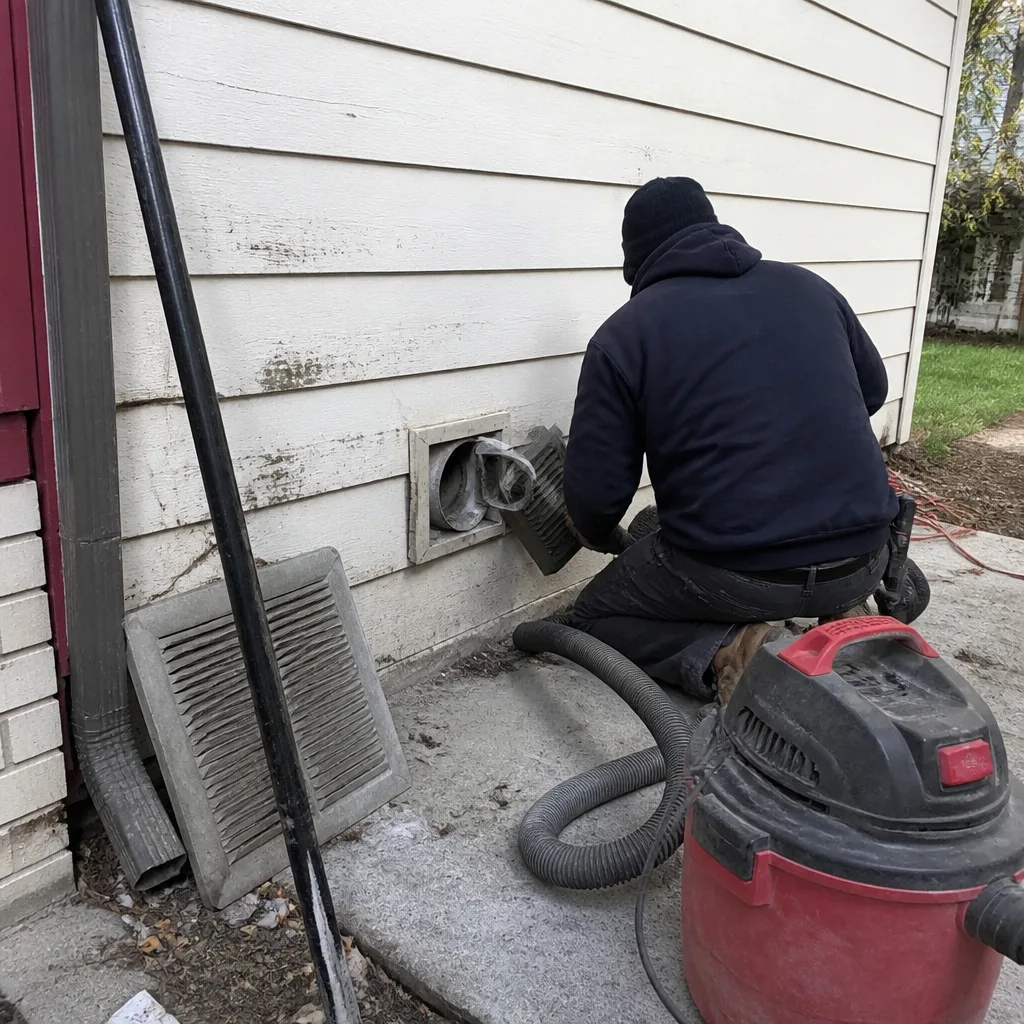 Before
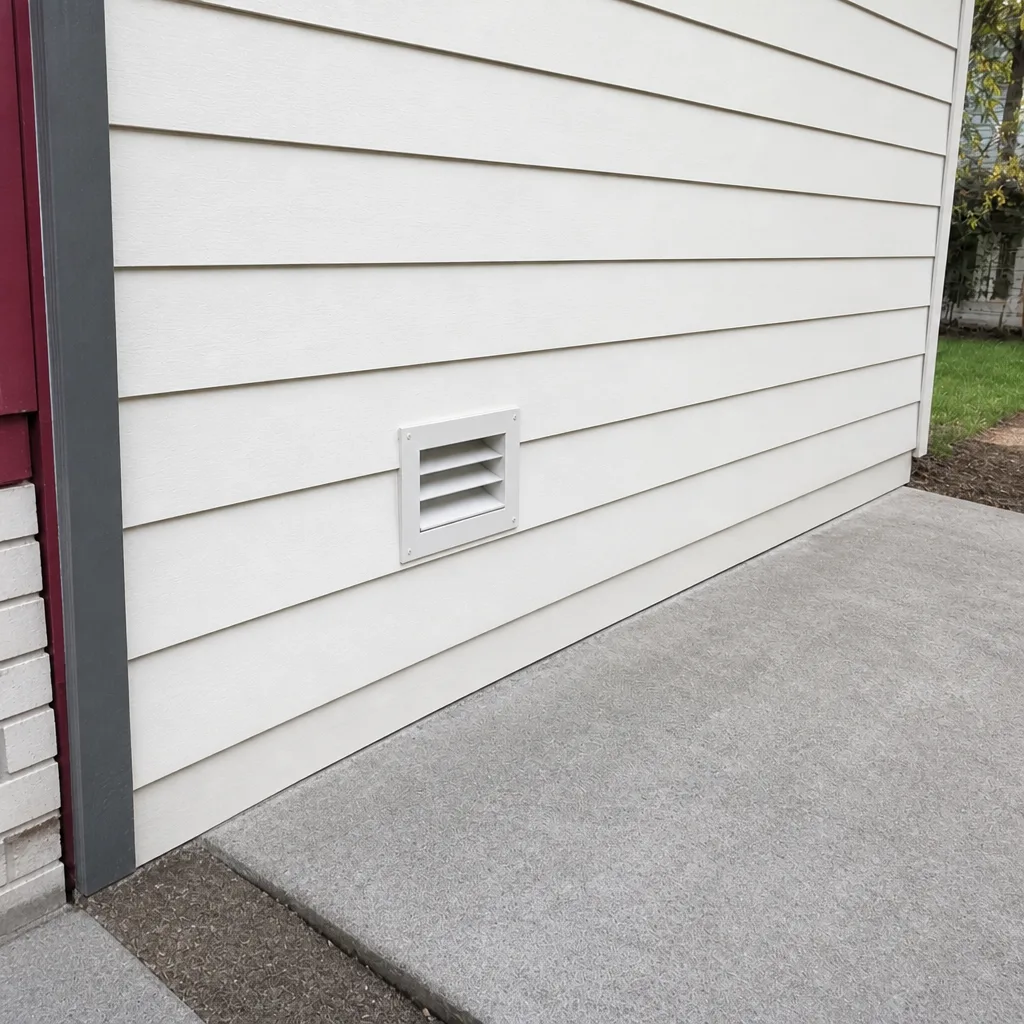 After
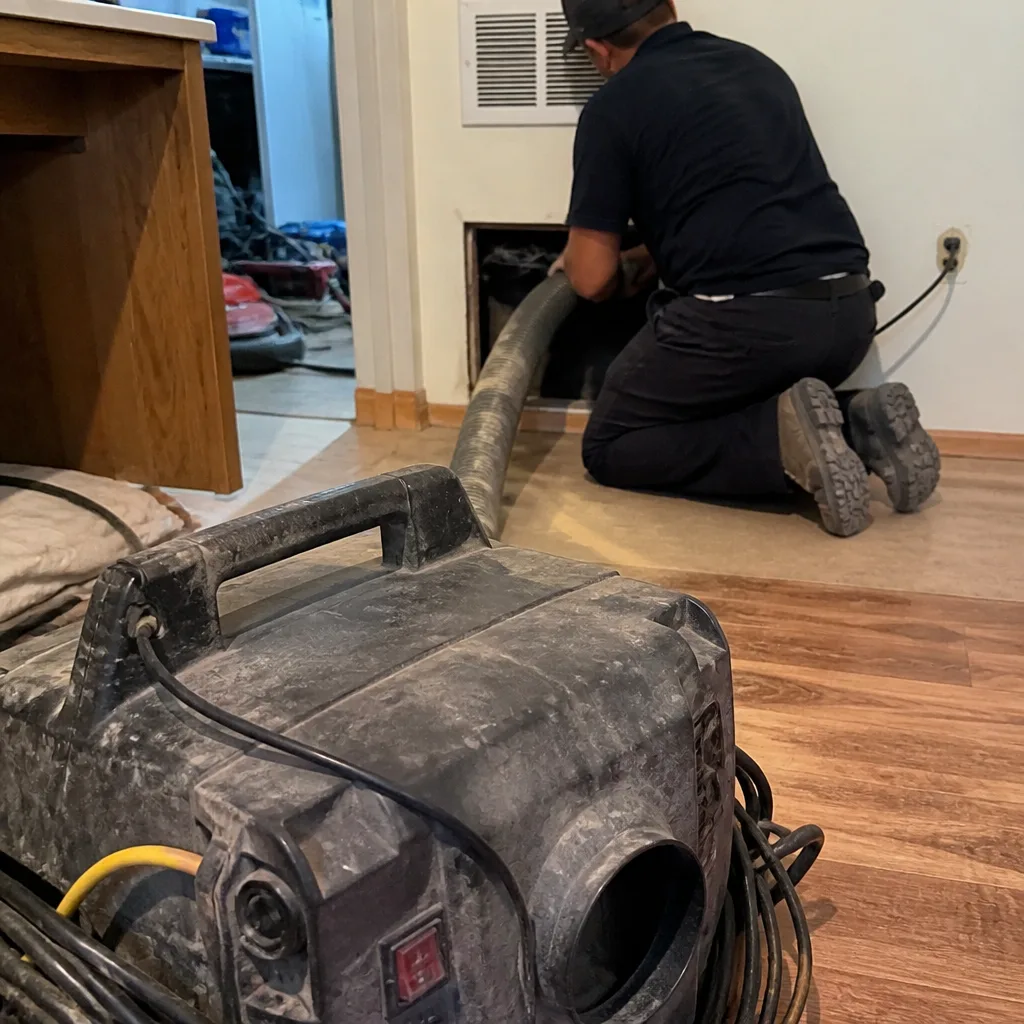 Before
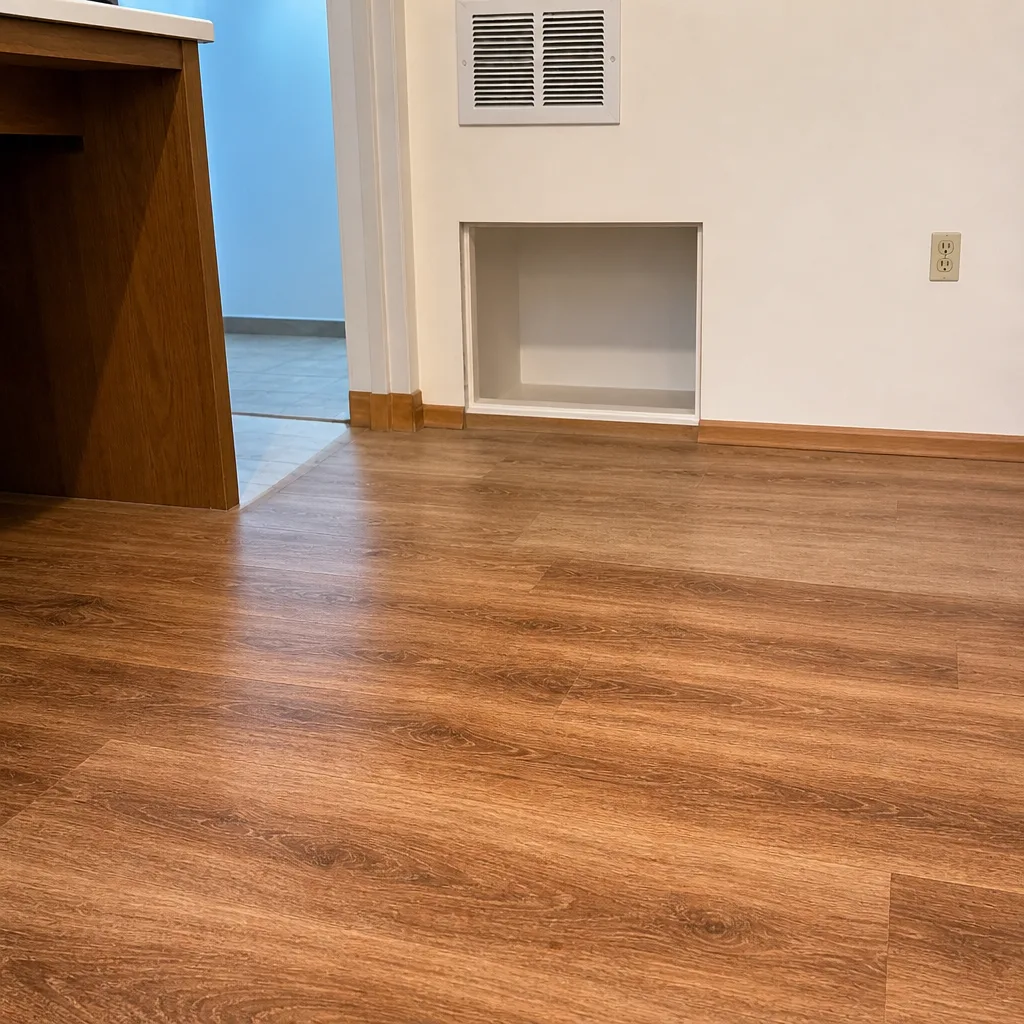 After
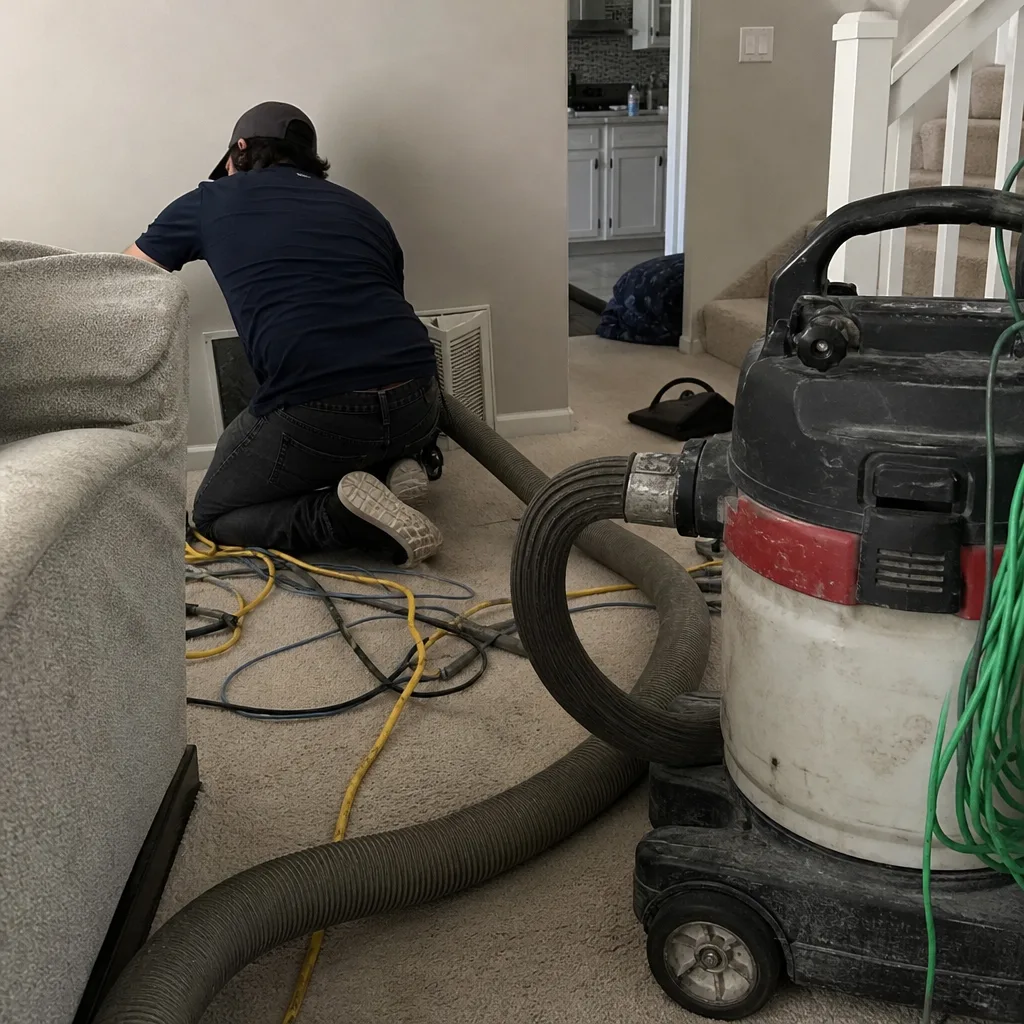 Before
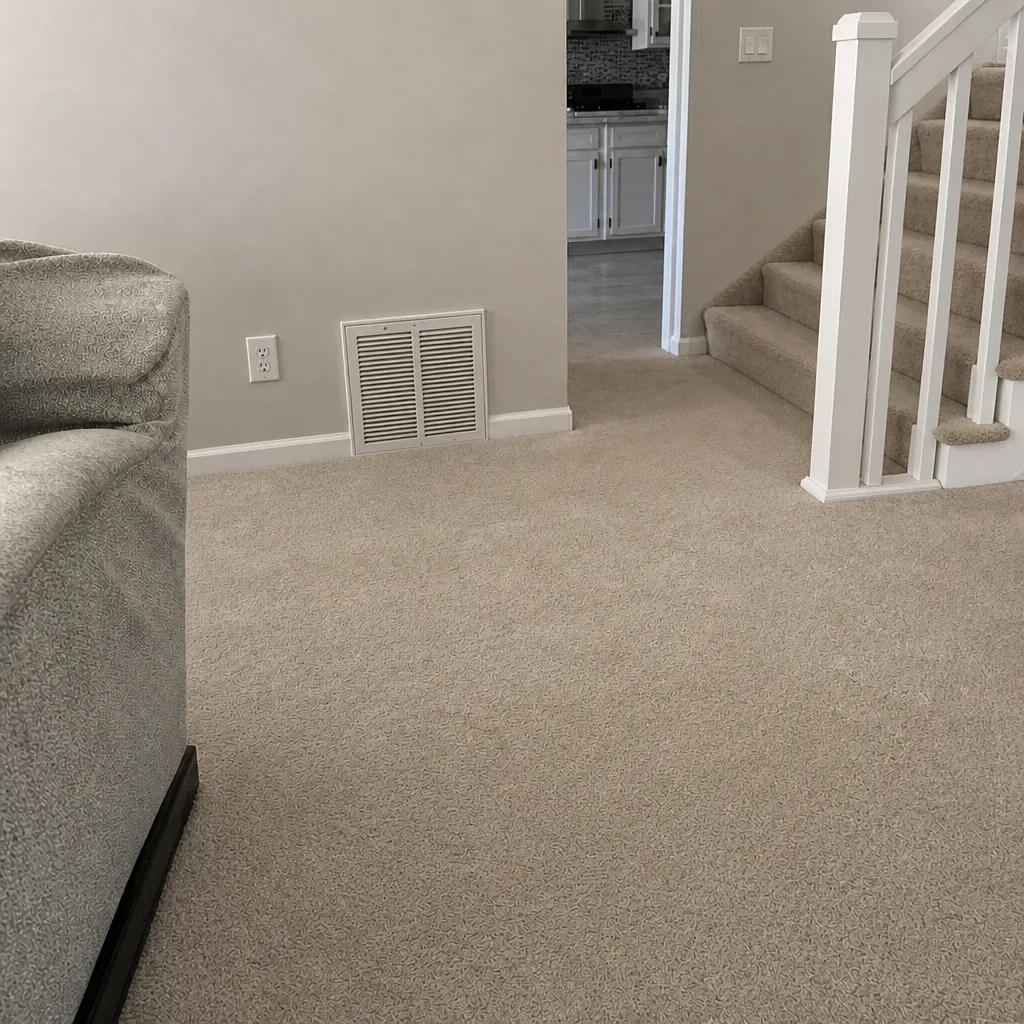 After
When to Call a Professional
Call a professional when you see visible growth, heavy accumulation in the trunk line, persistent musty or stale odor, or any water intrusion near the ductwork. Call after a renovation, a fire, an HVAC replacement, or a smoke season that left lingering odor. Call if a family member’s symptoms consistently improve when they’re away from the house – that’s a pattern worth investigating. And call if your filters are loading faster than they used to, because that’s an early signal of a return leak or a disconnected joint that a visual check won’t find. Thornton Air Duct Cleaning offers free estimates in Thornton – call (866) 947-8149 for an honest assessment of whether you actually need service.
Frequently Asked Questions
There’s no fixed interval. Most Thornton homes need a real cleaning every three to five years, and that number moves based on trigger events – renovation, pets, smoke season, water intrusion, or HVAC work. A home with none of those can go longer; a home that just remodeled the kitchen should be assessed right away.
No. That recommendation comes from marketing, not from air quality guidance, which ties cleaning to specific conditions like visible mold, vermin, excessive debris, or health symptoms traced to the home. If none of those apply and nothing visible concerns you, you don’t need service this year.
Check the register closest to your air handler first, then the filter slot. Heavy, repeated accumulation, visible growth, persistent odor, or a filter that’s loading much faster than it used to are all reasons to bring in a professional. Light, even dust on a register face is normal and isn’t a signal.
Yes, fine particulate moves with the air your system pulls in, and a fraction of it settles in the ductwork. A single smoky day isn’t a reset event, but a smoke season with several sustained episodes – especially if you ran the fan continuously – is worth logging and reassessing afterward.
MERV 8 is a solid default for most homes here, with a change every two to three months. MERV 11 is reasonable if allergies are a concern and your blower handles it. Be cautious with MERV 13 and above, because higher filtration restricts airflow, and a filter too restrictive for your equipment does more harm than good.
Ask for before-and-after photos of your own system. A professional visit priced per system, agreed before work begins, with documentation at the end, is the standard to expect. Call (866) 947-8149 for an exact quote – estimates are free.
The Bottom Line
Air duct maintenance in Thornton is a decision process, not a schedule. Read the triggers: renovation, new pets, smoke or fire events, HVAC replacement, water intrusion, and the seasonal pressures of Front Range wildfire smoke and construction dust. Watch your filters as the leading indicator, inspect registers and the filter slot with a flashlight, and keep a dated log that makes every professional visit accurate. When service is warranted, get one flat price per system agreed before work starts, and expect before-and-after proof when it’s done. That’s how you spend money on the problem you have, not on a calendar someone else set.
Call (866) 947-8149 for a free estimate. We answer 24/7. Fast dispatch from 7am to 7pm, Sunday through Friday. One specialist for the whole system, from cleaning and sealing to air quality solutions installed and backed with Honeywell and Aprilaire products. Whether you’re a homeowner in Original Thornton or a property manager looking after a portfolio across the north metro, we can walk through the checklist with you and tell you honestly whether it’s time. Start with Thornton Air Duct Cleaning for the full scope of what we do.
Written by the team at Thornton Air Duct Cleaning.