
Last updated November 23, 2026
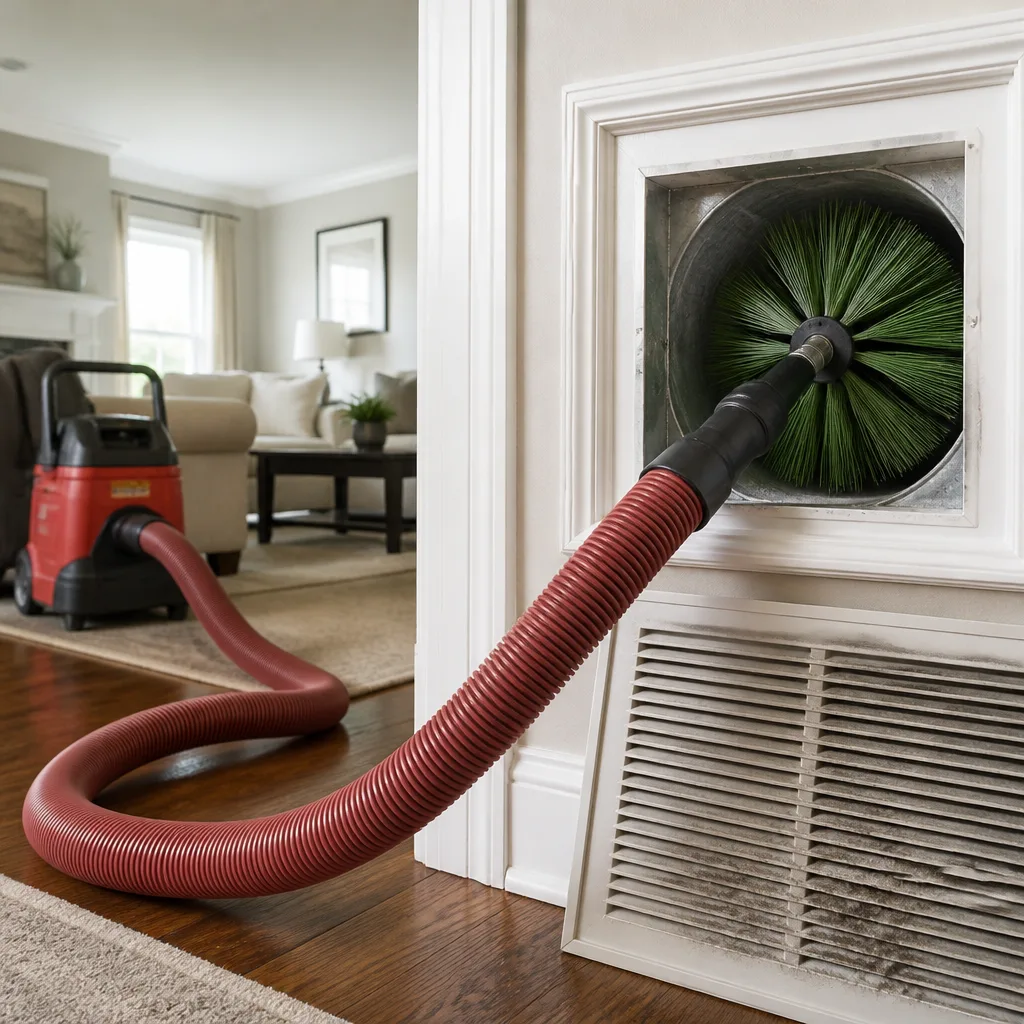 Whole-home duct cleaning
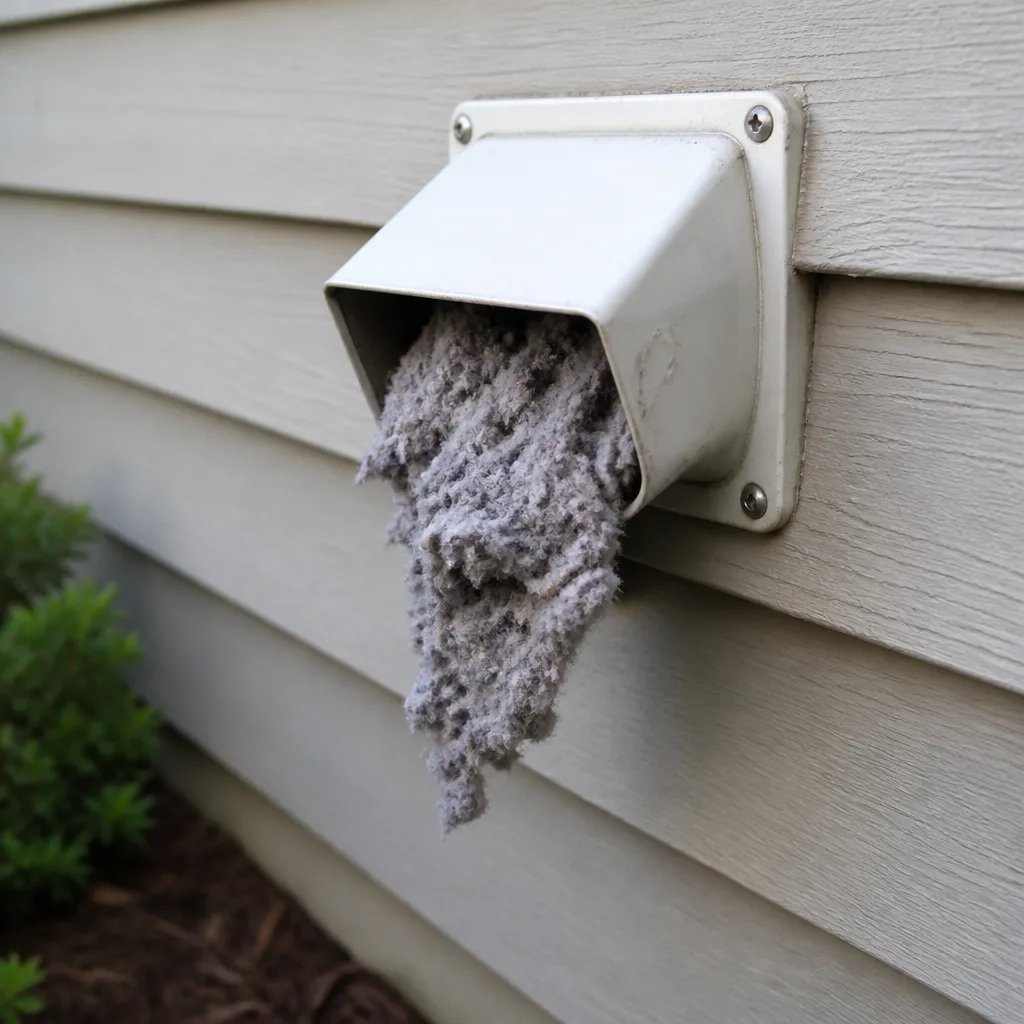 Dryer vent cleaning
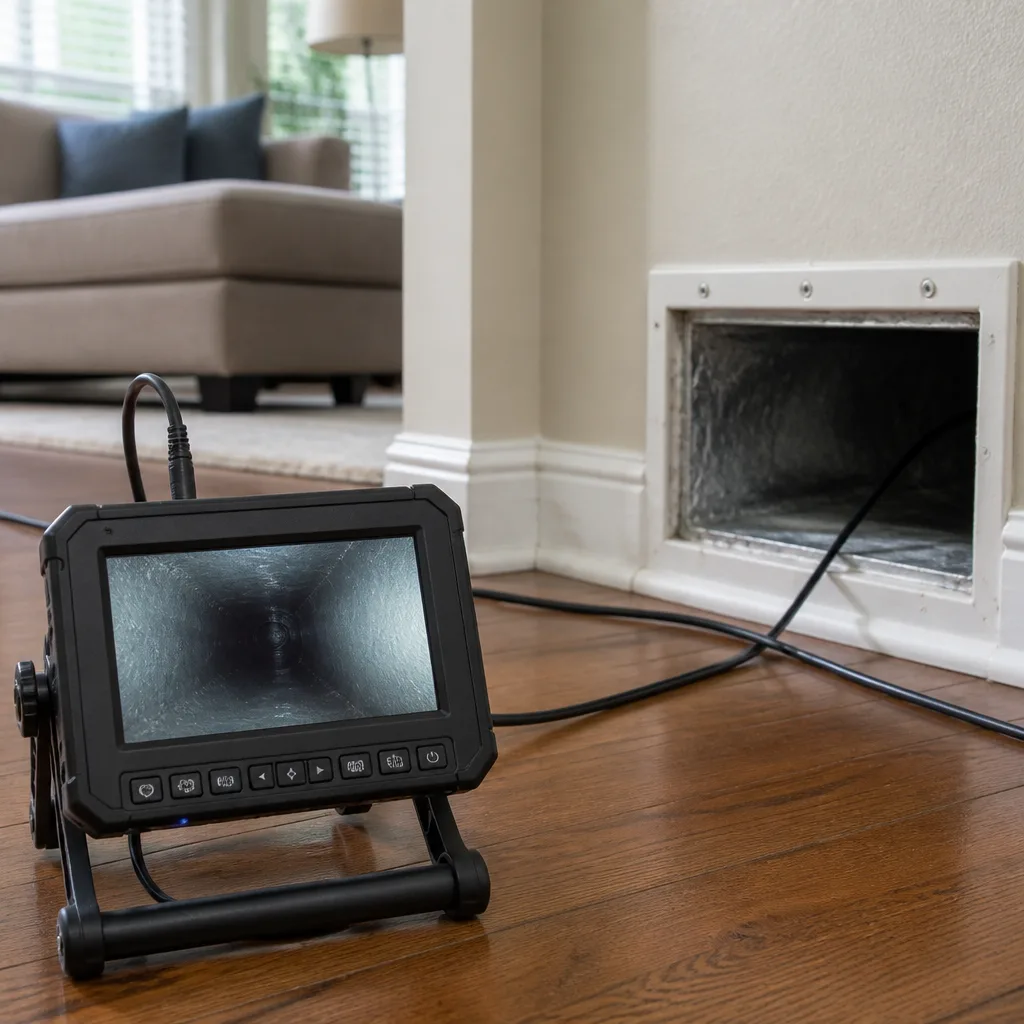 Camera inspection
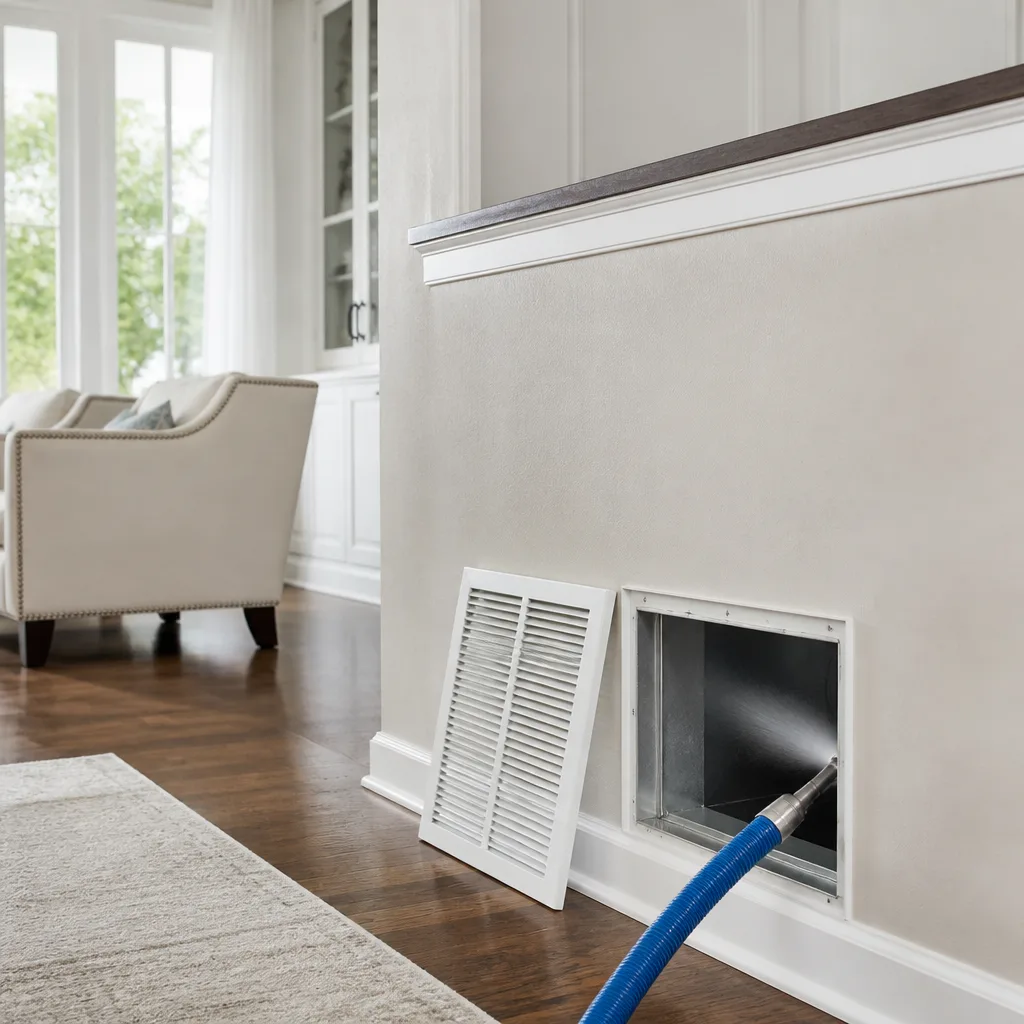 Sanitizing & deodorizing
Whole-system duct and dryer vent check with before-and-after photos - you see exactly what came out of your vents
That "$99 whole-house special" is a bait ad - the real number appears once they are in your hallway, or the "clean" is a shop-vac at the register. We photograph the inside of your ducts before and after instead.
The Complete Guide to Air Duct Cleaning in Thornton
Most duct cleaning in Colorado stops at the vent. A crew pulls up, runs a brush through the registers they can reach, and leaves. Nobody inspects the system before the work, and nobody confirms the result after it. You end up paying for a process rather than a verified outcome, and the dust that settled back into the trunk line is still there six months later. That gap between what a cheap job delivers and what a real one requires is the whole point of this guide. We’ll walk through how Thornton’s high-altitude, semi-arid climate changes what accumulates in your ducts, what a genuinely complete cleaning scope covers, how to read an inspection report, and when cleaning should be bundled with repair or sanitizing instead of sold on its own. By the end you’ll know exactly what to ask before anyone touches your system.
Quick Answer
Air duct cleaning in Thornton is a full-system process, not a vent-by-vent sweep. A legitimate job means mechanical cleaning of supply lines, return lines, the air handler, coil, and drain pan, plus a pre-inspection report and a post-cleaning verification step that confirms what was actually removed. In our experience, jobs that skip the post-inspection are the ones homeowners end up repeating within a couple of years.
Styles & brands we work with
- Whole-home duct cleaning
- Dryer vent cleaning
- Camera inspection
- Sanitizing & deodorizing
Table of Contents
- Why Thornton’s Climate Accelerates Duct Contamination
- Source Removal vs. Blow-and-Go: The Mechanical Difference
- What a Full-System Cleaning Actually Covers
- How to Read a Pre- and Post-Inspection Report
- When to Bundle Cleaning with Repair, Sealing, or Sanitizing
- The Equipment That Separates a Real Job from a Guess
- What Air Duct Cleaning Costs in Thornton
- How Often You Actually Need It
Why Thornton’s Climate Accelerates Duct Contamination
Thornton sits at roughly 5,300 feet in the high plains north of Denver, and the semi-arid climate here does duct systems no favors. National averages for dust accumulation are built around higher humidity and lower elevation. That’s not what you’re dealing with. A few factors stack up in your ducts specifically.
The first is static charge. Very dry air in the fall and winter builds static electricity inside galvanized ductwork, and that charge attracts fine particulates the way a balloon picks up hair. Dust that would float in a humid climate instead clings to the inside walls of the trunk line. The second is the sheer volume of airborne soil. Colorado’s spring wind events push fine grit through return vents and window gaps; that material has to go somewhere, and a big share of it lands in the return plenum. Third is the temperature swing. Our heating season runs long, and the furnace cycles that push warm, dry air through the system day after day cause dust to bake onto the heat exchanger side of the coil and the interior duct walls, where a consumer vacuum won’t budge it.
What that means in practical terms: a Thornton home that would need cleaning every four years in a humid market may need it every two or three here. That’s a climate fact, not a sales pitch. The same pattern holds across the northern metro, from Eastlake and Northglenn out toward Brighton and Westminster. If you have neighbors with the same home age, they’re probably on the same rough timeline you are.
None of this is a reason to panic. It’s a reason to schedule around the calendar. September and October, before the furnace starts its heavy cycle, is when you’ll get the most out of a cleaning in Thornton because you’re pulling a summer’s worth of grit before it gets cooked into the system for the heating season.
Source Removal vs. Blow-and-Go: The Mechanical Difference
The cleaning industry has two methods, and the difference isn’t cosmetic. Source-removal cleaning is the standard the National Air Duct Cleaners Association (NADCA) sets: physically dislodge contaminants from the interior surfaces of the duct system and capture them, not just loosen them. Blow-and-go is the shortcut version. A technician attaches a blower, cranks the system, and pushes dust from inside the ducts back into the living space. You see plumes at the registers. It looks dramatic. It accomplishes almost nothing except redistributing contamination.
Here’s how source removal works mechanically:
- Containment and negative pressure. A powerful vacuum is connected to the system and creates a negative-air pressure inside the ductwork. Every airflow in the house now moves toward the vacuum, not toward you.
- Mechanical agitation. Rotating brushes, air whips, and specialized nozzles travel the length of each run and break contaminants loose from the metal, flex duct, and fittings.
- Capture. The dislodged material is pulled into the vacuum and trapped in HEPA filtration, so it leaves the building. Nothing is left airborne in your home’s air.
- Component cleaning. The air handler, blower wheel, evaporator coil, and drain pan get cleaned separately with the right tools for each surface. A brush that’s safe for galvanized steel is not safe for a finned coil.
Blow-and-go skips containment and skips capture. If the crew shows up with a shop-vac and a blower, they’re not doing source removal, regardless of what the invoice says. Ask the question point-blank before you schedule: “Are you using negative pressure with HEPA capture, or a blower?” The answer should be immediate and specific. If it’s vague, you have your answer. This is the single most useful thing you can learn about air duct cleaning in Thornton before you book anyone.
What a Full-System Cleaning Actually Covers
A register is the smallest part of your duct system. Cleaning only the registers you can see is like mopping the doorway and calling it a clean floor. A full-system scope touches everything between the return grille and the supply diffusers, plus the equipment cabinet in between. Here’s what should be on the work order:
- Supply lines. Every run from the plenum to the diffuser, including the branch takeoffs, not just the trunk. A system with ten supply runs should see all ten cleaned.
- Return lines and return plenum. Often the dirtiest part of the system because return air carries the largest particle load and this is where it settles.
- Air handler cabinet. The metal box holding the blower and, in a furnace, the heat exchanger. Dust accumulates inside the cabinet and on the blower wheel.
- Evaporator coil. A wet coil during cooling season traps dust and can grow biological growth if moisture persists. Coil cleaning takes specialized fin-safe tools.
- Drain pan and condensate line. Standing water in a pan is where musty odors come from. If the pan isn’t cleaned and the drain isn’t flushed, the smell returns within weeks.
- Registers and grilles. Removed, washed, dried, and reinstalled. Simple but essential.
If a quote doesn’t include the air handler, coil, and drain pan, it’s not a full-system job. It’s a supply-line job wearing a full-system label. Ask to see the scope in writing. If you’re comparing proposals, the one that lists each component with a line for inspection notes is the one to take seriously.
For homeowners in Thornton with newer construction, that full scope matters because builder-grade flex duct and quick-installed trunk lines often have gaps and poor sealing from day one. For older homes, the return plenum is usually the culprit, since decades of settling have packed it with fine dust that a consumer tool can’t reach.
How to Read a Pre- and Post-Inspection Report
The pre- and post-inspection report is the difference between “we cleaned your ducts” and “here’s proof the ducts are clean.” Every legitimate job starts with an inspection and ends with verification. If a company only offers one of the two, that’s a signal.
A pre-inspection report should include:
- Photographs of the interior of the ductwork, taken through access cuts or with a specialized camera. Not just the register. The trunk line.
- Component-by-component notes on the air handler, coil, and drain pan condition: dusty, debris present, biological growth visible, drain clear or blocked.
- Debris depth estimate in the return plenum and trunk.
- System notes: duct material (galvanized, flex, duct board), approximate run count, visible gaps or disconnected sections.
The post-inspection should mirror the pre-inspection photo for photo from the same access points. Same angle, same run, same lighting. That’s how you confirm the work. A photo that’s staged from a different angle or a different duct run tells you nothing about the run you actually cared about. Some companies take a single “after” photo of the register and call it verification. Those are useless.
Measurements matter less than photographs for most residential jobs. An airflow measurement (CFM, or cubic feet per minute) taken before and after tells you whether cleaning improved pressure and flow, which matters most when you had heavy debris load. A static-pressure reading confirms whether the system is breathing freely. Those numbers don’t prove the ducts are clean, but they do show that restriction was relieved. If your airflow numbers barely moved and the ducts were genuinely full, something was missed.
Ask to see the post-inspection report before the crew leaves. Not “we’ll email it later.” On-site, before they hand you the invoice. That’s the standard we hold to, and it’s the reason our cleaning jobs include the verification step that most of the industry skips.
When to Bundle Cleaning with Repair, Sealing, or Sanitizing
Not every duct cleaning should be a standalone job. In many Thornton homes, cleaning alone lands you right back where you were in eighteen months because the underlying system problem wasn’t touched. Here’s how to know when a bundle is the right call.
Bundle with repair and sealing when the pre-inspection finds disconnected joints, torn flex duct, gaps at the plenum, or crushed runs. Those leaks pull attic or crawlspace air into the system. You’re cleaning the ducts, but every time the furnace runs, unfiltered air flows back in through the gaps. Clean ducts are step one. Sealed, repaired ducts are the finish line. Sealing is what makes the cleaning hold.
Bundle with sanitizing when the inspection finds visible biological growth, persistent musty odor, or a recent water intrusion event. That’s not a dust problem. That’s a moisture and biology problem. Standard duct cleaning removes the physical contaminants; sanitizing treats what’s left behind. We handle that step with Abatement Technologies containment protocols and Guardsman-grade products, because applying sanitizer without proper negative-air containment is worse than not doing it. Some homeowners also want to be proactive after a renovation or a long period of vacancy, which is a reasonable use of the service.
Bundle with air quality solutions when filtration is the actual problem. Filter slots that bypass air, a system rated for a filter that’s too restrictive, or rooms that stay dusty even after cleaning all point to filtration and humidity control. Installing a proper whole-home media filter or a fresh-air system (Honeywell and Aprilaire products are the ones we specify and install) gives the system something it can defend itself with between cleanings.
Keep it standalone when the inspection shows the system is sound: no leaks, no moisture, no airflow issues, just accumulated dust. A straight cleaning is the honest answer there, and it’s what we’ll recommend even when a bundle would be a bigger invoice. That’s a rule worth holding everyone to.
The Equipment That Separates a Real Job from a Guess
You don’t need to know the model numbers on the truck, but you should know what the category of legitimate equipment looks like. This matters more in duct cleaning than in almost any home service, because the gap between professional tools and improvised tools is enormous.
Rotobrush and Nikro systems are the equipment specified by certified HVAC and indoor-air-quality contractors, and they’re what we run. The Rotobrush is designed for residential source-removal cleaning with integrated HEPA filtration, and its rotating brush heads fit duct sizes that a generic vacuum can’t reach. Nikro units handle the high-CFM negative-air pull that keeps contamination moving toward the vacuum and out of the house. Together they form the containment-and-capture pair that source-removal requires.
For sanitizing, Abatement Technologies provides the industry-standard negative-air equipment, and Guardsman-grade cleaning and protection products are what we use for the sanitizing pass. When a crew shows up with these brands, they’re operating to a standard. When they show up with a shop-vac and a hose, they’re improvising.
A quick field test when a crew arrives: look for containment (negative pressure), look for a brush or whip setup, look for a capture vacuum that stays connected throughout. If the “system” they’re using is small enough to carry in one hand, you know what you’re paying for. The best time to ask is on the phone when you book, not when they’re already inside. We’d rather tell you our equipment by name before you call than have you guess after.
What Air Duct Cleaning Costs in Thornton
Air duct cleaning pricing in the Denver metro varies widely because the scope varies widely. A whole-system cleaning with inspection and post-verification costs more than a “clean every register” special, and the difference is not a rounding error. Here’s what the honest categories look like:
- Straight source-removal cleaning, typical single-family home: typically $450 to $750 for a full-system scope including returns, air handler, coil, and drain pan.
- Cleaning bundled with duct repair and sealing: typically $550 to $950 depending on how many joints and runs need work.
- Cleaning plus sanitizing: typically $600 to $1,000 for a full-system clean with a sanitizing pass.
- Dryer vent cleaning: typically $150 to $275 as a standalone service, less when added to a duct cleaning visit.
- HVAC unit cleaning: variable by unit type and accessibility; quoted per system.
Those ranges describe a Thornton market where altitude and HVAC cycle length push cleaning schedules tighter than the national average. They don’t describe exact prices. Every home is different, and the written estimate is what sets the final price, not a phone quote. That’s not a dodge; it’s how we avoid the situation where a caller is quoted a low number and the invoice lands somewhere else.
If someone quotes you $99 for a “whole house duct cleaning” in Thornton, the scope is not the same as a full-system job. They’re either cleaning only accessible registers, or the price is a door-opener for a much larger bill once the tech is inside. Bait-and-switch pricing is the number-one complaint homeowners bring to us about prior cleanings. One flat price per system, agreed before work starts, with the scope in writing, is how you avoid that. If you want an exact number for your house, call us for an estimate. It’s free and it’s per job.
How Often You Actually Need It
National guidance suggests every three to five years for a typical home. In Thornton, that guidance usually comes up short because of the climate factors above. Homes here tend to fall into a two-to-three-year cycle between cleanings, and some homes need it sooner based on a handful of factors:
- Pets in the house. Pet dander and hair load the return plenum fast. Two dogs in a 2,000-square-foot home shortens the interval by roughly a year.
- Recent renovation. Drywall dust and construction debris should get cleaned out within a month of finishing, not years later.
- New-to-you home. You don’t know when the previous owner last cleaned. Do it once, get the inspection report, and start the clock.
- Allergy complaints or persistent odor. If the smell is coming from the ducts when the heat kicks on, cleaning is overdue.
- Furnace or AC replacement. Anytime the air handler is opened, the system should be cleaned before it’s put back into service.
- Family with small children or a family member with respiratory sensitivity. Tighten the interval and pair the cleaning with a filtration upgrade.
Beyond those factors, there’s a simpler test. Look at the return grille. If you can see dust buildup on the grille face and the inside of the adjacent return boot, you’re past due. If it looks clean and the system runs well, you can wait. We’d rather tell you to wait than sell a cleaning you don’t need. That’s what a diagnostic-first approach looks like in practice.
For property managers, the calculation is different. A scheduled cleaning between tenants keeps unit turnovers faster, keeps the inspection report on file for the next lease, and avoids a surprise repair discovered during a turnover. We work with property managers on a per-building or per-account schedule so each unit gets the same scope. If you manage units in Thornton, the intervals above are a reasonable baseline.
Common Mistakes to Avoid
- Booking on price alone. The lowest quote in Thornton is almost always a blow-and-go job without containment or capture. You get a dust plume at the registers and nothing else.
- Never asking about containment. If the crew doesn’t set up negative pressure and HEPA capture, they’re moving contaminants, not removing them. Ask on the phone, confirm on arrival.
- Skipping the pre-inspection report. A company that arrives without inspecting the system first is guessing at scope. The inspection is how you find out whether a straight cleaning is enough or the job needs repair and sealing too.
- Accepting a post-visit report by email. It should be handed to you on-site, with photographs of the same access points as the pre-inspection, before the invoice is signed. Otherwise you have no proof the work happened.
- Cleaning without repairing leaks. Disconnected flex duct, torn joints, and gaps at the plenum pull attic or crawlspace air straight into your “clean” system. Clean ducts stay clean only if the system is sealed.
- Sanitizing without containment. Applying sanitizer without Abatement Technologies-grade containment puts chemical and biological material into the living space. That’s the opposite of what you hired them for.
- Ignoring the drain pan. A cleaning that leaves the condensate pan and drain line dirty lets the musty odor return within weeks. It’s part of the job, not a bonus.
See the difference
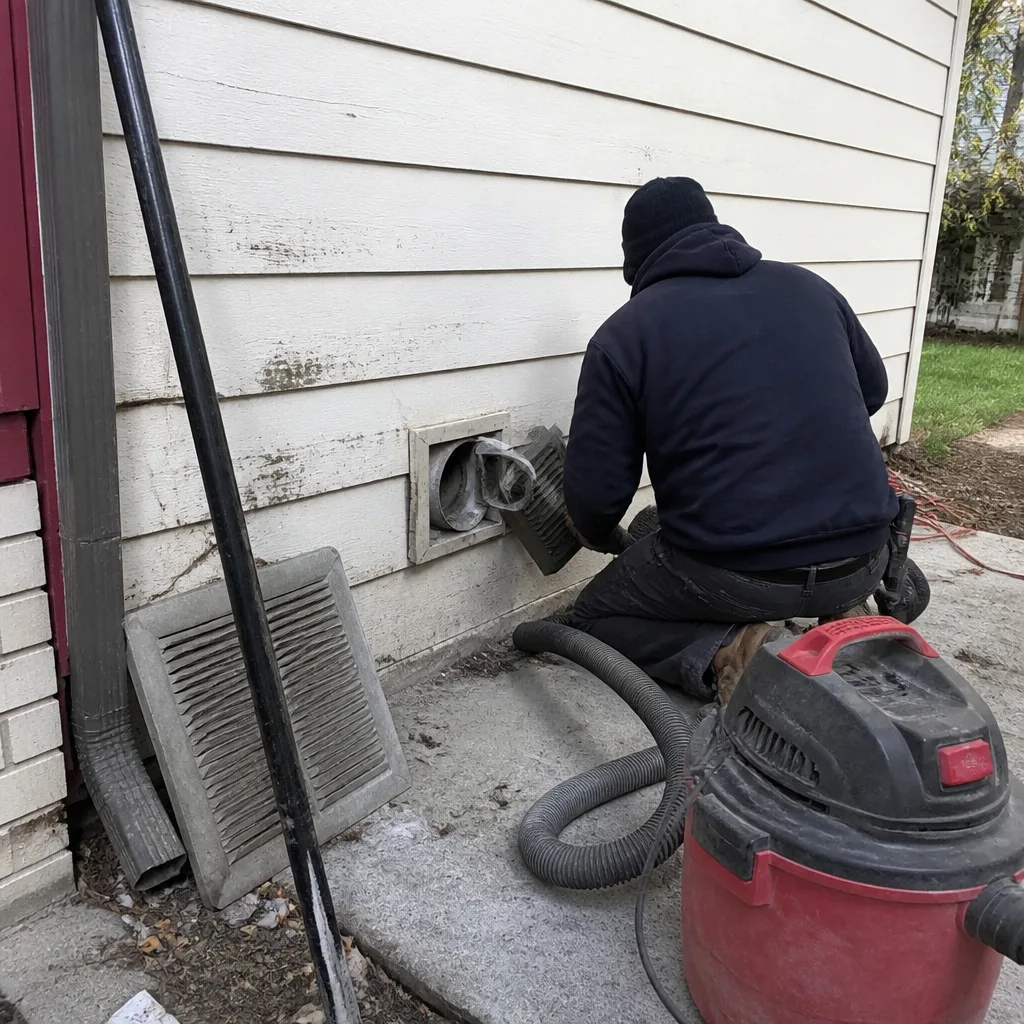 Before
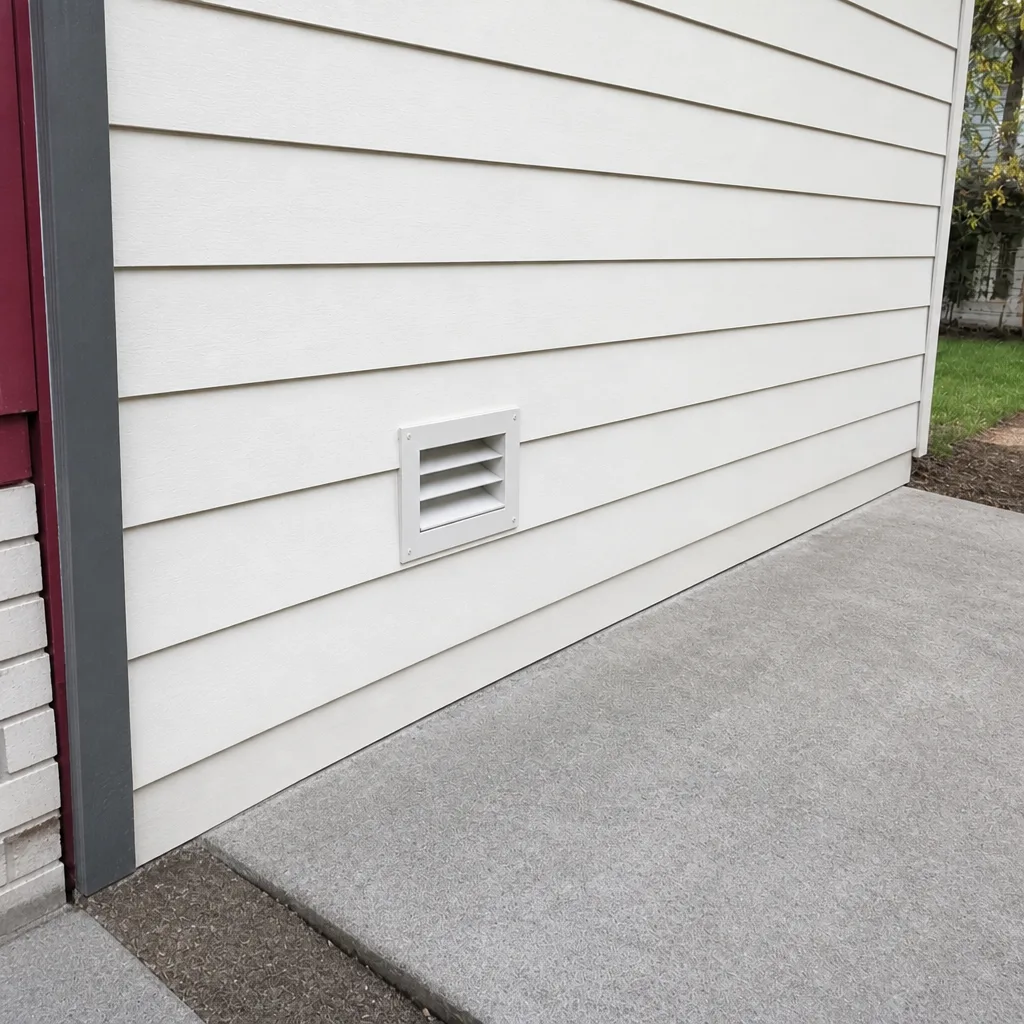 After
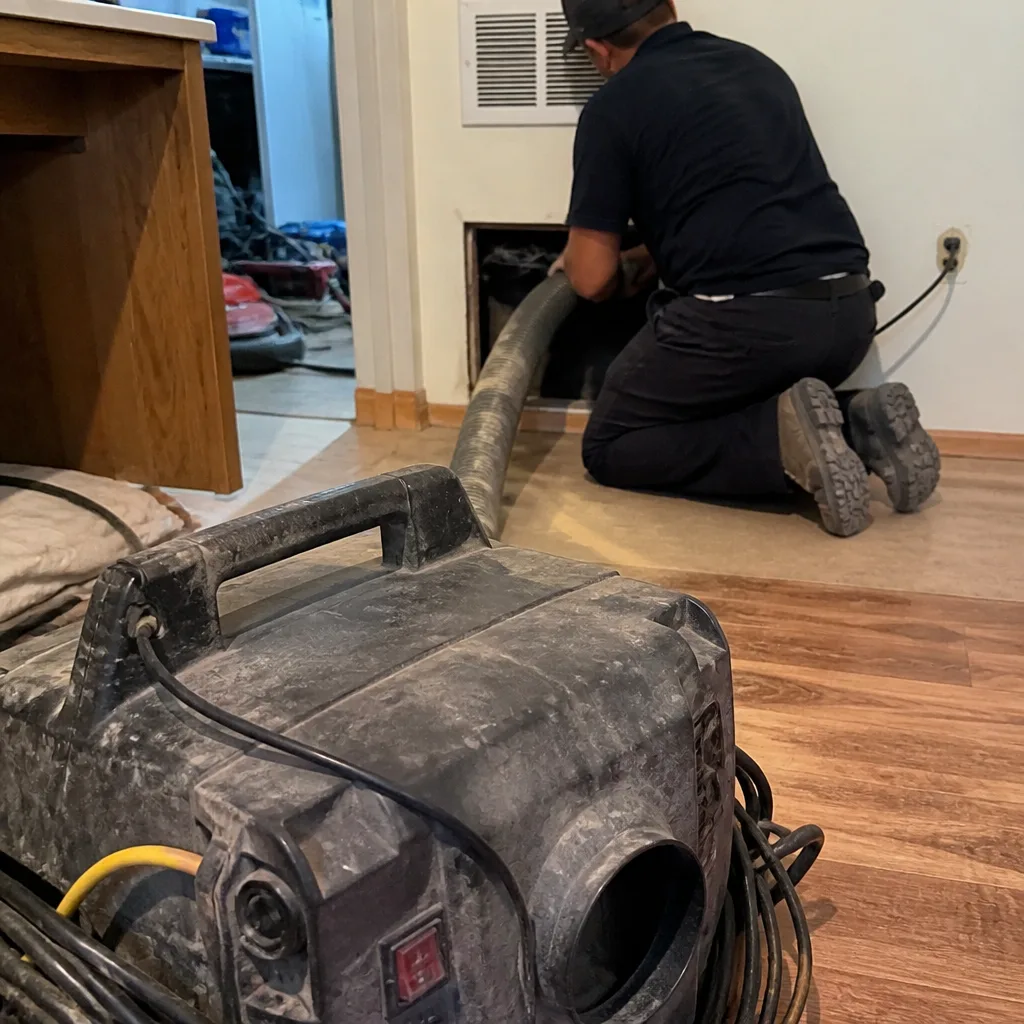 Before
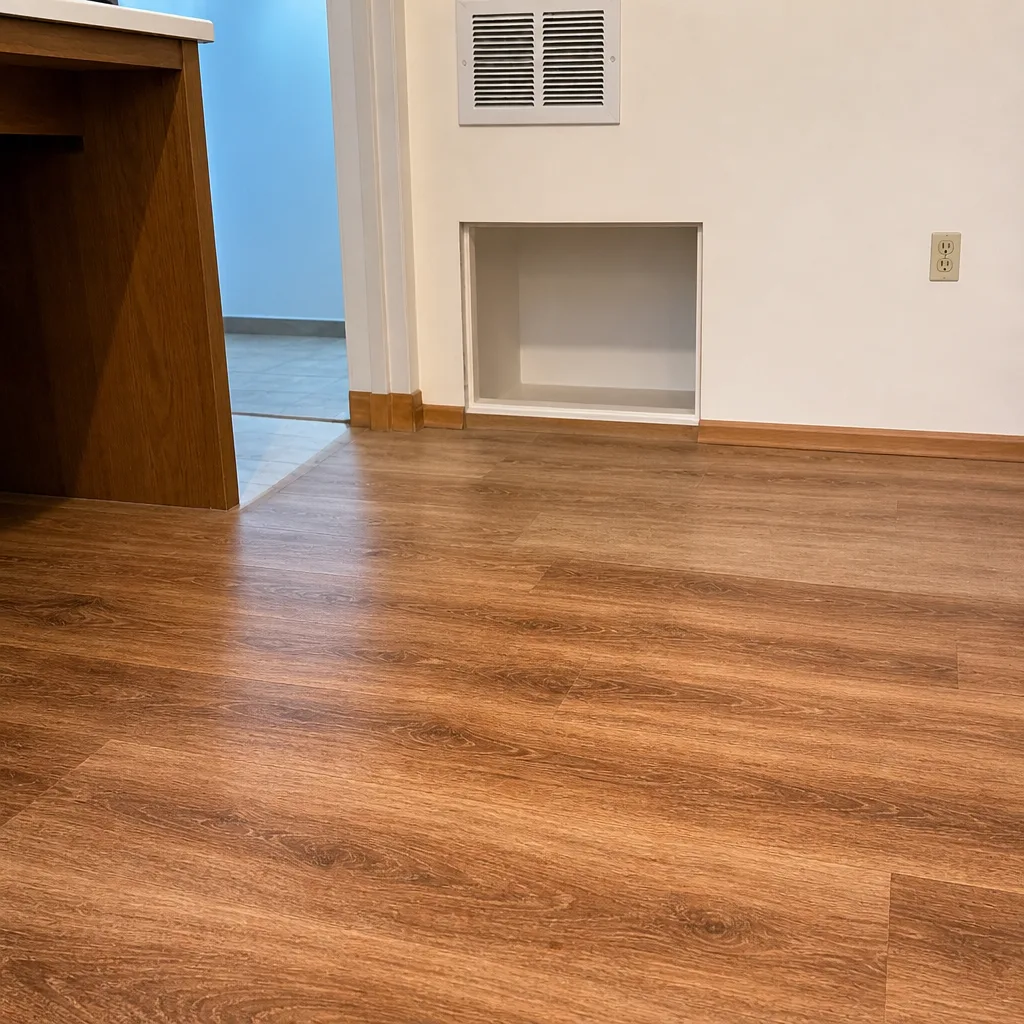 After
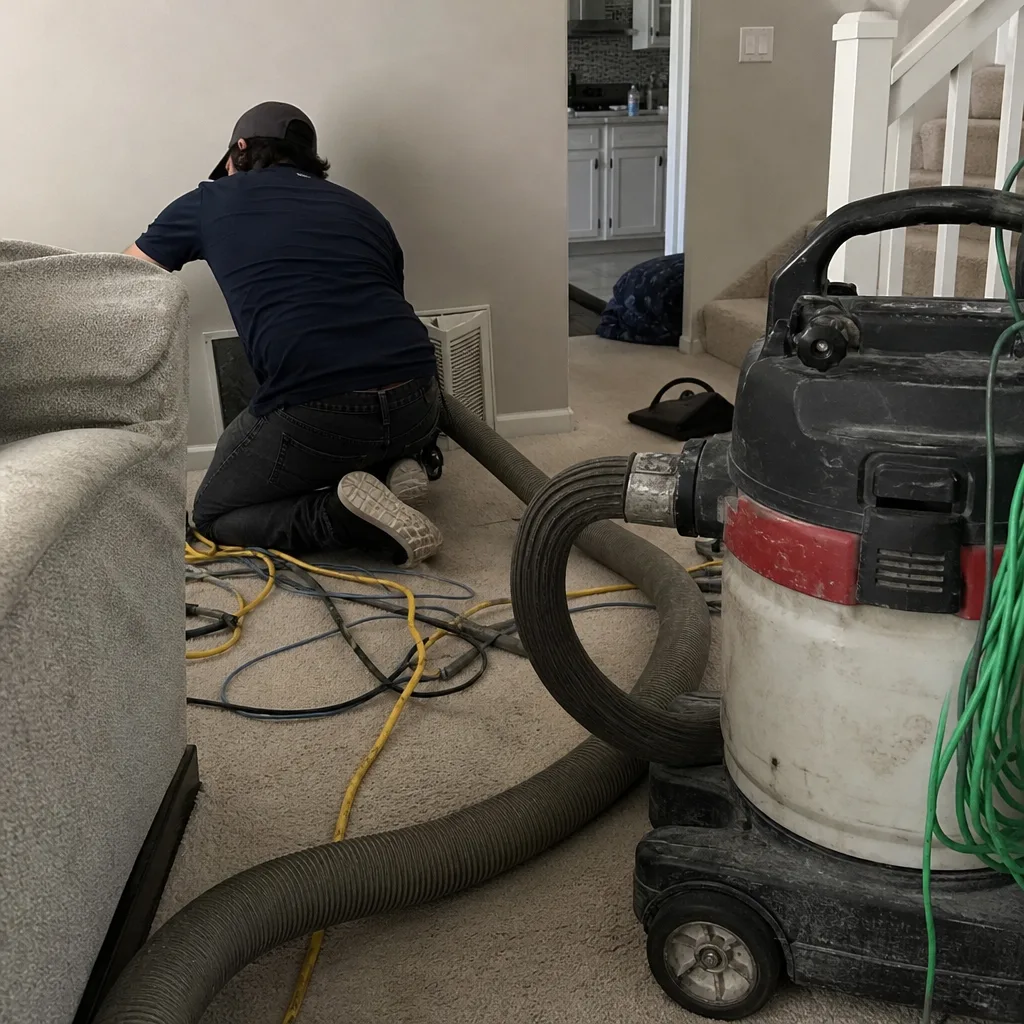 Before
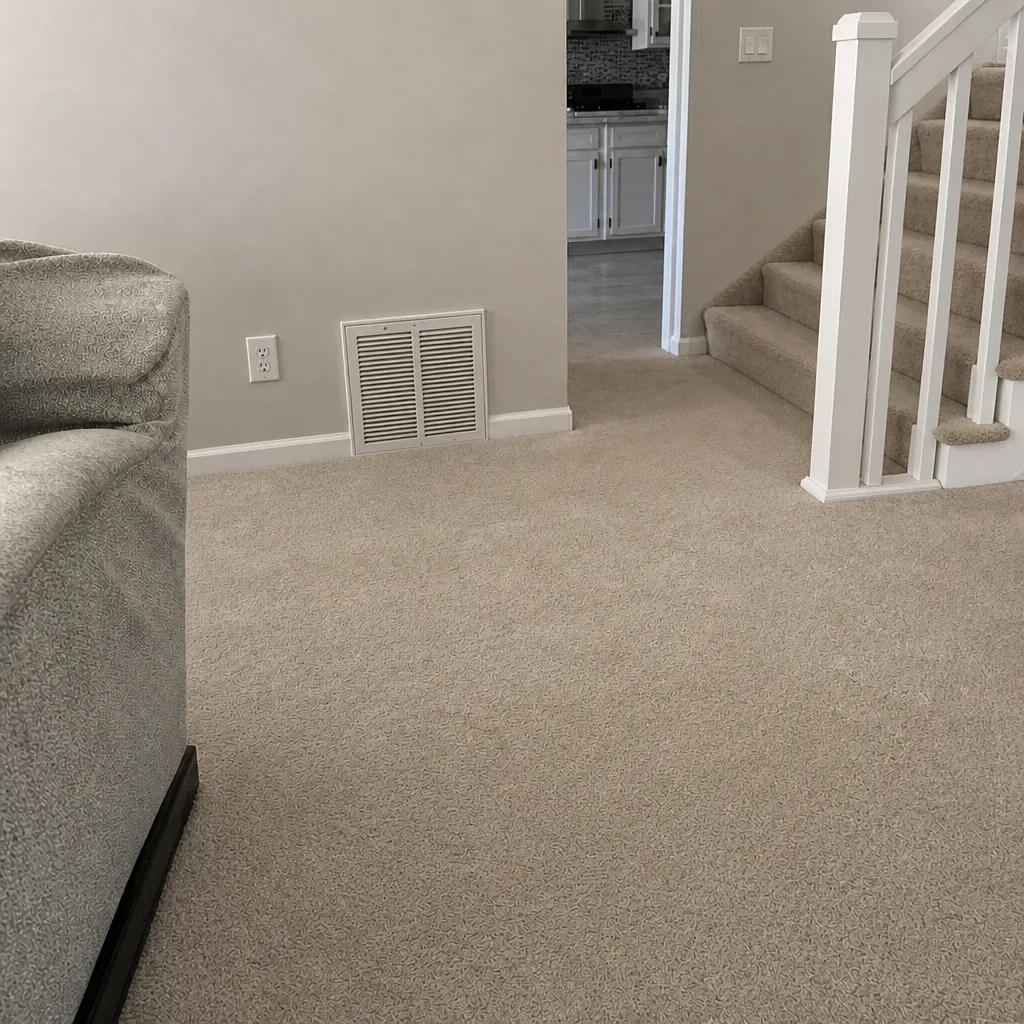 After
When to Call a Professional
Most homeowners can wipe a register face and change a filter themselves. The line where duct cleaning stops being a DIY project is clear: anything involving the interior of the ductwork, the air handler, the coil, or the drain pan belongs to a trained professional with containment equipment. Call us when you’re smelling musty odors when the heat or AC kicks on, when a furnace or AC replacement is on the schedule, when you’ve finished a renovation and there’s visible drywall dust on the register faces, or when the last cleaning came without any documentation. Also call if a home inspection noted “duct cleaning recommended” because the inspector saw debris in the plenum; that’s a cue, not a guess. Electrical or gas work on the air handler side is a genuine safety concern, and only a trained technician should open those cabinets. That same standard applies to dryer vent cleaning: lint buildup is a fire hazard, and a partially blocked vent isn’t something to tackle with a shop-vac. Thornton Air Duct Cleaning offers free estimates in Thornton, and you can reach us at (866) 947-8149. We answer 24/7. Fast dispatch from 7am to 7pm, Sunday through Friday.
Frequently Asked Questions
A full-system air duct cleaning for a typical single-family home in Thornton typically runs $450 to $750, and bundling with repair, sealing, or sanitizing pushes the range to roughly $550 to $1,000. Those are estimates for a scope that includes returns, air handler, coil, and drain pan, not just accessible registers. Call (866) 947-8149 for an exact quote based on your house. Estimates are free.
Most Thornton homes need a full cleaning every two to three years, tighter than the national three-to-five-year guideline. The dry air builds static charge inside the ducts, long heating seasons bake dust onto interior surfaces, and spring wind events push a large volume of fine grit through return vents. If you have pets or have just finished a renovation, shorten that interval by a year.
Source-removal cleaning uses negative pressure and HEPA capture to physically dislodge and contain contaminants, which is the NADCA standard. Blow-and-go service pushes dust out of the ducts with a blower and no containment, which redistributes contamination into your living space instead of removing it. When you compare quotes, ask which method the contractor is using.
Start with a pre-inspection. If the report shows disconnected joints, torn flex duct, or gaps at the plenum, repair and sealing should happen with or before cleaning, because cleaning a leaky system just recontaminates the ducts. If the system is sound and the only finding is dust, a standalone cleaning is the right scope. Air duct cleaning and dryer vent cleaning are separate services and both matter, but they answer different problems.
Cheap quotes usually reflect a smaller scope: registers only, no containment, no air handler, no post-inspection. Sometimes they’re a door-opener price that rises once the tech is on-site. A legitimate full-system job with inspection and verification can’t be sold at that price and still be a real job. If the number looks too low for Thornton, ask what’s excluded.
You get a pre-inspection report with photographs of the duct interiors and a post-inspection report showing the same access points after cleaning, both reviewed with you on-site before the invoice. Some companies email a single register photo after the visit and call that proof. Ask to see the comparison before the crew packs up.
The Bottom Line
Air duct cleaning in Thornton shouldn’t be a one-step transaction. It’s a diagnosis followed by a scope-specific job: inspect, contain, clean, verify, and where the findings call for it, repair, seal, or sanitize. The climate here compresses the interval between cleanings, so the case for doing it right the first time is stronger than the national averages suggest. If you’re comparing quotes, ask three questions: what’s the scope, is there containment, and will I see before-and-after photos of the interior. If a contractor answers all three clearly, you’re already doing better than most. If you want those answers from a team running Rotobrush, Nikro, and Abatement Technologies equipment, call Thornton Air Duct Cleaning at (866) 947-8149 for a free estimate. For a deeper look at the individual services, see our pages on Thornton Air Duct Cleaning, air duct cleaning, HVAC cleaning, and dryer vent cleaning.
Written by the team at Thornton Air Duct Cleaning.