
Honeywell Air Duct Cleaning in Thornton: A Homeowner’s Guide
A Honeywell whole-home air purifier installed in a duct system that hasn’t been cleaned in six years is filtering debris it should never have encountered – and working harder than it needs to. That’s the part most Thornton homeowners miss. Honeywell’s air quality products are excellent at what they do, but they treat the air moving through your ducts, not the ducts themselves. Cleaning and hardware work together, or they fight each other. This guide explains where Honeywell products fit in your system and what a professional cleaning visit should do to set them up for real performance.
What Does Honeywell Actually Make for Home Air Quality?
Honeywell builds several different air quality devices, and each one targets a different contaminant at a different point in your HVAC system. Understanding the distinctions matters, because the cleaning and maintenance needs are not the same across the product line.
- Media filters – a thick, pleated filter cabinet mounted at the return air drop. It captures particles before air reaches the blower, and it catches far more than a standard 1-inch furnace filter can.
- Electronic air cleaners – charged plates that pull smaller particles out of the airstream. Effective on fine dust and smoke, but they need cleaning, and they sit right where your ducts meet your equipment.
- UV germicidal lights – installed near the evaporator coil or in the supply plenum, these shine ultraviolet light on the coil surface to limit microbial growth on wet components.
- Bypass humidifiers – common in Thornton’s dry climate, these add moisture to the supply air. Great for comfort, but they introduce water into the system, which is worth thinking through.
Each device sits at a specific point in the airflow path, and each one works best when the surfaces around it are clean. A media filter downstream of dirty return ducts is like a good umbrella in a windstorm: the idea is sound, but the load is wrong. Our technicians have up to 14 years of experience, and the pattern they see most often in Thornton is hardware that’s doing its best while the ductwork upstream is quietly undermining it.
Why Should Professional Duct Cleaning Come Before New Honeywell Hardware?
Professional duct cleaning should precede any new Honeywell air quality installation because dirty ducts shorten the life of the devices you’re paying for. When we install a media filter or electronic air cleaner into a contaminated system, that hardware absorbs a load it wasn’t designed to carry. Here’s what happens to specific components:
- Media filters clog early. Heavy dust and construction debris in the return ducts pack the filter pleats fast, forcing more frequent replacements and more strain on the blower.
- Electronic air cleaner cells foul. Fine particulate and grease film coat the charged plates, reducing capture efficiency and requiring repeated hand cleaning of the cells.
- UV lamps lose effectiveness. Biofilm and dust buildup on the lamp sleeve blocks the light from reaching the coil surface where it’s supposed to work.
- Humidifiers get contaminated. A bypass humidifier pulling from debris-laden supply air can distribute moisture across dust that then becomes a growth medium.
The practical sequence in a Thornton home is straightforward: clean the system first, then evaluate or install the hardware. That order gives you accurate airflows, clean surfaces for mounting, and a baseline you can actually maintain. If you’d rather not wrestle with the sequence yourself, call (866) 947-8149 and we’ll walk through it with you.
Does a Honeywell Bypass Humidifier Cause Problems in Dirty Ducts?
A Honeywell bypass humidifier in a home with dirty ductwork can accelerate biological growth, because it adds moisture to surfaces that already carry dust, pollen, and organic debris. Thornton’s dry air makes humidifiers a sensible comfort choice, and most homeowners we talk to wouldn’t give theirs up. The issue is that water plus organic dust in a dark, warm duct is the classic recipe for mold and mildew. When a humidifier is running half the year and the supply ducts haven’t been cleaned, the dust film on duct walls gets repeatedly dampened and dried. That cycle is enough to support microbial growth, and once it takes hold, every airstream through the system carries spores into living spaces.
What helps is keeping the humidifier’s water panel changed on schedule, checking the bypass ductwork for moisture, and making sure the ducts feeding and receiving that moisture are clean before the heating season arrives. Sanitizing after cleaning is the step that resets the system. We use Guardsman-grade cleaning and protection products during that sanitizing process, and proper containment matters: we rely on Abatement Technologies equipment to hold negative air pressure so contaminants are captured rather than redistributed through the home. If your humidifier has run for several seasons against dirty ducts, that’s a good moment to have the system inspected. Our air duct cleaning service covers that reset in a single visit.
How Do Honeywell Products and Duct Repair Work Together?
Honeywell air quality products perform at their rated efficiency only when the duct system they serve is sealed and intact. Leaky joints and disconnected runs let unfiltered air bypass the filter entirely, which means your media filter or electronic air cleaner is treating a fraction of the air it was sized for. In a Thornton home with older flex duct or sagging hard pipe, this shows up as higher energy bills, uneven room temperatures, and a filter that looks clean while the house is dusty.
That’s why we treat cleaning as step one and repair as the finish line. Clean ducts remove the contamination; sealed ducts keep clean air where it belongs. Our HVAC cleaning covers the equipment side of the system, and duct repair and sealing address the envelope around it. When all three pieces are done together, your Honeywell hardware finally operates on the air volume it was designed for.
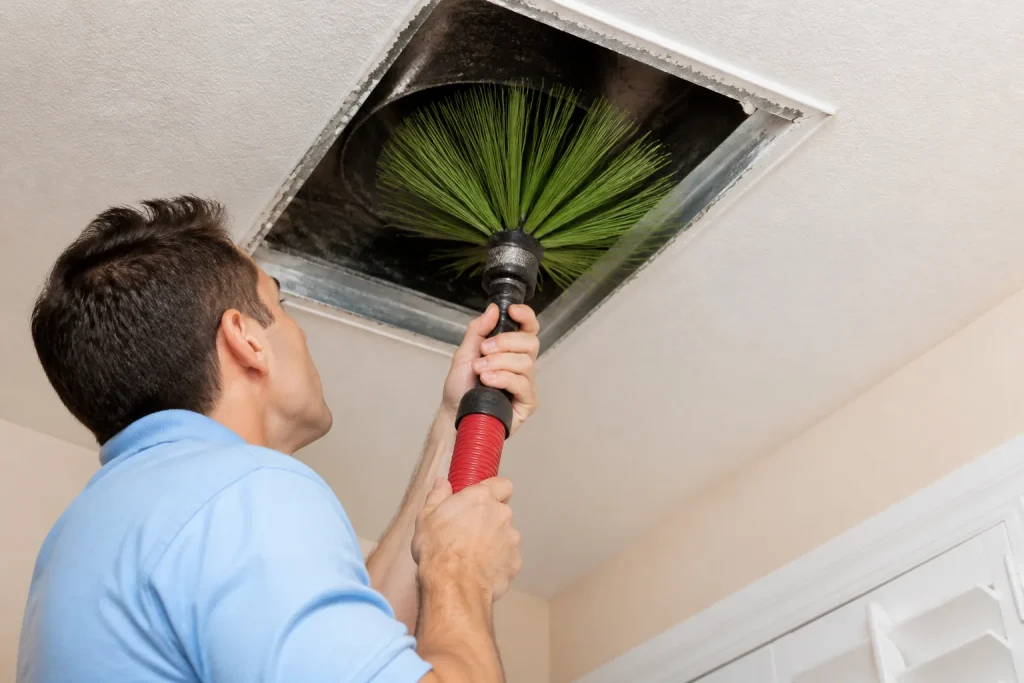
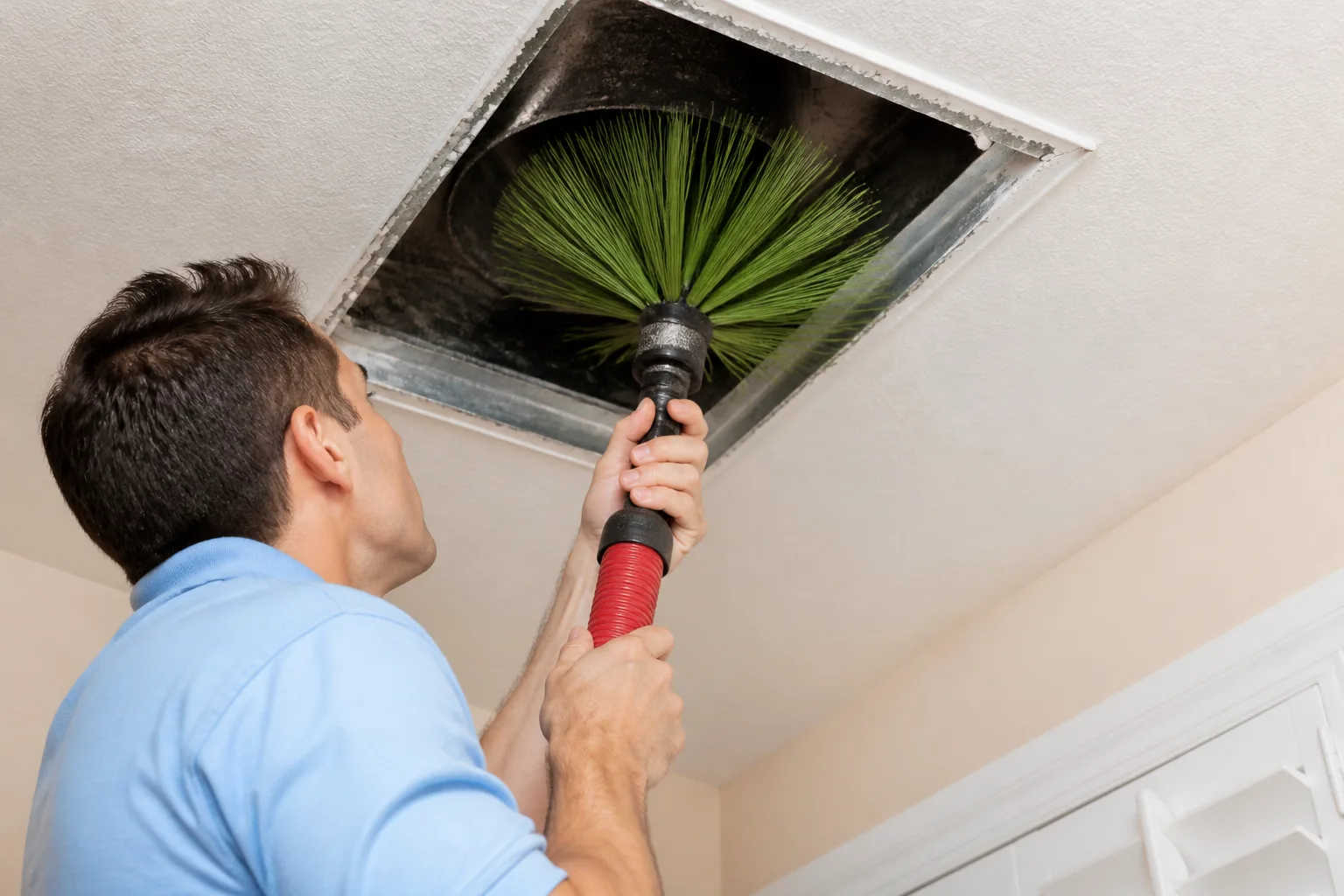
We work with a full range of professional equipment, including Rotobrush and Nikro systems, the same tools specified by certified HVAC and IAQ contractors. The benefit isn’t the label on the machine; it’s the contact pressure and agitation that consumer-grade equipment can’t reach. A shop-vac and a brush on a stick isn’t cleaning, it’s a hopeful gesture. If you’re installing new Honeywell hardware and want the ducts ready for it, we can quote that as a package rather than separate visits.
What Should You Tell Your Technician About Honeywell Electronic Air Cleaning Equipment?
Tell your technician the make and model of every Honeywell device in the system before work begins, because electronic air cleaning equipment changes the access points and the cleaning sequence. Here’s why it matters in practice:
- Electronic air cleaner cells need to come out first. The cells should be removed and set aside before any negative-air cleaning begins, so no loosened debris settles into the plates.
- Access cut points shift. The housing of an electronic air cleaner occupies a section of the return that might otherwise be a natural entry point, so the technician plans alternate access.
- UV lamps need to be off and covered. Lamps must be powered down and their sleeves protected before wet cleaning occurs near the coil.
- Humidifier bypass needs isolating. A bypass humidifier should be valved off or sealed so cleaning debris doesn’t enter the water panel.
In our experience, the fastest way to avoid problems is to point at each device and say what it is. A clear walkthrough before the hoses come out saves a return visit. Your dryer vent cleaning schedule is also worth checking while the technician is on site, since lint buildup is a separate fire risk that duct work doesn’t address.
What Does a Realistic Annual IAQ Timeline Look Like in Thornton?
A realistic annual IAQ schedule in a Thornton home ties Honeywell filter changes to professional duct inspection, so the hardware and the ductwork stay in step. Here’s a timeline that works for most homes:
- Spring: Replace the Honeywell media filter, clean electronic air cleaner cells if installed, and check the humidifier water panel. Consider a professional duct inspection if the last cleaning was more than three years ago.
- Early summer: Confirm the UV lamp is within its rated life and the sleeve is clean. Take a look at the coil through the access panel.
- Fall: Replace the media filter again, service the humidifier before heating season, and schedule professional duct cleaning if the home has had renovation dust or pet activity.
- Winter: Check for musty odors when the system starts, and listen for airflow changes at registers.
This is a general pattern, not a prescription for every home. A property with heavy shedding pets or recent construction may need inspection more often. In our experience, the homes that stay clean are the ones that replace filters on a calendar, not on a feeling.
When to Call a Pro
Call a professional if you notice musty odors when the HVAC runs, visible dust on registers soon after cleaning, or a filter that loads up in weeks instead of months. Those are signs the system needs more than a new filter.
The Bottom Line
Honeywell makes solid air quality products, and they will not fix a dirty duct system any more than a good vacuum will clean under the bed you never move. The order of operations matters: clean the ducts, seal the leaks, sanitize, then let your media filter, electronic air cleaner, and UV lamp do the job they were designed for. Our technicians have up to 14 years of experience, and we use professional-grade Rotobrush and Nikro equipment alongside Abatement Technologies containment so the work is real, not surface-level. If you’re in Thornton and need help, Thornton Air Duct Cleaning offers free estimates and one flat price per system agreed before work starts, with before-and-after photos of your own ducts. Call (866) 947-8149.
Frequently Asked Questions
Yes. Honeywell air purifiers and media filters treat the air moving through the system, but they don’t clean the interior of the ducts. In fact, a purifier installed on a contaminated system works harder and needs servicing sooner. Cleaning the ducts first lets the purifier do its job with less strain.
Honeywell media filters typically need changing every few months depending on the home, while professional duct cleaning is generally considered every three to five years for a typical Thornton home with a well-maintained system. Homes with pets or recent renovation may need duct inspection sooner. Call (866) 947-8149 for an exact quote on your home.
It can shorten its service life. Dirty ducts clog media filters early, foul electronic air cleaner cells, coat UV lamp sleeves, and contaminate humidifier water panels. The device still works, but it works harder and requires more maintenance than if the ducts had been clean to begin with.
Cheap quotes often rely on consumer-grade equipment, skip the repair and sealing step, and include no before-and-after documentation. A price that doesn’t include containment, sealing, and a full-system scope is likely cleaning the surface, not the system. We answer 24/7 and give a flat price per system before we start. Call (866) 947-8149 for a free estimate.
Written by the team at Thornton Air Duct Cleaning.
Need Air Duct Cleaning Help?
Call Thornton Air Duct Cleaning - the local pro we connect you with is licensed and insured, with free written estimates in Thornton.
(866) 947-8149